

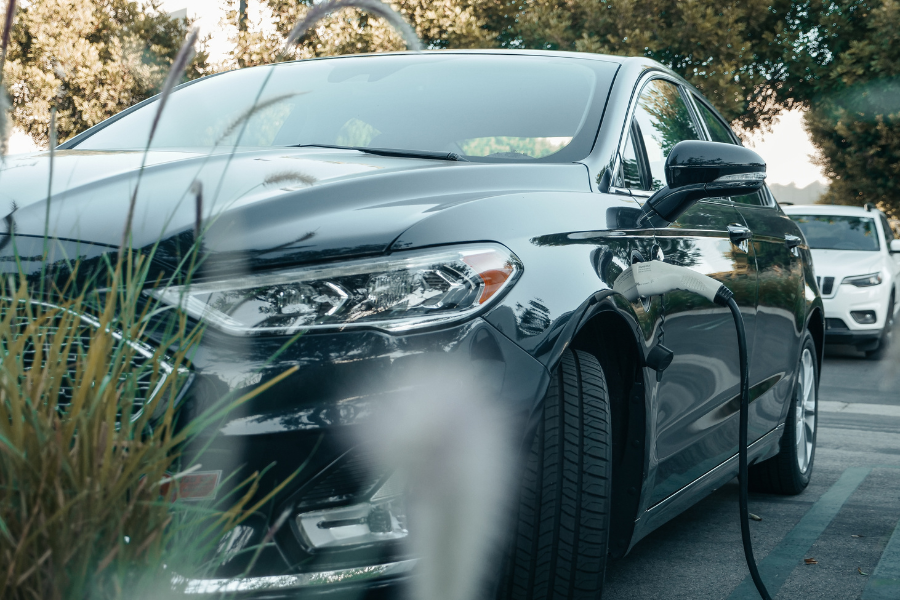
Hybrid vehicles have gained significant traction over the past two decades, becoming a popular choice for environmentally conscious buyers and those looking to save on fuel costs. With their combination of a gasoline engine and an electric motor, hybrids promise excellent fuel efficiency, reduced emissions, and a quieter, smoother driving experience. As the automotive market continues to evolve, many car buyers are now turning to a used hybrid car, to benefit from these advantages at a more affordable price.
But when it comes to purchasing a used hybrid, the question arises: Do hybrids have a good reputation as used cars? Are they reliable, affordable, and worth the investment in the long run? Let’s take a closer look at the pros and cons of buying a used hybrid and whether these vehicles live up to their reputation.
1. Reliability and Longevity
One of the primary considerations when buying any used car is reliability. Buyers often worry about how well a vehicle will hold up over time, especially when it comes to the complex technology found in hybrids. While there is some hesitation, hybrids have generally earned a solid reputation for longevity.
Hybrid cars, particularly those from established brands like Toyota, Honda, and Lexus, are known for their long-lasting performance. For instance, the Toyota Prius, one of the most popular hybrid models, has consistently ranked highly in reliability surveys. Many hybrid owners report that their cars last well beyond the 200,000-mile mark with minimal issues.
That said, hybrids do have some unique components that can experience wear over time, particularly the battery and electric motor. However, hybrid battery technology has improved significantly over the years, and many manufacturers offer warranties of up to 8 years or longer on hybrid batteries, which helps provide peace of mind to used car buyers.
2. Battery Life and Replacement Costs
The battery is the heart of any hybrid vehicle, and it’s a key concern for anyone considering a used hybrid. Unlike traditional internal combustion engines, hybrids rely on large battery packs that store energy for the electric motor. Over time, the battery’s efficiency may decrease, leading to reduced fuel economy and performance.
Fortunately, hybrid batteries have become more reliable and cost-effective over the years. Many manufacturers have made significant advancements in battery technology, and many modern hybrid batteries last much longer than their older counterparts. However, replacing a hybrid battery can be expensive, often costing several thousand dollars depending on the make and model of the car.
For used car buyers, it’s crucial to know the age and condition of the battery, as well as whether it has been replaced or serviced. Some hybrid owners have reported that their batteries still perform well after many years, but others have had to replace them earlier than expected. It’s wise to check for a remaining warranty on the battery or consider purchasing an extended warranty when buying a used hybrid.
3. Fuel Economy and Cost Savings
One of the main draws of hybrids is their impressive fuel efficiency, and this is something that generally holds true for used models as well. With a combination of a gas engine and electric motor, hybrids are designed to excel in city driving and stop-and-go traffic, offering substantial fuel savings over traditional gas-powered vehicles.
Many used hybrids continue to deliver excellent fuel economy. For instance, a 2015 Toyota Prius can still achieve an impressive 50 mpg, even with higher mileage. When compared to traditional sedans or SUVs, the fuel savings alone can make a used hybrid a smart financial choice for drivers looking to cut down on gas expenses.
Additionally, since fuel prices fluctuate, owning a hybrid offers protection against rising fuel costs, making them an appealing option for long-term savings.
4. Maintenance Costs and Repair Considerations
In general, hybrid vehicles have lower maintenance costs compared to traditional vehicles. The hybrid system reduces the strain on the engine since the electric motor helps the gasoline engine perform less frequently. This can result in fewer oil changes, fewer brake replacements (thanks to regenerative braking), and a generally longer lifespan for the vehicle’s powertrain.
However, hybrids are not entirely free from maintenance issues. While they do have fewer moving parts than traditional cars, they do require specialized knowledge and parts when repairs are needed. The complexity of the hybrid system means that routine maintenance and repairs may be more expensive than for non-hybrid vehicles, especially if you go to a dealership or need to replace certain hybrid-specific components.
The good news is that hybrid vehicles typically don’t require repairs as frequently as traditional vehicles. Regular maintenance like brake servicing, tire rotations, and fluid changes should keep the car running smoothly, but prospective buyers should be prepared for higher repair bills if anything does go wrong.
5. Depreciation and Resale Value
While hybrid cars tend to retain their value better than some other types of used cars, they do still experience depreciation. The rate of depreciation depends largely on the make and model of the car, as well as market demand for hybrids in the used car sector.
One factor to keep in mind is that hybrid vehicles often depreciate faster in the first few years compared to their gasoline counterparts, but they can still retain a strong resale value after five or six years. This is especially true for popular models like the Toyota Prius or Honda Insight, which have a strong reputation for reliability and fuel efficiency.
For buyers, purchasing a used hybrid can offer a good balance of lower depreciation costs and better fuel economy. However, prospective sellers may face challenges when trying to sell older hybrid models, especially if the car is nearing the end of its hybrid battery warranty.
6. Availability of Models and Options
When it comes to variety, hybrid cars are widely available in many popular categories. Whether you’re looking for a compact car, sedan, SUV, or even a luxury hybrid, there are options to suit your needs. Models like the Toyota Prius, Honda Insight, Ford Fusion Hybrid, and Lexus RX Hybrid are widely available on the used car market.
This wide selection of used hybrid vehicles means that buyers can find a hybrid that fits their budget and preferences. However, some hybrid models may have limited availability in certain areas, and older hybrids may be harder to find.
Conclusion: Are Hybrids a Good Reputation as Used Cars?
In conclusion, hybrids have developed a good reputation as used cars, especially in terms of reliability, fuel efficiency, and cost savings. They are generally seen as a smart choice for buyers who want to save on fuel, enjoy a lower carbon footprint, and get a car that will last for many years. That said, potential buyers should be mindful of hybrid-specific issues like battery life, maintenance costs, and repair considerations.
If you’re looking for a used car that’s environmentally friendly, efficient, and reliable, a hybrid could be a great choice—but always do your homework. Be sure to check the vehicle’s history, the condition of the battery, and the overall service records to ensure that you’re making a sound investment. With the right research and care, a used hybrid can be a great option that continues to deliver benefits for many years to come.
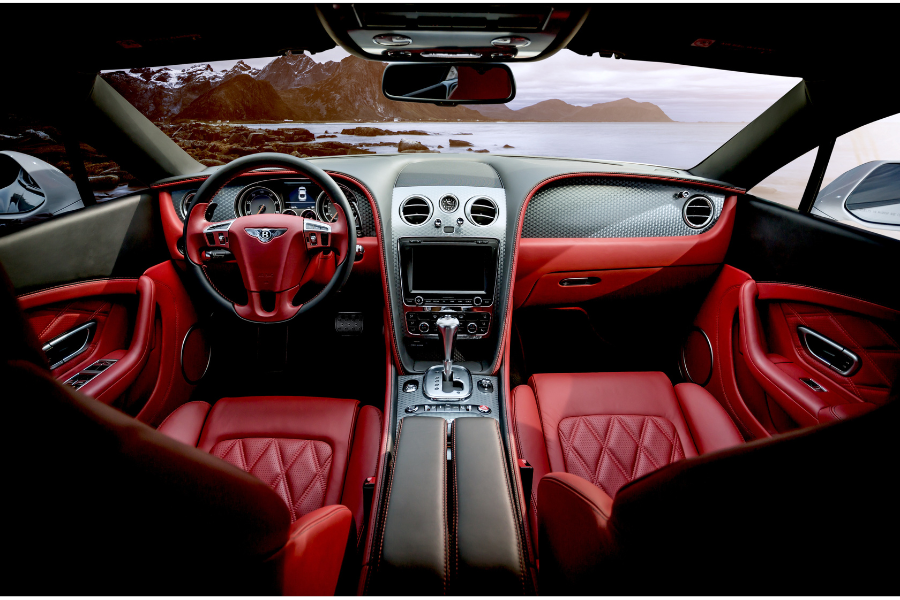
The race toward autonomous vehicles (AVs) has been one of the most exciting technological advancements of the past decade. Self-driving cars have gone from a distant concept to a rapidly advancing reality, with multiple companies and startups racing to build smarter, safer, and more efficient autonomous systems. In 2025, we can expect these vehicles to be smarter, safer, and more integrated into everyday life than ever before. But what exactly will the autonomous car technology landscape look like in just a few short years?
1. Increased Integration of AI and Machine Learning
At the core of autonomous vehicle technology is artificial intelligence (AI) and machine learning. In 2025, these technologies will be far more advanced, allowing cars to make decisions with near-human precision. Through continuous data collection, cars will be able to predict and respond to complex driving scenarios. The AI systems in AVs will become better at interpreting nuanced data, including changes in weather conditions, unpredictable human behavior, and real-time traffic patterns.
Machine learning algorithms will continue to evolve to reduce mistakes and optimize driving decisions in real-time. While today’s self-driving cars can navigate basic road conditions, the 2025 AVs will be much more adept at handling edge cases—such as merging onto highways during heavy traffic or dealing with construction zones. These cars will have the ability to “learn” from their mistakes, constantly improving their driving abilities.
2. Enhanced Safety Features
Safety remains a top priority for autonomous vehicles. In 2025, expect self-driving cars to integrate an even broader range of safety features. Advanced sensors, like LIDAR (Light Detection and Ranging), cameras, and radar, will work in tandem to create a comprehensive 360-degree view of the vehicle’s surroundings. These systems will be even more precise, capable of detecting pedestrians, cyclists, and other vehicles at a greater range and with higher accuracy.
Additionally, autonomous cars will likely incorporate emergency response systems capable of taking over the wheel when a human driver fails to act in time. For example, if a person is in the car but unresponsive due to a medical emergency, the car could automatically pull over and contact emergency services. The combination of predictive algorithms and redundant systems will make AVs far safer than human-driven cars, significantly reducing the risks associated with traffic accidents.
3. Vehicle-to-Vehicle (V2V) and Vehicle-to-Infrastructure (V2I) Communication
One of the most exciting developments expected in 2025 is the wide-scale deployment of Vehicle-to-Vehicle (V2V) and Vehicle-to-Infrastructure (V2I) communication. These technologies will allow autonomous vehicles to communicate directly with each other, as well as with traffic lights, road signs, and even nearby buildings. V2V communication will enable cars to exchange important data such as speed, location, and intended routes. This will allow vehicles to anticipate each other’s actions, reduce accidents, and improve traffic flow.
For instance, imagine a self-driving car approaching an intersection. By receiving data from other vehicles and traffic signals, the car could “know” if the light is about to turn red or if another vehicle is speeding toward the intersection. This type of real-time information exchange will help optimize road safety and efficiency, potentially reducing traffic congestion and fuel consumption.
4. Regulatory Developments and Ethical Considerations
As autonomous cars become more prevalent, governments around the world will need to update road laws and safety regulations to account for new technologies. In 2025, it’s expected that regulations will be clearer and more standardized across countries, allowing for smoother integration of self-driving vehicles into the global transportation network.
This will include protocols for accident liability, insurance policies, data privacy laws, and new driver training. Ethical considerations will also be at the forefront of discussions. What happens when a self-driving car faces a moral dilemma, such as deciding whom to harm in the event of an unavoidable crash? How will AVs be programmed to make life-and-death decisions? These questions will likely be explored and addressed as the technology matures, and 2025 will likely see progress in formulating solutions.
5. A Shift Toward Autonomous Ride-Sharing Services
In 2025, it’s likely that autonomous vehicles will be a common feature in the ride-sharing industry. Companies like Uber and Lyft, along with new startups focused on autonomous ride-hailing services, are aiming to provide a seamless, on-demand transportation experience without the need for human drivers.
Imagine a world where you summon a self driving car to your location via an app, hop in, and are whisked away to your destination—without any human intervention. These services will drastically reduce the cost of transportation, and their adoption could also lead to fewer cars on the road, as people choose to rely on shared autonomous vehicles rather than owning personal cars. This could reduce congestion, lower pollution levels, and make urban living more sustainable.
6. Integration with Smart Cities
The relationship between autonomous cars and smart cities will become increasingly interconnected by 2025. A smart city is one that uses digital technology to enhance performance, well-being, and reduce costs & resource consumption across the city. In these environments, autonomous cars will be part of a larger ecosystem where everything from streetlights to public transportation is interconnected.
Autonomous vehicles will work in synergy with the city’s infrastructure, adjusting routes based on real-time traffic data, road conditions, and environmental factors. In a fully integrated smart city, AVs could communicate with traffic management systems to optimize traffic flow, reduce emissions, and ensure safety.
7. Fully Autonomous, No-Driver Vehicles
While today’s self-driving cars still require a human driver to monitor and take control in certain situations, but this year, we may see fully autonomous vehicles that do not have a steering wheel or pedals. Companies like Waymo and Tesla are already testing vehicles with no steering wheels, and it’s likely that fully driverless cars will be available to the public in 2025.
These cars will offer an entirely new experience for passengers, with interiors designed for comfort and convenience. Expect to see cabin layouts that focus on relaxation, with features like reclining seats, entertainment options, and even the ability to conduct business meetings while traveling.
Conclusion
The future of autonomous car technology is both exciting and full of possibilities. In 2025, we will likely see cars that are safer, smarter, and more interconnected than ever before. From the continued evolution of AI to the widespread integration of self-driving vehicles in shared mobility services, the next few years will be transformative for transportation. With the promise of improved safety, reduced congestion, and more sustainable travel, autonomous cars are on track to revolutionize the way we live, work, and travel in the near future.

When you think about purchasing a car, the idea of buying a nearly new or brand-new vehicle often comes to mind. However, a decade-old car can offer excellent value for your money, especially when it comes to reliability, affordability, and features. In 2025, cars from 2015 will be 10 years old, making them a sweet spot for car buyers looking for something relatively modern but at a much lower price than a new vehicle.
Here’s a roundup of the best 10-year-old cars to consider buying in 2025, spanning various types—from sedans and SUVs to trucks and hatchbacks. Each of these cars stood out in terms of reliability, performance, and overall quality when they were new, and they’ve only improved with age.
1. Toyota Camry (2015)
Why Buy: The Toyota Camry has long been one of the most dependable cars on the market. Known for its smooth ride, good fuel economy, and exceptional resale value, the 2015 Camry is no exception. In 2025, it will still offer an impressive balance of comfort, reliability, and technology, making it an ideal choice for families or daily commuters.
Key Features:
- 2.5L four-cylinder or 3.5L V6 engine
- Toyota Safety Sense technology
- Spacious interior with user-friendly infotainment system
2. Honda Civic (2015)
Why Buy: The Honda Civic is renowned for its longevity, solid build quality, and excellent fuel efficiency. The 2015 model, available in sedan, coupe, and hatchback variants, offers a great driving experience with a fuel-efficient engine lineup. It also has a reputation for low maintenance costs, making it a fantastic option for first-time buyers or anyone seeking value.
Key Features:
- 1.8L 4-cylinder engine
- Modern interior design
- Excellent fuel economy (up to 41 mpg on the highway)
3. Mazda3 (2015)
Why Buy: If you’re looking for something sporty, fun to drive, and affordable, the Mazda3 should be at the top of your list. The 2015 model offers great handling, a stylish design, and a premium-feeling interior, all wrapped up in a compact package. Mazda’s reputation for reliability and longevity ensures that this car will keep performing for many more years.
Key Features:
- 2.0L or 2.5L four-cylinder engine
- Agile handling and great driving dynamics
- Efficient fuel economy and a comfortable cabin
4. Ford F-150 (2015)
Why Buy: For those who need a reliable, durable truck, the 2015 Ford F-150 is a top pick. This truck brought major updates, including a new aluminum body that drastically reduced its weight while maintaining strength. The 2015 F-150 combines impressive towing and payload capacity with a surprisingly smooth ride for a full-size truck.
Key Features:
- Multiple engine options, including a fuel-efficient 2.7L EcoBoost V6
- Best-in-class towing capabilities
- Spacious interior with modern tech
5. Subaru Outback (2015)
Why Buy: The Subaru Outback is perfect for buyers who need a car that can handle rough weather and challenging terrain while still being comfortable and efficient for daily use. The 2015 Outback delivers all-wheel drive as standard and boasts high ground clearance, making it ideal for light off-roading or winter driving.
Key Features:
- Standard all-wheel drive
- Spacious cabin with high-quality materials
- Excellent safety ratings and features
6. Chevrolet Silverado 1500 (2015)
Why Buy: If you’re in the market for a pickup truck but want something that combines power, comfort, and technology, the 2015 Chevrolet Silverado 1500 is an excellent choice. It offers a wide variety of trims and engine options, and its refined interior features a smooth, quiet ride, making it equally suitable for work or leisure.
Key Features:
- 5.3L V8 engine for strong towing and hauling capabilities
- Comfortable, tech-packed cabin
- Impressive resale value
7. Hyundai Sonata (2015)
Why Buy: The Hyundai Sonata from 2015 is a midsize sedan that punches well above its weight. Offering a long list of standard features, a comfortable ride, and solid reliability, the Sonata remains one of the best affordable sedans in the market. It’s also known for its modern design and roomy cabin.
Key Features:
- 2.4L four-cylinder engine
- Standard features like Bluetooth, touchscreen infotainment, and rearview camera
- Competitive warranty coverage (if still in effect)
8. Jeep Grand Cherokee (2015)
Why Buy: The 2015 Jeep Grand Cherokee is a great option for those who want a luxury SUV with off-road capabilities. Its robust four-wheel-drive system, upscale interior, and strong engine options make it versatile for various driving conditions, including both city commutes and rugged terrain.
Key Features:
- V6 and V8 engine options
- Luxurious interior with available leather and tech upgrades
- Excellent off-road capability
9. BMW 3 Series (2015)
Why Buy: For buyers seeking a luxury sedan that combines performance and style, the 2015 BMW 3 Series stands out. With its engaging driving experience, precise handling, and premium interior materials, the 3 Series is a well-rounded vehicle that feels just as enjoyable on winding roads as it does on the highway.
Key Features:
- Turbocharged 2.0L 4-cylinder or 3.0L inline-6 engine
- Stylish, tech-rich interior
- Excellent driving dynamics
10. Toyota RAV4 (2015)
Why Buy: The Toyota RAV4 is one of the most popular compact SUVs for good reason. The 2015 model offers a great balance of reliability, efficiency, and practicality, with plenty of cargo space and a comfortable cabin. It also includes a hybrid variant for buyers seeking better fuel economy.
Key Features:
- 2.5L four-cylinder engine with up to 31 mpg highway
- Spacious interior with user-friendly technology
- Available hybrid version
Why Buy a 10-Year-Old Car?
A 10-year-old car offers the best of both worlds: it’s relatively modern and still has many of the features found in newer models, but it’s also significantly more affordable. With proper care, these cars can run for hundreds of thousands of miles, offering years of reliable service. Plus, 10-year-old cars typically have already gone through the bulk of their depreciation, so you’re not paying a premium for something that will lose value quickly.
When buying a used car, especially one that’s a decade old, it’s crucial to have a pre-purchase inspection done by a trusted mechanic. While these vehicles are generally reliable, it’s important to ensure they’ve been well-maintained.
Final Thoughts
In 2025, the best 10-year-old cars will continue to offer impressive technology, reliability, and driving pleasure. Whether you’re after a practical sedan, a rugged truck, or a sporty hatchback, there’s something on this list for every type of car buyer. These vehicles are a testament to how well-built and durable cars from a decade ago can be, and they still have a lot to offer today.

As 2025 rolls in, many drivers are considering a newer used car to enjoy the latest features without paying the premium for a brand-new vehicle. The 2024 model year represents a sweet spot for used car buyers – the vehicles are still nearly new, often with low mileage, yet come with a lower price tag compared to brand-new cars. Whether you’re looking for a practical family sedan, a sporty coupe, or a rugged SUV, there are plenty of excellent 2024 models to consider. Let’s dive into the best used 2024 model cars to buy in 2025, based on value, reliability, and performance.
1. 2024 Toyota Corolla: A Reliable and Efficient Sedan
If you’re in the market for a compact car that combines efficiency, reliability, and affordability, the 2024 Toyota Corolla is an excellent choice. Known for its longevity and low maintenance costs, the Corolla offers impressive fuel economy, advanced safety features, and a comfortable ride. The 2024 model comes with Toyota’s latest tech, including a touchscreen infotainment system with Apple CarPlay and Android Auto, as well as Toyota Safety Sense 3.0 for enhanced driver assistance.
Why buy it in 2025?
With excellent resale value, the 2024 Toyota Corolla is a great investment. It’s perfect for anyone looking for a no-nonsense, economical car that holds its value well over time.
2. 2024 Honda Civic: Sporty Yet Practical
The Honda Civic has long been a top choice for those who want a car that’s sporty, practical, and offers great fuel efficiency. The 2024 Civic continues this tradition, with its sleek new design, refined interior, and robust technology suite. The car offers a smooth and responsive driving experience, with the option of a turbocharged engine for those who want more power.
Why buy it in 2025?
The 2024 Civic remains one of the most sought-after compact sedans, and for good reason. It provides excellent value for money, with low running costs and strong reliability ratings. Plus, it boasts modern safety features like adaptive cruise control, lane-keeping assist, and collision mitigation.
3. 2024 Mazda CX-5: The Perfect Balance of Style and Utility
For those seeking a used crossover SUV, the 2024 Mazda CX-5 is a standout option. Known for its stylish design, upscale interior, and engaging driving dynamics, the CX-5 provides a premium feel at a competitive price. The 2024 model comes with a refreshed exterior design, advanced infotainment features, and ample cargo space for a compact SUV.
Why buy it in 2025?
The Mazda CX-5 is fun to drive and offers an elegant, well-crafted interior. Plus, its excellent fuel economy and safety ratings make it an ideal choice for families who want a small SUV that doesn’t compromise on performance or style.
4. 2024 Ford F-150: The Reliable Workhorse
If you’re in need of a truck that can handle tough tasks while offering modern tech and comfort, the 2024 Ford F-150 is a great pick. This full-size pickup offers a range of engine options, from a fuel-efficient hybrid to powerful V8 choices. The 2024 model introduces improved towing capabilities and the latest in driver-assistance technology, ensuring that the F-150 remains a top performer in the truck segment.
Why buy it in 2025?
The F-150 is one of the best-selling trucks in the U.S. for good reason – it’s dependable, powerful, and versatile. If you need a used truck that’s tough yet loaded with the latest tech, the 2024 F-150 is a solid choice that will likely retain its value over time.
5. 2024 Kia Telluride: The Family-Friendly SUV
For families needing a spacious three-row SUV, the 2024 Kia Telluride is hard to beat. This midsize SUV boasts a high-end interior, generous seating space, and an impressive list of standard features. The 2024 model continues to offer an upscale cabin with easy-to-use technology, a smooth ride, and strong safety ratings.
Why buy it in 2025?
The Telluride’s blend of space, comfort, and value has made it a favorite among families. It comes with excellent warranty coverage and continues to be one of the most well-rounded SUVs in its class. With the 2024 model, you get the benefit of a nearly new vehicle without paying the steep price of a brand-new one.
6. 2024 Hyundai Kona Electric: A Smart Choice for Eco-Conscious Drivers
If you’re considering going electric, the 2024 Hyundai Kona Electric is an affordable option to explore. This subcompact crossover offers an impressive electric driving range and the latest in tech features. With a solid 258-mile range on a full charge and fast-charging capabilities, the Kona Electric is ideal for daily commutes and longer trips alike.
Why buy it in 2025?
The 2024 Kona Electric provides great value for an electric vehicle, especially when considering its affordability and practicality. It’s a fantastic choice for eco-conscious buyers who want the benefits of an electric car without breaking the bank. With growing incentives for electric vehicle ownership, buying a used Kona Electric can be a smart investment.
7. 2024 BMW 3 Series: A Luxury Sedan with Performance
If you’re looking for a used luxury sedan that offers both performance and sophistication, the 2024 BMW 3 Series should be on your radar. With a sharp design, thrilling driving dynamics, and a refined cabin, the 3 Series delivers the ideal blend of style, technology, and performance. The 2024 model adds even more tech, including a larger touchscreen and a fully digital driver display.
Why buy it in 2025?
The 3 Series continues to be the benchmark for sporty luxury sedans. If you desire a refined and engaging driving experience at a lower price than a brand-new model, the 2024 BMW 3 Series provides the perfect solution.
8. 2024 Subaru Outback: The Adventure-Ready Wagon
For adventure seekers, the 2024 Subaru Outback is one of the best used cars to buy. With standard all-wheel drive, generous ground clearance, and a comfortable interior, the Outback is built for those who love outdoor activities. The 2024 model also comes with updated tech features, a user-friendly infotainment system, and plenty of cargo space for gear.
Why buy it in 2025?
If you want a vehicle that’s versatile enough for both daily commutes and weekend getaways, the Outback delivers. Its rugged capability and high safety ratings make it a reliable choice for anyone who loves to explore.
Final Thoughts: Best Used 2024 Model Cars in 2025
When shopping for a used car in 2025, the 2024 models offer a fantastic balance of the latest features, performance, and depreciation savings. From efficient sedans like the Toyota Corolla to adventure-ready SUVs like the Subaru Outback, there’s a 2024 model for nearly every type of driver. Whether you’re looking for value, style, or performance, these cars will deliver an excellent ownership experience while still having plenty of life left. Keep an eye out for well-maintained, low-mileage 2024 vehicles – they may just be the best deal of 2025!
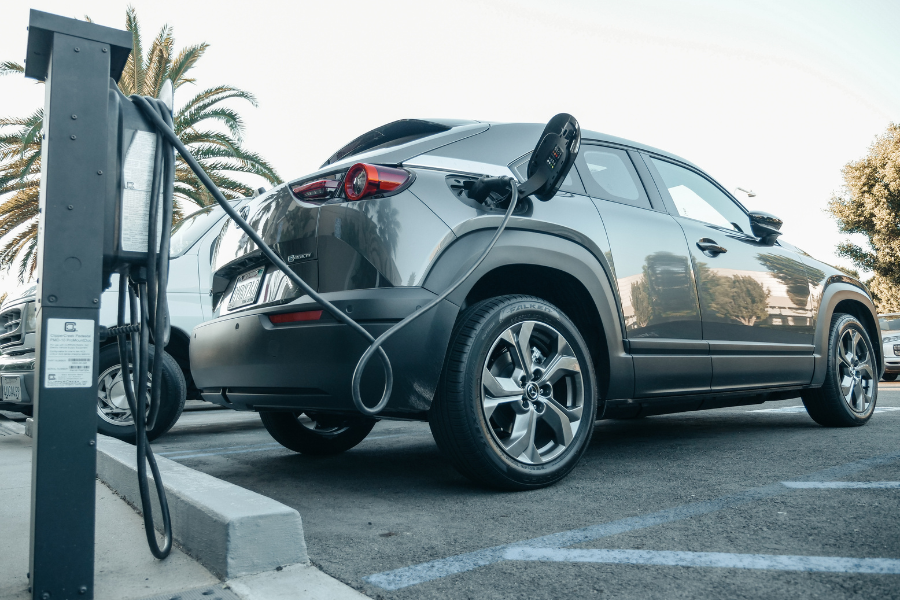
As the automotive world shifts toward greener technologies, electric vehicles (EVs) have been growing in popularity. If you’re in the market for a used car, you may be wondering whether an electric car is a better or worse choice compared to a traditional gas-powered vehicle. While both types of cars have their advantages and disadvantages, it ultimately depends on your needs, lifestyle, and what you value most in a car. Here, we’ll break down the pros and cons of buying a used electric car versus a used gas car.
The Case for Buying a Used Electric Car
Electric cars have become more common and affordable in recent years, and the used EV market is growing. Here are some reasons why you might consider buying a used electric car:
1. Lower Maintenance Costs
One of the major advantages of owning an electric car, whether new or used, is its simplicity. EVs have fewer moving parts compared to traditional internal combustion engine (ICE) vehicles. They don’t require oil changes, and there’s no complex transmission system to worry about. This means that maintenance costs are typically lower for electric cars, even when buying a used one. As long as the battery is in good condition, you’ll likely spend less on repairs.
2. Quiet and Smooth Driving Experience
Electric cars are renowned for their smooth and quiet ride. They have immediate torque, so acceleration is often quicker and more responsive than that of gas-powered cars. Even used electric cars tend to retain this experience, offering a fun and comfortable drive.
3. Environmental Benefits
EVs are eco-friendly since they produce zero tailpipe emissions. Buying a used electric car can be an attractive option for environmentally conscious buyers looking to reduce their carbon footprint. Even if the electricity used to charge the car isn’t entirely clean, the overall emissions are still lower compared to traditional vehicles.
4. Incentives and Tax Credits
Although federal and state incentives are primarily geared toward new electric vehicles, you may still find some tax breaks, rebates, or other financial incentives when purchasing a used EV. Additionally, many regions offer perks like access to carpool lanes, reduced registration fees, or free parking, which can make owning an electric car more appealing.
The Case Against Buying a Used Electric Car
While there are clear advantages, there are some challenges to consider when purchasing a used electric vehicle.
1. Battery Life and Degradation
The biggest concern with used EVs is the condition of the battery. While modern EVs come with warranties for the battery (typically 8 years or around 100,000 miles), a used electric car may have a battery that’s aged and degraded. Over time, battery performance can diminish, reducing the car’s range per charge. Replacing a battery can be costly (often thousands of dollars), so it’s crucial to check the remaining battery life and warranty before purchasing a used electric vehicle.
2. Limited Selection and Availability
Though EVs are becoming more widespread, the used electric car market is still relatively limited compared to the market for a used gas powered vehicle. This could mean fewer options in terms of models, features, and price points. Depending on your location, you might find it challenging to find a used EV that meets your needs.
3. Charging Infrastructure and Range Anxiety
While EVs are much more practical now than they were a few years ago, there are still concerns around range anxiety, especially with older models. Used electric cars, especially older ones, may have a lower range than newer models, making long trips less convenient. Additionally, if you don’t have access to a home charging station, public charging infrastructure may not be as widespread or reliable, particularly in rural or less urbanized areas.
The Case for Buying a Used Gas Car
Gas-powered vehicles, though facing more competition from electric cars, remain the dominant choice for many used car buyers. Here’s why buying a used gas car could be the right choice for you:
1. Lower Initial Purchase Price
Used gas cars tend to be less expensive than their electric counterparts. You can find a variety of models with different features, years, and mileage for a wide range of prices. Whether you’re buying a compact sedan, a larger SUV, or a sporty coupe, the affordability of used gas cars often makes them more accessible.
2. Established Reliability and Availability
Gas cars have been around for over a century, and there’s no shortage of used options. You can easily find information on the reliability of different makes and models, thanks to extensive historical data on gas-powered vehicles. They are also readily available, and you’re more likely to find a used vehicle that fits your exact needs and budget.
3. No Concerns About Battery Life
Unlike electric cars, gas-powered vehicles don’t rely on expensive, aging batteries that degrade over time. While a gas car may require other maintenance such as replacing the alternator, timing belt, or spark plugs, these issues are generally less costly and can be addressed easily by most mechanics. This means you won’t face a high replacement cost for the “battery” (like you would with an EV battery).
4. Convenience and Infrastructure
Refueling a gas car is fast and easy. Gas stations are abundant, and refueling takes just a few minutes. There are no concerns about range anxiety or charging time. If you frequently take long trips or live in an area where charging stations are sparse, a gas car may be more practical and convenient.
The Case Against Buying a Used Gas Car
Even with these benefits, used gas cars come with some downsides that may push you toward an electric option.
1. Higher Maintenance and Repair Costs
Gas cars typically require more maintenance than electric vehicles. Regular oil changes, exhaust system repairs, and transmission work can add up over time. Depending on the car’s age and condition, you may also face costly repairs or the need to replace parts sooner than you would with an EV.
2. Environmental Impact
Gas-powered cars produce harmful emissions that contribute to air pollution and climate change. If reducing your environmental impact is a priority for you, a used gas car may not align with your values. This is especially true as governments and cities around the world are tightening emissions standards and promoting electric vehicle adoption to have fewer emissions.
3. Declining Resale Value
As more consumers make the switch to electric cars, the resale value of gas-powered vehicles may start to decline. With increasing interest in green technologies and stricter emissions regulations, older gas cars may face reduced demand in the coming years.
Conclusion: Which Is the Better Option?
Ultimately, whether a used electric car or a used gas car is better for you depends on your driving habits, priorities, and budget.
- If you’re environmentally conscious, enjoy lower maintenance costs, and can deal with potential battery replacement concerns, a used electric car may be the way to go.
- On the other hand, if you’re looking for affordability, reliability, and greater convenience, a used gas car might better suit your needs.
Before making a decision, carefully assess the battery life of any used EV you’re considering, research available charging stations, and weigh the long-term costs. With the right research and careful consideration, you can make the best choice for your lifestyle, whether you choose an electric or gas-powered vehicle.

Buying a salvage title vehicle can be an appealing option for car buyers looking to save money on a vehicle. While these cars have been previously damaged—sometimes in accidents, floods, or fires—they can still offer great value if you’re willing to invest in repairs and inspections. In the United States, certain states have a reputation for making the salvage title vehicle buying process easier, more transparent, and more affordable. Utah is one of those states, and here’s why it’s a good place to purchase a salvage title vehicle.
1. Clear and Transparent Title Laws
One of the most important factors when purchasing a salvage title vehicle is ensuring you understand the history and condition of the car. Utah has a well-defined system for salvage and rebuilt titles, making it easier for buyers to obtain information about a vehicle’s past. The state maintains detailed records, so prospective buyers can access the vehicle’s title history and ensure the car has been properly inspected and repaired.
In Utah, a “salvage title” is issued when a car has been deemed a total loss by an insurance company due to damage that exceeds a certain percentage of the car’s value—typically around 50%. Once repairs are made, the vehicle can be inspected by the state and issued a “rebuilt title” if it passes inspection. This clear process ensures that buyers are aware of the car’s status and can make an informed decision.
2. Abundant Selection of Salvage Title Vehicles
Utah’s strong vehicle market and high population density mean there is a large number of vehicles with salvage titles available for purchase. Many cars in the state are involved in minor accidents or even cosmetic damage, and after repairs, these vehicles can be listed for resale at a significantly lower price than comparable clean-title cars.
This creates an opportunity for car buyers to find salvage title vehicles in good condition, often at a fraction of the price of a new or clean-title vehicle. Whether you’re looking for a budget-friendly commuter car or a project vehicle to fix up, Utah’s used car market offers a wide selection.
3. Affordable Repair Costs
When buying a salvage title vehicle, the cost of repairs is an important factor to consider. Fortunately, Utah is home to a robust automotive repair industry with competitive prices. Whether you plan to perform the repairs yourself or hire a professional, repair costs in Utah tend to be lower compared to other states. This makes Utah an attractive location for buyers looking to restore a salvage vehicle to roadworthy condition.
Additionally, the availability of parts and experienced mechanics ensures that you won’t have trouble finding the necessary resources to fix up a salvage title vehicle. Many Utah-based shops specialize in rebuilding salvage cars and can help with both major repairs and minor fixes.
4. Strict State Inspections and Standards
Utah’s inspection process for salvage vehicles is rigorous, ensuring that only cars that meet specific safety standards are allowed back on the road. Once a car has been rebuilt from its salvage condition, it must pass a state inspection before it can be issued a rebuilt title. This inspection includes checks for structural integrity, safety features, and emissions compliance, which are designed to ensure that the vehicle is roadworthy and safe to drive.
For buyers, this means that purchasing a salvage title vehicle in Utah comes with some peace of mind that the vehicle has undergone a thorough inspection. The rebuilt vehicle inspection ensures that it meets Utah’s safety and emissions standards, which is crucial for both the driver’s safety and the vehicle’s long-term reliability.
5. Low Taxes and Fees on Salvage Vehicles
Utah offers relatively low taxes and registration fees on vehicles compared to other states, making it an appealing place to purchase a salvage title vehicle. When you buy a salvage title car, you’ll still need to go through the standard registration process, but the fees and taxes associated with registering the vehicle are typically lower than those found in states with higher vehicle taxes or registration fees.
This means that the savings on the vehicle itself are complemented by savings in registration costs. When purchasing a salvage vehicle, the ability to minimize extra fees can make a significant difference, especially if you’re already spending money on repairs and upgrades.
6. Strong Vehicle Market for Resale
If you decide that a salvage title vehicle isn’t the right fit for you after purchase, Utah has a strong used car market with a high demand for vehicles, including salvage and rebuilt title cars. In fact, many buyers look specifically for salvage title vehicles that have been professionally repaired and inspected, as they can be had for a fraction of the price of a new car.
This strong resale market gives buyers the flexibility to sell a salvage title vehicle relatively easily. It also means that you’re likely to recoup much of your investment if you choose to resell the vehicle later on, provided the car is in good condition and has passed its inspections.
7. Favorable Climate for Vehicle Preservation
Utah’s dry, desert climate can actually be a benefit when purchasing a salvage title vehicle. Unlike states with harsh winters and salty roads (which can accelerate rusting and body deterioration), Utah’s arid environment helps preserve the exterior and undercarriage of vehicles. Many cars in Utah may suffer from cosmetic damage but have minimal rust or water damage compared to salvage title cars from coastal or snowy states.
This climate benefit means that many salvage title vehicles in Utah are in better condition when it comes to frame integrity, suspension components, and overall longevity. Buyers looking for a project car may find that Utah vehicles have fewer long-term issues related to rust and corrosion.
8. Opportunity for Project Cars and Enthusiasts
Utah is a great state for car enthusiasts and DIY mechanics who want to purchase a salvage title vehicle as a project car. Whether you’re an experienced mechanic or a hobbyist looking for something to work on, Utah has plenty of resources for restoring salvage cars. The state is home to a thriving car culture, with numerous car clubs, racing events, and auto shows.
Additionally, local junkyards and salvage yards offer a variety of parts for used cars at competitive prices. This makes Utah a prime location for buying salvage vehicles with the intent to repair or rebuild, whether you’re looking to flip the car for a profit or enjoy the process of restoring a vehicle.
Final Thoughts: Is Utah the Right Place for a Salvage Title Vehicle?
Utah stands out as an excellent state to buy a salvage title vehicle for several reasons. From clear title laws and a wide selection of cars to affordable repair costs and a strong resale market, the state offers numerous advantages to those interested in purchasing a car that’s been previously salvaged. Whether you’re looking to save money on a used car, restore a project vehicle, or simply get behind the wheel of a car that’s been repaired and inspected for safety, Utah’s laws and resources make it a top destination for salvage vehicle buyers.
As with any major purchase, it’s essential to do your due diligence, including getting a pre-purchase inspection and verifying the vehicle’s history. But with Utah’s transparent system, competitive repair prices, and thriving automotive community, buying a salvage title car here can be a rewarding and cost-effective experience.
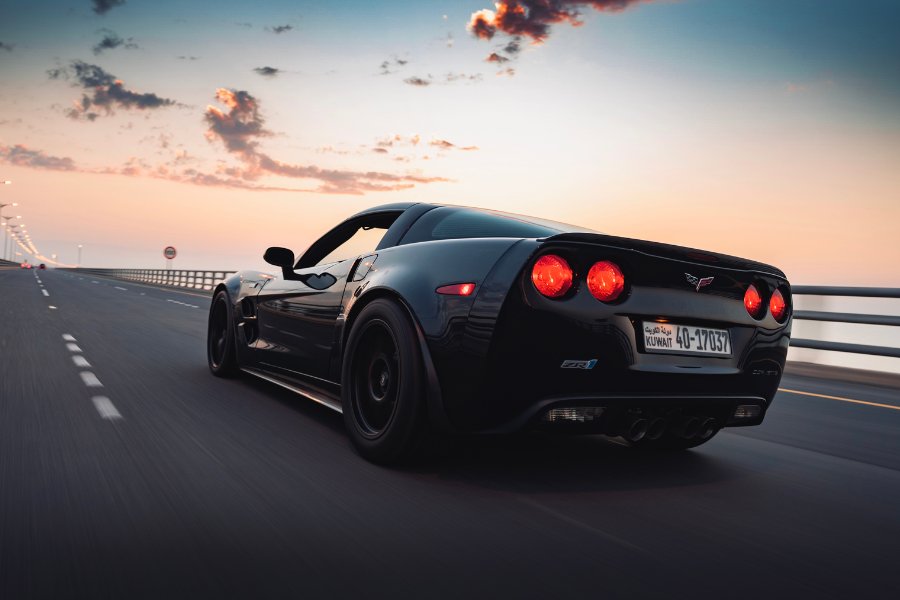
While manual transmissions are loved by driving purists for the control and engagement they offer, there are some cars where the automatic transmission provides a much better overall driving experience. Whether it’s because of the car’s design, the complexity of its engine, or the advancements in transmission technology, these models shine brighter in automatic form. In this blog post, we’ll dive into the car models that are arguably way better with an automatic transmission than they are with a manual.
1. Porsche 911 (991) and Later Models
- Why Automatics Are Better: The Porsche 911 is one of the most revered sports cars in the world, and it’s available with both manual and automatic (specifically, PDK – Porsche Doppelkupplung, or dual-clutch transmission) options. While the manual version is fun to drive, the automatic in these modern 911 models, particularly the PDK, outshines the manual in every aspect. The PDK transmission is lightning-fast, offering seamless gear shifts that make the car quicker and more responsive on the track and on the road.
- Performance: The Porsche PDK transmission provides faster acceleration times, smoother shifts, and better control in high-performance scenarios. It also allows drivers to focus more on steering and braking, as they don’t have to worry about shifting during intense cornering.
- Conclusion: For the 991 generation and beyond, the Porsche 911’s PDK is undeniably superior to the manual, offering a better combination of performance, convenience, and driving pleasure.
2. Chevrolet Corvette (C7 and C8)
- Why Automatics Are Better: The Chevrolet Corvette has always been about raw performance and power, and with the C7 and C8 generations, Chevy has taken performance to the next level with their dual-clutch automatic transmissions. The newer Corvette models, particularly the C8, come exclusively with an 8-speed dual-clutch automatic, which allows for rapid gear shifts and the ability to handle the monstrous power output with ease.
- Performance: The Corvette’s automatic transmission makes the car quicker off the line, with faster shift times than even the most skilled manual drivers can achieve. With the C8, particularly the mid-engine design, the automatic transmission is perfectly suited to manage the car’s performance, especially during high-speed runs and on-track driving.
- Conclusion: While the manual transmission still offers a pure driving experience, the automatic in the C7 and C8 Corvettes maximizes performance, making it the ideal choice for enthusiasts who crave speed and precision.
3. Tesla Model S
- Why Automatics Are Better: The Tesla Model S, like all electric vehicles, comes with a single-speed transmission, but it’s essentially an automatic system in every sense of the word. Tesla has revolutionized the driving experience by offering incredibly fast acceleration and smooth power delivery without the need for gear shifts. The lack of a manual transmission makes sense in an EV, where efficiency and performance are paramount.
- Performance: With its instant torque delivery, the Tesla Model S is a powerhouse, offering acceleration that rivals even the best supercars. The automatic nature of the system means drivers can enjoy effortless power delivery without the need to worry about shifting gears.
- Conclusion: The Tesla Model S is best experienced in its automatic, single-speed form, as it maximizes the car’s electric motor capabilities while providing a seamless driving experience.
4. BMW M5 (F10 and F90)
- Why Automatics Are Better: BMW’s M5 has always been a high-performance sedan, and with the F10 and F90 generations, the transition to an 8-speed M Steptronic automatic transmission makes a world of difference. While the manual M5 from earlier generations was beloved, the automatic M5 is not only faster but also more refined, making it a more compelling choice for most drivers.
- Performance: The automatic transmission in the F10 and F90 M5 offers faster acceleration, sharper gear shifts, and improved fuel efficiency. With the massive power from the twin-turbocharged engines, the automatic is able to handle the M5’s performance without any hesitation. The manual, on the other hand, would require more effort to extract the same level of performance.
- Conclusion: The F10 and F90 BMW M5 are superior with an automatic transmission, offering better performance and overall driving refinement.
5. Lexus LC 500
- Why Automatics Are Better: The Lexus LC 500 is a luxury sports coupe with a 5.0-liter V8 engine that produces an impressive amount of power. While the manual would offer a more engaging experience, the 10-speed automatic in the LC 500 is expertly tuned to deliver smooth, refined shifts while maximizing the V8’s power and efficiency. It’s a car designed for those who appreciate high-speed performance in a luxurious, comfortable setting.
- Performance: The 10-speed automatic transmission in the LC 500 is incredibly responsive, allowing the car to accelerate smoothly and efficiently. The automatic shifts faster and more seamlessly, which is especially beneficial when driving at high speeds.
- Conclusion: The LC 500 is built for cruising and high-performance driving, making the automatic transmission the better choice for both comfort and precision.
6. Audi RS7
- Why Automatics Are Better: The Audi RS7 is a high-performance sports sedan with a twin-turbocharged V8 engine and Quattro all-wheel-drive. It’s a car that demands serious performance, and the 8-speed Tiptronic automatic transmission is ideally suited to manage the power output and provide quick gear shifts. While a manual transmission could still technically be fun in this car, it wouldn’t come close to delivering the same level of smoothness and speed as the automatic.
- Performance: With its twin-turbo V8 engine, the RS7’s automatic transmission ensures seamless shifts and excellent power delivery, making the car incredibly fast off the line and through tight corners. The manual transmission would struggle to keep up with the car’s performance potential.
- Conclusion: The RS7 is best in automatic form, where the advanced transmission can manage the engine’s power more effectively and provide a more dynamic driving experience.
7. McLaren 720S
- Why Automatics Are Better: McLaren’s 720S is a hypercar that delivers extreme levels of performance, and it’s equipped with a 7-speed dual-clutch transmission that is perfectly suited to the car’s capabilities. The automatic transmission in the 720S ensures the car shifts seamlessly at incredible speeds, allowing the driver to focus on driving rather than shifting gears.
- Performance: The dual-clutch transmission in the McLaren 720S offers lightning-fast gear shifts, which is essential when harnessing the car’s 710 horsepower. The manual transmission simply can’t keep up with the speed and precision of the dual-clutch system.
- Conclusion: The McLaren 720S is a car that thrives with an automatic transmission, ensuring maximum performance and a smoother driving experience.
8. Jaguar F-Type
- Why Automatics Are Better: The Jaguar F-Type is a stylish, high-performance coupe with a range of engine options, including a supercharged V6 and V8. The 8-speed automatic transmission is a far better match for this car’s performance than a manual, offering fast gear shifts and a more refined driving experience.
- Performance: The automatic transmission in the F-Type ensures that the car can deliver all its power without hesitation, while also providing smoother shifts for a more refined drive. The manual version, although fun, simply can’t match the automatic for performance or smoothness in everyday driving.
- Conclusion: For both performance and refinement, the Jaguar F-Type is better suited to an automatic transmission, delivering the best driving experience possible.
Final Thoughts: When Automatics Outshine Manuals
While manual transmissions continue to have a dedicated fanbase, there are several cars that perform better, feel smoother, and offer a more refined experience when equipped with an automatic transmission. Whether it’s the lightning-fast shifts in dual-clutch systems or the sheer power handling capabilities in performance vehicles, automatic transmissions are the perfect match for certain high-performance cars. For those looking for speed, precision, and ease of driving, these automatic options are the way to go.

For those who love the feeling of being fully connected to their car, a manual transmission remains the gold standard. Despite the growing dominance of automatic transmissions in the automotive industry, manual cars still hold a special place for driving enthusiasts, offering a more engaging and tactile driving experience. If you’re in the market for a used manual car, there are plenty of options that combine fun, reliability, and performance.
Here’s a list of some of the best used manual cars to consider, whether you’re looking for an affordable commuter, a sporty ride, or a performance car.
1. Mazda MX-5 Miata
- Years to Look For: 2016–2020
- Why It’s Great: The Mazda MX-5 Miata is a legend in the world of manual cars, and for good reason. Known for its exceptional handling, lightweight design, and pure driving pleasure, the Miata remains a top choice for driving enthusiasts. Its small size and balanced chassis make it a joy on twisty roads, while its precise six-speed manual transmission offers the kind of tactile feedback that makes you feel every shift. It’s also relatively affordable, even as a used car.
- Pros:
- Excellent handling and driving dynamics
- Affordable maintenance
- Reliable long-term performance
- Fun and sporty
- Cons:
- Small interior, not ideal for tall drivers
- Limited cargo space
2. Honda Civic Si
- Years to Look For: 2012–2015
- Why It’s Great: The Honda Civic Si has been a favorite among car enthusiasts for years, and the 2012–2015 models continue this tradition. With a punchy 2.4-liter engine and a slick 6-speed manual transmission, the Civic Si delivers a thrilling drive that doesn’t break the bank. It’s practical, too, offering a spacious interior, good fuel economy, and a reputation for reliability. Whether you’re looking for a daily driver with a bit of fun or a car that holds its value over time, the Civic Si is a top choice.
- Pros:
- Great balance of performance and practicality
- Reliable and low-maintenance
- Affordable and fuel-efficient
- Cons:
- Interior quality isn’t as premium as some rivals
- Not as engaging as some other performance-oriented cars
3. Ford Mustang
- Years to Look For: 2015–2020
- Why It’s Great: The Ford Mustang is an American icon, and with a manual transmission, it brings a whole new level of engagement. The 2015–2020 Mustang is equipped with modern technology and features, but still offers that raw muscle car experience. The 2.3-liter turbocharged four-cylinder (EcoBoost) and the powerful V8 options provide plenty of options depending on how much performance you desire. The manual transmission in these models is well-regarded for its smooth shifts and responsive clutch, making it a great choice for enthusiasts who want a mix of performance and nostalgia.
- Pros:
- Powerful engine options, including V8 and EcoBoost
- Iconic design and American muscle heritage
- Good value for performance
- Cons:
- Ride can be stiff for some
- Interior quality isn’t as refined as some European competitors
4. Subaru WRX
- Years to Look For: 2015–2020
- Why It’s Great: If you’re after a more practical manual car that offers both performance and all-weather capability, the Subaru WRX is an excellent choice. With its turbocharged all-wheel drive system and rally-inspired pedigree, the WRX offers thrilling acceleration and cornering abilities. The 6-speed manual transmission is smooth and precise, and the WRX is well-suited for those who want an agile performance car that can handle rough weather conditions, thanks to its all-wheel-drive setup.
- Pros:
- All-wheel drive for enhanced grip in all conditions
- Turbocharged engine offers strong acceleration
- Fun to drive and good performance value
- Cons:
- Firm ride and road noise
- Not as refined as some rivals in terms of interior quality
5. Volkswagen Golf GTI
- Years to Look For: 2015–2020
- Why It’s Great: The Volkswagen Golf GTI combines performance with everyday practicality. As one of the best hot hatches on the market, it offers a 2.0-liter turbocharged engine paired with a precise 6-speed manual transmission. It’s a car that strikes a balance between comfort, practicality, and performance, making it a great option for someone looking for an engaging ride without sacrificing too much comfort. The Golf GTI is also known for its high-quality interior and upscale features, offering a premium feel in a compact package.
- Pros:
- Excellent balance of performance and practicality
- High-quality interior
- Fun to drive with great handling
- Cons:
- Not as powerful as some other hot hatches
- Ride can be firm for some
6. Chevrolet Camaro
- Years to Look For: 2016–2020
- Why It’s Great: For those who crave performance and muscle car vibes, the Chevrolet Camaro is a fantastic choice. With its aggressive styling and powerful engine options, including a V6 and V8, the Camaro offers a driving experience that’s both thrilling and rewarding. The 6-speed manual transmission is sharp and responsive, making it a great pick for enthusiasts. Whether you’re after raw power or a more refined V6 option, the Camaro offers something for everyone.
- Pros:
- Powerful engine choices
- Excellent performance and handling
- Aggressive styling and muscle car appeal
- Cons:
- Rear visibility is limited
- Ride can be stiff and uncomfortable for daily use
7. BMW 3 Series (F30)
- Years to Look For: 2012–2018
- Why It’s Great: The BMW 3 Series has long been known for its driving dynamics, and the F30 generation is no exception. Available with a 6-speed manual transmission in the 328i and 340i models, the 3 Series offers a balance of luxury and sportiness. Its rear-wheel-drive layout, precise steering, and well-tuned suspension make it an absolute joy to drive. The interior is also high-quality, with plenty of tech and comfort features. It’s a great choice if you want a luxury vehicle that doesn’t sacrifice driving enjoyment.
- Pros:
- Luxurious interior with high-quality materials
- Excellent handling and driving experience
- Available with a manual transmission in several models
- Cons:
- Maintenance and repair costs can be high
- Some models are more expensive than other used cars
8. Porsche 911 (997)
- Years to Look For: 2005–2012
- Why It’s Great: For those who want a true sports car experience, the Porsche 911 (997) offers unmatched driving dynamics and an iconic design. Available with a 6-speed manual transmission, the 997 generation is often considered one of the best value propositions in the world of used luxury sports cars. Its precise steering, powerful engine options, and high build quality make it an absolute blast to drive. Though it’s a more expensive used car, the 911’s reliability and long-term value make it a worthwhile investment for driving enthusiasts.
- Pros:
- Legendary performance and handling
- Iconic design and brand prestige
- Strong resale value
- Cons:
- Expensive to maintain and repair
- High initial purchase price
Final Thoughts: Choosing the Best Used Manual Car for You
Whether you’re looking for an affordable commuter car that still offers a thrilling drive or a high-performance sports car, there are plenty of used manual transmission vehicles to choose from. The cars listed here represent a variety of price points, performance levels, and driving experiences, so it’s all about what matters most to you: driving pleasure, reliability, or value.
Before purchasing, be sure to do your due diligence and check for any mechanical issues. A used manual car can be an incredibly rewarding ownership experience, so take your time to find the one that best fits your driving style and budget.

When it comes to buying a car with a salvage title, whether it’s manual or automatic, there are several factors to consider. A salvage title indicates that the vehicle has been severely damaged—often in an accident or due to natural disasters—and subsequently repaired. While the salvage title can result in a significant reduction in the car’s price, it also signals a potentially higher risk of future repairs. So, is a manual or automatic transmission better when considering a car with a salvage title? Let’s explore the pros and cons of both options in this context.
1. Repair Costs and Transmission Complexity
One of the key factors when dealing with a salvage title vehicle is the potential for repairs, both now and in the future. Cars with manual transmissions are generally simpler in terms of mechanical components compared to their automatic counterparts. Manual gearboxes have fewer moving parts, which means there are fewer components that can go wrong. If a salvage-title manual car requires repairs, they might be less expensive and less complex than fixing a problematic automatic transmission.
In contrast, automatic transmissions tend to have more intricate systems, with more parts that could malfunction. If the car’s transmission has already been affected by the accident that led to the salvage title, the repairs could be costly and difficult to address, even if the car’s body and engine have been fixed.
Conclusion: If you’re considering a salvage-title vehicle primarily for repair simplicity and cost, a manual transmission might be the safer bet. However, this comes with the assumption that the manual gearbox hasn’t been affected by the damage, which would require careful inspection.
2. Driving Experience and Comfort
Manual Transmission: While manual cars are often favored by driving enthusiasts, they can be more challenging to drive, particularly in stop-and-go traffic. Shifting gears requires more attention and skill, which could be a downside for some drivers, especially if the car has undergone significant repairs. Post-accident, if the clutch system or gearbox was damaged, it might lead to an inconsistent driving experience.
Automatic Transmission: Automatic cars are easier to drive, especially for those unfamiliar with manual gear shifts. For someone driving a salvage-title car, comfort and convenience are important considerations. If the vehicle has already undergone repairs, the automatic transmission might provide a smoother ride, particularly if the repair work on the car is extensive and includes parts of the drivetrain. Automatic cars also tend to be more fuel-efficient in modern designs, which is a perk if you’re planning to use the vehicle regularly.
Conclusion: If you prioritize convenience and ease of driving post-repair, an automatic transmission may be the way to go. However, if you enjoy a more hands-on driving experience and feel confident in your ability to handle a manual, a salvage-title manual car could be a fun choice.
3. Resale Value
When you purchase a salvage-title car, your goal might be to drive it for a while and then sell it. However, resale value is often a critical consideration, and it can be impacted by both the title status and the type of transmission.
Manual Transmission: Typically, manual transmission cars have a smaller pool of potential buyers, especially in markets where automatic cars dominate. This can limit your resale potential, even if the car was repaired and is in excellent condition. A salvage-title manual car may also deter buyers who fear the complexity of a manual transmission in a potentially compromised vehicle.
Automatic Transmission: Automatic cars generally have broader appeal, especially in markets where ease of driving is a priority. This could make it easier to sell a salvage-title automatic car down the line, assuming the repairs have been done properly. However, the automatic’s higher repair costs could lower its value in the eyes of potential buyers.
Conclusion: If you are looking to resell the car in the future, an automatic transmission may have an advantage due to its wider appeal. However, it’s important to factor in how much the vehicle’s salvage title will already affect its resale price.
4. Maintenance and Long-Term Reliability
Manual Transmission: One of the key advantages of a manual transmission is that it is often more durable over the long term, provided it’s properly maintained. Since the transmission is simpler, there are fewer parts to fail, and issues are usually easier to diagnose. In a salvage-title car, this could be crucial if you’re concerned about future breakdowns, as manual cars are less likely to encounter expensive transmission failures than automatic ones.
Automatic Transmission: On the other hand, automatic transmissions in older vehicles (especially those with a salvage title) are often more prone to issues. The complexity of the system means that it requires more frequent and sometimes expensive maintenance to keep it running smoothly, especially after an accident. If the car’s transmission was damaged in the incident that resulted in the salvage title, there’s a good chance it could be problematic in the future, even with repairs.
Conclusion: A manual transmission may provide more reliability in the long run, especially if the car is a salvage title. It could be easier and cheaper to maintain over time, giving it an edge over an automatic in terms of longevity.
5. Fuel Efficiency
Manual Transmission: Manual cars tend to be more fuel-efficient than automatics, especially older models. This is because they give the driver more control over gear shifts, optimizing the engine’s performance for better mileage. In a salvage-title car, fuel efficiency could be a consideration if you’re looking to save on operating costs over time.
Automatic Transmission: Modern automatic transmissions are designed to be more fuel-efficient, especially in newer cars with advanced transmission technology. However, older automatic systems (and those in salvage-title cars) might not offer the same level of efficiency as a manual car, especially if the vehicle has suffered damage that impacts engine performance.
Conclusion: If fuel economy is a primary concern and the car is older, a manual car may be the better choice. However, a newer automatic transmission could still offer competitive efficiency.
Final Thoughts: Manual vs. Automatic Salvage Title Cars
The decision between a manual or automatic transmission when considering a salvage-title car depends on your priorities. If you’re looking for ease of driving, broader appeal for resale, and a more comfortable driving experience, an automatic may be the way to go. However, if repair simplicity, long-term reliability, and lower maintenance costs are more important, a manual transmission could be a better fit.
In either case, it’s crucial to have the car thoroughly inspected by a trusted mechanic before purchasing, regardless of whether the vehicle is manual or automatic. With either option, taking a test drive can also help in the decision making process. A salvage-title car can carry hidden risks, and the type of transmission will affect both short- and long-term ownership costs.
Ultimately, the best choice comes down to how you plan to use the car, your driving preferences, and how much you’re willing to invest in future repairs.

Mercedes-Benz has long been synonymous with luxury, engineering excellence, and cutting-edge technology. As we approach 2025, the iconic brand continues to offer an array of vehicles that blend comfort, style, and performance. Whether you’re looking for a brand-new model or a well-maintained used car, here are some of the best Mercedes-Benz cars to watch for in 2025.
1. 2025 Mercedes-Benz S-Class
The S-Class has been the crown jewel of Mercedes-Benz for decades, and the 2025 model will carry that legacy forward. Known for its supreme luxury, the S-Class offers an opulent interior, advanced technology, and a smooth, powerful ride. Expect innovations in autonomous driving capabilities, more electrified powertrains, and advanced driver-assist systems.
For those seeking an electrified luxury experience, the 2025 S-Class will likely feature more hybrid options, and even a full electric variant (inspired by the EQS). With a refined ride quality and a host of features like MBUX (Mercedes-Benz User Experience) infotainment, massaging seats, and ambient lighting, the 2025 S-Class will continue to be one of the top choices for those who prioritize comfort and performance.
2. 2025 Mercedes-Benz EQS
The EQS is Mercedes’ flagship electric sedan, and by 2025, it’s expected to be even more refined. This all-electric luxury car pushes the limits of performance and technology, with a range that surpasses 400 miles and rapid-charging capabilities. The EQS brings the traditional Mercedes-Benz quality to the world of electric vehicles, offering a quiet, refined drive with a futuristic interior full of digital screens, voice controls, and a minimalist design.
Look out for new battery technologies, improved charging infrastructure, and enhanced performance for the 2025 model. If you’re seeking a more eco-conscious option without compromising on luxury, the EQS should be on your radar.
3. 2025 Mercedes-Benz G-Class (G-Wagon)
The Mercedes-Benz G-Class, affectionately known as the G-Wagon, continues to dominate the luxury SUV market. The 2025 G-Class will offer more than just rugged off-road capability; it blends it with luxury and performance. With a striking design that hasn’t changed much over the years, the G-Wagon’s presence on the road remains undeniable.
For 2025, expect more advanced hybrid and possibly electric versions of the G-Class. These models will have the power to rival the gasoline-powered variants but with the added benefit of reduced emissions and increased fuel efficiency. The G-Class remains the epitome of rugged luxury, making it a top contender for anyone looking for an SUV that combines style with off-road prowess.
4. 2025 Mercedes-Benz E-Class
The E-Class has long been one of Mercedes-Benz’s best-selling vehicles, and the 2025 model promises to continue this tradition. Available in sedan, coupe, and wagon variants, the E-Class is known for its balance of luxury, performance, and technology. For 2025, Mercedes-Benz will likely introduce even more advanced driver-assistance systems, with features like semi-autonomous driving capabilities, enhanced safety tech, and a more sophisticated infotainment system.
Expect refined engine options, including powerful yet efficient hybrids, as well as an emphasis on a smoother, more comfortable ride. The E-Class remains an excellent choice for anyone seeking a luxury vehicle that strikes the perfect balance between everyday usability and cutting-edge features.
5. 2025 Mercedes-Benz A-Class
If you’re after a compact luxury car with a premium feel, the A-Class is an ideal choice. The 2025 model of the A-Class will be even more refined than its predecessors, with a sleek design, improved interior quality, and advanced technology. Expect better fuel economy and updated tech features, including the latest version of the MBUX infotainment system.
For those who want a more affordable entry into the world of Mercedes-Benz, the A-Class remains a strong contender. With a lower starting price than other models in the lineup, it provides the Mercedes experience without the premium price tag.
6. 2025 Mercedes-Benz GLE Coupe
For those who love the look of an SUV but prefer the sleek, dynamic lines of a coupe, the Mercedes-Benz GLE Coupe is an option worth considering. The 2025 GLE Coupe will continue to offer powerful engine options, an elegant and aggressive design, and an interior packed with luxury features.
Expect the 2025 model to have more electrified options, including hybrid versions that offer greater performance while remaining eco-conscious. The GLE Coupe combines sporty driving dynamics with everyday practicality, making it a solid choice for those who want versatility without compromising on performance or aesthetics.
7. 2025 Mercedes-Benz CLA
For those who want a smaller, more compact sedan with sporty styling, the 2025 Mercedes-Benz CLA is a model to keep an eye on. With its aggressive stance, dynamic performance, and advanced tech, the CLA is perfect for those seeking a luxury car at a more affordable price. Expect more tech upgrades, including improved connectivity and enhanced infotainment features, as well as efficient engine options.
The CLA blends style with practicality and performance, and the 2025 model will likely continue this tradition with even more advanced features and a smoother, more refined driving experience.
8. 2025 Mercedes-Benz GLA
The 2025 GLA offers a luxury SUV in a compact size, making it an excellent option for those who want a more nimble vehicle without sacrificing the quality and comfort associated with the Mercedes-Benz brand. The GLA’s high-tech interior, smart safety features, and fuel-efficient engines will continue to make it one of the best small luxury SUVs on the market.
For 2025, you can expect more hybrid and possibly fully electric options, as Mercedes-Benz continues to expand its electric vehicle lineup. Whether you’re looking for a city-friendly vehicle or something to take on weekend adventures, the GLA is one to watch.
Used Mercedes-Benz Cars to Consider for 2025
If you’re on the hunt for a used Mercedes-Benz, 2025 offers a great opportunity to buy well-maintained, high-quality cars from previous model years. Here are some used models to consider:
- Used Mercedes-Benz C-Class (2019-2023): The C-Class has always been a favorite for its blend of luxury, style, and performance. The 2019-2023 models are expected to retain their value and offer excellent tech, comfort, and driving dynamics.
- Used Mercedes-Benz GLC (2018-2023): As a midsize luxury SUV, the GLC combines a stylish design with impressive features. The 2018-2023 models offer strong performance and high-tech interiors, making them great options for those seeking a well-rounded luxury vehicle.
- Used Mercedes-Benz A-Class (2019-2023): The A-Class is the most affordable way into the Mercedes-Benz lineup. Look for the 2019-2023 models, which offer modern tech features, solid performance, and a compact, sleek design.
Over the past decade, Mercedes-Benz has continued to impress car enthusiasts and consumers alike with its range of luxury, performance, and innovative vehicles. The brand’s mix of high-quality engineering, cutting-edge technology, and timeless design has made certain models stand out in the automotive world. Here are some of the most popular Mercedes-Benz cars from the last ten years:
1. Mercedes-Benz C-Class (2014-2024)
The C-Class has consistently been one of Mercedes-Benz’s best-selling vehicles. Known for its elegant design, comfortable interior, and a choice of powerful engines, the C-Class has remained a favorite among those who desire a luxury sedan without going into the high-end models.
The 2015 model marked the introduction of a more refined, tech-filled version, including the introduction of the MBUX (Mercedes-Benz User Experience) infotainment system in later years. The C-Class has been available in sedan, coupe, and wagon versions, and it offers a great balance of performance, luxury, and value, making it one of Mercedes’ most popular models.
2. Mercedes-Benz E-Class (2016-2024)
The E-Class has long been a staple of the Mercedes-Benz lineup, offering more space and luxury than the C-Class while still remaining practical for everyday use. The 2016-2024 E-Class has seen significant improvements in both performance and technology, with the 2017 model marking the debut of semi-autonomous driving features.
The 2020 E-Class received updated styling and advanced tech features, like augmented reality navigation and a more sophisticated infotainment system. Available as a sedan, coupe, convertible, and wagon, the E-Class appeals to those who want a more refined and versatile vehicle without stepping up to the flagship S-Class.
3. Mercedes-Benz GLC (2016-2024)
The GLC has been a major hit in Mercedes-Benz’s SUV lineup, blending the brand’s luxurious touches with the utility and versatility of a compact SUV. Since its launch in 2016, the GLC has been available in various trims, including the sporty GLC Coupe, appealing to a wide range of buyers.
The 2020 model introduced updated styling, better interior materials, and improved tech, with the inclusion of the latest MBUX system. The GLC is available with both gasoline and hybrid powertrains, and its sleek design, combined with premium interior features, has made it one of the top-selling SUVs for Mercedes-Benz.
4. Mercedes-Benz S-Class (2014-2024)
The S-Class is often seen as the pinnacle of luxury in the automotive world, and over the last decade, it has maintained that reputation. Offering cutting-edge technology, impeccable comfort, and powerful engines, the S-Class has become the choice of those who want the best of everything in a luxury sedan.
The 2014 S-Class introduced new levels of comfort with features like the Magic Body Control suspension, and the 2021 S-Class brought even more tech, including improved semi-autonomous driving capabilities and a stunning interior with more screens and ambient lighting. The S-Class has continued to be a symbol of automotive excellence, maintaining its position as one of the most popular and sought-after luxury sedans.
5. Mercedes-Benz G-Class (2019-2024)
The G-Class, also known as the G-Wagon, is one of the most iconic and recognizable vehicles in the Mercedes-Benz lineup. Known for its boxy, rugged design, and off-road capabilities, the G-Class has evolved into a luxury SUV that combines high-end features with impressive performance.
The 2019 redesign brought modern touches while keeping the iconic G-Wagon look intact. Its high-performance AMG variants, like the AMG G63, have become particularly popular among celebrities and high-profile buyers. The G-Class’s appeal lies in its ability to combine a distinctive design with world-class off-road ability and luxury, making it a symbol of success and rugged elegance.
6. Mercedes-Benz A-Class (2019-2024)
The A-Class is Mercedes-Benz’s entry-level luxury vehicle, making the brand more accessible to younger buyers. Launched in the U.S. in 2019, the A-Class offers a stylish design, a high-tech interior, and an affordable starting price compared to other models in the lineup. The 2020 A-Class sedan received widespread acclaim for its cutting-edge MBUX system and impressive list of standard features.
The A-Class is available in both sedan and hatchback variants, and its sporty handling, luxurious interior, and advanced tech make it a great option for those looking for a luxury car at a lower price point. The A-Class has quickly become one of Mercedes-Benz’s most popular models among younger buyers and first-time luxury car owners.
7. Mercedes-Benz GLE (2015-2024)
The GLE, a midsize luxury SUV, has become a favorite for families who need space and practicality but don’t want to sacrifice luxury or performance. Originally introduced as the M-Class in 2015, the GLE nameplate brought updated styling, more advanced tech, and better performance.
The 2020 model received a full redesign, adding more interior space, improved tech, and a new hybrid powertrain option. The GLE has been especially popular for its blend of performance and comfort, with the availability of both standard and AMG models for those seeking a sportier ride. The 2024 GLE will likely continue to build on its reputation for being one of the most well-rounded SUVs in Mercedes’ portfolio.
8. Mercedes-Benz CLA (2014-2024)
The CLA is a compact luxury sedan with a stylish, coupe-like design that appeals to buyers who want a sporty look without the price tag of a full-sized luxury sedan. The CLA debuted in 2014 and has been popular for its sleek, attractive design, efficient engines, and affordable starting price for a Mercedes-Benz.
The 2020 update introduced a more refined design, including a larger, more upscale interior and better tech features. The CLA offers an engaging driving experience with its nimble handling and turbocharged engines, making it a fun, practical, and affordable option for younger buyers.
9. Mercedes-Benz EQC (2019-2024)
The EQC marks Mercedes-Benz’s entry into the electric vehicle market. Launched in 2019, the EQC is a fully electric SUV that combines the brand’s luxury expertise with eco-friendly technology. It offers impressive range and performance, and it provides a smooth, quiet ride while delivering all the high-end features expected from a Mercedes-Benz.
While the EQC’s popularity has been growing, particularly in Europe, the model is expected to see more updates and expanded availability in the coming years as Mercedes continues to invest in electric vehicles. If you’re looking for a sustainable luxury SUV, the EQC is one to keep an eye on.
10. Mercedes-Benz AMG GT (2015-2024)
The AMG GT is Mercedes-Benz’s flagship sports car, offering stunning performance, track-ready handling, and an unmistakable design. Since its launch in 2015, the AMG GT has become one of the top choices for sports car enthusiasts looking for a mix of luxury and performance.
The AMG GT’s V8 engine and aggressive styling make it a standout in the performance car segment, and its popularity has only grown as the model has been refined over the years. With options ranging from the base AMG GT to the high-performance AMG GT Black Series, this car is designed for those who want the ultimate driving experience with the signature Mercedes-Benz luxury.
Conclusion
Mercedes-Benz has produced a wide variety of popular models over the last decade, spanning across luxury sedans, compact cars, sporty coupes, and high-performance SUVs. Models like the C-Class, E-Class, and GLC have been fan favorites due to their combination of luxury, comfort, and technology, while the iconic G-Class and AMG GT continue to turn heads with their bold designs and powerful performance. Whether you’re looking for a family-friendly SUV, a sleek sedan, or an electrifying experience, Mercedes-Benz has something for everyone in its lineup, ensuring its place as one of the most popular luxury automakers in the world.
In 2025, Mercedes-Benz continues to offer a wide range of models that cater to every type of driver, whether you prioritize luxury, performance, technology, or eco-friendliness. Whether you opt for a new model like the EQS or the S-Class, or go for a well-maintained used car like the GLC or C-Class, Mercedes-Benz cars are designed to impress.
When choosing your next Mercedes, consider the model that best fits your lifestyle and driving preferences. Whether you’re looking for the latest cutting-edge technology, high performance, or timeless luxury, 2025 is shaping up to be another exciting year for Mercedes-Benz enthusiasts.