

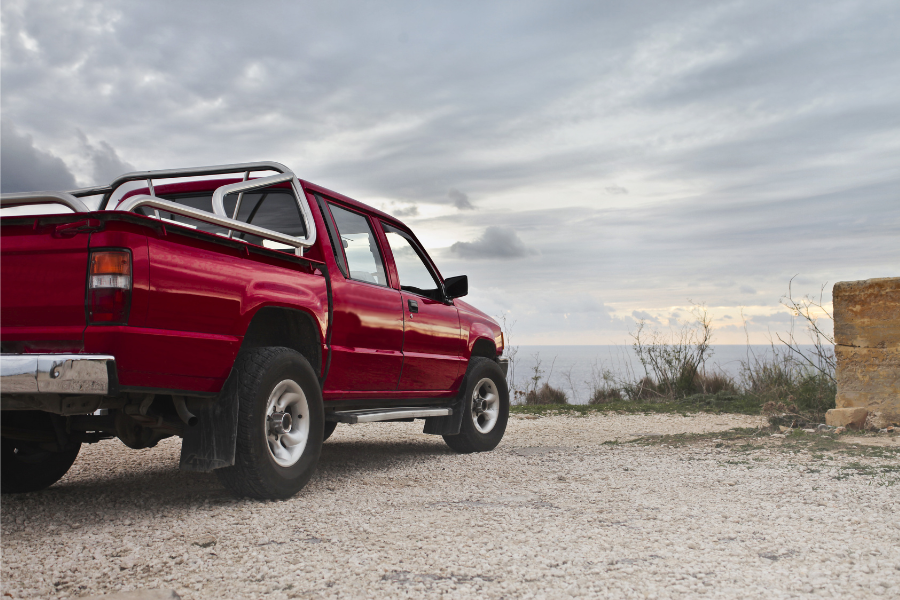
When it comes to buying a truck, many buyers are increasingly turning their attention to used and salvage title options. These trucks can offer substantial savings, but they come with their own set of considerations. Whether you’re a contractor needing a reliable workhorse or an off-roading enthusiast looking for a project, understanding which salvage title trucks are most popular can help you make an informed decision.
Why Consider Salvage Title Trucks?
Salvage title trucks are vehicles that have been significantly damaged and deemed a total loss by an insurance company. Once repaired, they can be sold at a fraction of their pre-damage value. For some buyers, this translates into a cost-effective way to own a truck that would otherwise be out of their price range.
However, it’s important to approach these vehicles with caution. Salvage title trucks may have hidden issues, and their resale value tends to be lower. Thorough inspections and understanding the vehicle’s history are crucial steps before making a purchase.
Popular Salvage Title Trucks
- Ford F-150
- Why It’s Popular: The Ford F-150 is one of the best-selling trucks in the United States, known for its reliability, strong performance, and versatility. Salvage title F-150s are sought after because they offer the same benefits as new models but at a fraction of the price.
- Common Issues: Depending on the extent of the salvage, common issues can include frame damage and electrical system problems. It’s essential to check the integrity of the frame and all major systems.
- Chevrolet Silverado 1500
- Why It’s Popular: The Silverado 1500 is renowned for its powerful engine options, smooth ride, and high towing capacity. Salvage title versions often attract buyers due to their robust build and extensive aftermarket support.
- Common Issues: Issues can range from minor cosmetic repairs to more significant engine or transmission problems. Inspecting the drivetrain and ensuring that repairs were done correctly is key.
- Ram 1500
- Why It’s Popular: Known for its comfortable ride and upscale interior, the Ram 1500 is a favorite among those looking for a blend of utility and luxury. Salvage title Rams are appealing for their spacious cabins and high-end features at reduced prices.
- Common Issues: Be wary of potential suspension and electronics issues. A thorough inspection of the suspension components and electrical systems is recommended.
- Toyota Tacoma
- Why It’s Popular: The Toyota Tacoma is celebrated for its reliability and off-road capabilities. Salvage title Tacomas are highly sought after by off-road enthusiasts who want a dependable vehicle for adventures without breaking the bank.
- Common Issues: Check for potential frame rust and suspension wear, especially in models used for off-roading. A detailed inspection of the frame and undercarriage is crucial.
- Nissan Titan
- Why It’s Popular: The Nissan Titan stands out for its powerful engines and spacious interiors. Salvage title Titans offer buyers a chance to own a full-size truck with impressive features and performance at a lower cost.
- Common Issues: Pay attention to potential issues with the drivetrain and electrical systems. Ensuring that all repairs are up to standard will help in avoiding future problems.
What to Consider Before Buying a Salvage Title Truck
- Inspection: Always have a trusted mechanic inspect the truck. They can identify hidden issues that might not be immediately apparent.
- Vehicle History Report: Obtain a comprehensive report to understand the extent of the damage and repairs made. Services like Carfax or AutoCheck can provide valuable insights. Doing an advanced search on a salvage vehicle or salvage trucks can help you be more prepared before buying a car with a salvage title.
- Repair Quality: Ensure that any repairs were done professionally and adhere to industry standards. Poor repairs can lead to ongoing issues.
- Resale Value: Keep in mind that salvage title trucks typically have lower resale values. Factor this into your decision-making process, especially if you plan to sell the truck in the future.
- Insurance: Some insurance companies may be reluctant to provide full coverage for salvage title vehicles, so check with your insurance provider beforehand.
Salvage title trucks can be a great way to save money on a high-quality vehicle, but they require careful consideration and due diligence. Popular models like the Ford F-150, Chevrolet Silverado 1500, and Toyota Tacoma offer excellent value if you’re prepared to navigate the potential risks. By conducting thorough inspections and understanding the implications of buying a salvage title truck, you can make a purchase that suits both your needs and your budget.
Pros of Buying a Salvage Title Truck
In the world of vehicle purchases, salvage title trucks often carry a stigma. These trucks, which have been significantly damaged and repaired, might seem like a risky choice. However, for savvy buyers, they can offer substantial advantages. If you’re considering a salvage title truck, it’s worth exploring the potential benefits that might make this choice a smart move.
1. Significant Cost Savings
One of the most compelling reasons to consider a salvage title truck is the potential for significant cost savings. Salvage title vehicles are typically priced much lower than their clean title counterparts. This reduced price can allow you to afford a higher-end model or a truck with more features than you might otherwise be able to purchase. For budget-conscious buyers, this can be a game-changer.
2. Access to High-Quality Vehicles
Salvage title trucks often come from high-quality brands known for their durability and performance, such as Ford, Chevrolet, or Toyota. Because these trucks were once considered reliable and well-built, buying a salvage title version can provide you with a solid vehicle at a fraction of the original cost. With proper repairs, these trucks can continue to offer dependable performance.
3. Potential for Customization and Projects
For enthusiasts and DIYers, salvage title trucks present an opportunity for customization and personal projects. Whether you’re interested in turning a truck into an off-road machine or giving it a complete overhaul, starting with a salvage title vehicle can be an affordable way to dive into your project. You can tailor the truck to meet your specific needs and preferences without the initial high investment.
4. Lower Depreciation Rates
New vehicles depreciate rapidly, but salvage title trucks have already undergone a significant reduction in value due to their salvage status. As a result, they may experience less depreciation compared to new or even used vehicles in pristine condition. This can be beneficial if you plan to keep the truck for an extended period, as its value may remain more stable.
5. Opportunity for Value Appreciation
In some cases, if the salvage truck is repaired professionally and maintained well, it can regain a significant portion of its value. This is particularly true if the repairs are documented and the truck proves to be reliable. For those who have a keen eye for good deals and a bit of patience, a salvage title truck can turn into a valuable asset over time.
6. Less Competition
Because salvage title trucks are less sought after than clean title vehicles, there is often less competition in the market. This can mean more negotiating power for buyers and a better chance of finding a good deal. If you’re comfortable with the potential risks and willing to put in some effort, this can be a distinct advantage. With a wide selection of inventory you should be able to get the lowest price possible on a great truck at a location near you.
7. Potential for Lower Insurance Costs
While some insurance companies are hesitant to insure salvage title vehicles, others offer specialized coverage options. In some cases, the cost of insuring a salvage title truck might be lower than insuring a new or clean title vehicle, particularly if you’re opting for basic coverage. Always check with insurance providers to explore the best options available.
8. Unique History and Character
Every salvage title truck has its own unique story. For those who appreciate vehicles with a bit of character and history, buying a salvage title truck can be an appealing option. The history behind the truck can add a personal touch, especially if you enjoy learning about and restoring vehicles.
9. Potential Environmental Benefits
By purchasing a salvage title truck, you’re contributing to a more sustainable approach to vehicle ownership. Reusing and repairing a truck that might otherwise be discarded helps reduce waste and the demand for new vehicle production. For environmentally-conscious buyers, this can be an appealing benefit.
10. Opportunity to Support Local Businesses
Many salvage title trucks are repaired by local auto shops and mechanics. By buying a salvage title truck, you’re supporting these businesses and contributing to the local economy. This can be particularly meaningful if you have a relationship with a local mechanic or repair shop.
Final Thoughts
Buying a salvage title truck can offer numerous advantages, from significant cost savings and customization opportunities to potential environmental benefits. However, it’s crucial to approach this decision with due diligence. Ensure you have a comprehensive inspection and understand the truck’s history, sale date, and repair quality. With the right research and careful consideration, a salvage title truck can be a smart and rewarding purchase.
Happy truck hunting, and may you find the perfect vehicle that suits both your needs and your budget!

Shopping for a new car used to mean spending weekends trekking from dealership to dealership, negotiating with salespeople, and dealing with the stress of making a big decision in a high-pressure environment. But for Utah residents, the digital age has brought a variety of online car shopping options that make finding your perfect ride easier than ever. Whether you’re in Salt Lake City, Provo, or any of Utah’s scenic towns, here’s a guide to the best online car sales in Utah to streamline your purchase.
1. CarMax
CarMax is a leader in the online car-buying space, and it’s no surprise why. With a vast inventory of used cars, transparent pricing, and a 7-day return policy, CarMax offers a hassle-free shopping experience. Utah residents can browse their extensive inventory online, use their car finder to filter by make, model, and price, and even get a virtual appraisal for their trade-in. Whether you’re in the market for new inventory, pre owned inventory, electric vehicles, or just a truck that fits your needs they can help you filter those options any time. Plus, CarMax’s delivery service brings your chosen vehicle right to your doorstep.
Pros:
- No-haggle pricing
- 7-day return policy
- Nationwide delivery options
Cons:
- Limited new car options
- Inventory may vary based on location
2. Vroom
For a truly modern car-buying experience, Vroom offers a streamlined, fully online process. From browsing to financing, Vroom makes it easy to buy a car without stepping foot in a dealership. You can view detailed listings with high-resolution photos and even take virtual test drives. Once you select your vehicle, Vroom handles all the paperwork and delivers your car straight to your home in Utah.
Pros:
- Home delivery included
- Extensive online inventory
- Transparent pricing
Cons:
- Limited to used cars
- No physical locations for in-person support
3. Carvana
Carvana is another top choice for Utah car buyers who prefer the convenience of online shopping. Known for its user-friendly platform and distinctive vending machine concept, Carvana allows you to complete the entire car-buying process online. They offer a 7-day return policy, so you have time to make sure your car is a good fit. Additionally, their delivery service ensures that you get your new vehicle without any hassle. They have great customer reviews that highlight the great experience many of their customers have had through the car buying experience.
Pros:
- 7-day return policy
- Home delivery
- Innovative vehicle vending machines
Cons:
- Limited new cars for sale selection
- Delivery time may vary
4. AutoTrader
AutoTrader is a fantastic resource for both new and used cars, offering a comprehensive online marketplace where you can filter results by virtually any criteria. Whether you’re looking for a specific make, model, or budget, AutoTrader provides an extensive range of options from both dealers and private sellers. They also offer tools for comparing prices and calculating loan payments, which can be incredibly helpful for Utah shoppers.
Pros:
- Wide range of new and used cars
- Detailed search filters
- Comparison tools
Cons:
- Some listings are from private sellers, which may require more negotiation
- Mixed experiences with dealership responses
5. TrueCar
TrueCar stands out for its price transparency and real-time pricing data. The platform connects buyers with certified dealers and shows what others in your area have paid for similar cars. TrueCar’s partnership with various dealerships in Utah means you get competitive prices and a smooth buying process. Plus, their detailed pricing reports help you make informed decisions and avoid overpaying.
Pros:
- Price transparency
- Competitive pricing from local dealers
- Easy-to-use platform
Cons:
- Requires interaction with dealers
- Prices may vary slightly based on dealership promotions
Choosing the right online car shopping platform depends on your specific needs and preferences. Whether you prioritize a no-haggle experience, extensive inventory, or price transparency, there’s an option that fits your style. Utah residents can benefit from the convenience of online car shopping while still enjoying the unique scenic beauty of their state.
So, why spend your weekends at a dealership when you can find your next car from the comfort of your home? Explore these online options, take advantage of their features, and hit the road with a new car that’s just right for you.
The Pros and Cons of Shopping for a Car Online
The digital revolution has transformed countless aspects of our lives, and car shopping is no exception. Online car shopping offers a convenient and innovative way to find your next vehicle, but like any method, it has its advantages and drawbacks. Here’s a balanced look at the benefits and challenges if you buy online, to help you make a more informed decision.
The Benefits of Shopping for a Car Online
1. Convenience
One of the most significant advantages of shopping for a car online is convenience. You can browse listings, compare prices, and complete transactions from the comfort of your home. No more wasting weekends driving from dealership to dealership or dealing with high-pressure sales tactics. Online platforms allow you to search for vehicles at any time that suits you, fitting seamlessly into your busy schedule.
2. Extensive Inventory
Online car shopping opens up a vast inventory of vehicles that may not be available at local dealerships. Whether you’re looking for a specific make, model, or even a rare find, online platforms offer access to a wide range of options. Websites like AutoTrader and CarMax aggregate listings from various sources, giving you a comprehensive view of what’s available nationwide.
3. Price Transparency
Many online car shopping platforms offer transparent pricing, helping you understand what you should expect to pay for a vehicle. Tools like TrueCar provide real-time pricing data based on what others have paid for similar cars, which can be incredibly useful for negotiating a fair price. This transparency helps you avoid haggling and potential overpayment.
4. Detailed Research
Online car shopping allows you to conduct thorough research before making a purchase. You can read reviews, check vehicle history reports, and compare features and specifications all in one place. This level of detail can lead to more informed decisions and a better understanding of the vehicle you’re interested in.
5. No Pressure Sales
Shopping online eliminates the high-pressure sales tactics often encountered at a car dealership. You have the freedom to take your time, review options, and make decisions without feeling rushed or pressured by a salesperson. This can lead to a more relaxed and thoughtful buying process.
The Negative Aspects of Shopping for a Car Online
1. Lack of Physical Inspection
One of the major drawbacks of buying a car online is the inability to physically inspect the vehicle before purchase. While many platforms offer detailed photos and virtual tours, these cannot always capture the full condition of a car. This means you might miss out on potential issues that you would otherwise notice during an in-person inspection.
2. Limited Test Driving
Test driving a car is a crucial step in the buying process, as it allows you to assess the vehicle’s performance and comfort. Online car shopping often limits your ability to test drive before making a purchase. While some services offer home delivery for test drives, this isn’t always available and may not be as comprehensive as visiting a dealership.
3. Potential for Scams
As with any online transaction, there’s a risk of encountering scams or fraudulent sellers. Although reputable platforms work hard to vet listings and protect buyers, there are still risks involved. It’s essential to use well-established and trustworthy websites and to conduct due diligence when dealing with private sellers.
4. Complicated Return Processes
While some online car buying services offer return policies, the process can be more complicated than returning items to a local store. Returning a vehicle often involves additional paperwork and logistical challenges, and there may be fees or restrictions associated with the return.
5. Less Personal Interaction
Buying a car online means less face-to-face interaction with salespeople and less opportunity for personalized service. If you prefer discussing your needs and preferences with someone who can provide tailored recommendations, the online experience may feel impersonal. Additionally, resolving issues or negotiating terms can be more challenging without direct interaction.
Final Thoughts
Shopping for a car online offers a range of benefits, from convenience and extensive inventory to price transparency and a no-pressure environment. However, it also comes with challenges such as the inability to physically inspect the vehicle, limited test driving, and potential scams.
By weighing these pros and cons, you can make a more informed decision about whether online car shopping is the right choice for you. If you choose to shop online, ensure you use reputable platforms, conduct thorough research, and consider your comfort level with the process. With the right approach, you can navigate the online car-buying experience and find a vehicle that meets your needs and preferences. Whether its the perfect vehicle for your family, a quality used car in your budget, or your dream car you have always wanted, we hope you can find it online with help from these simple steps above.
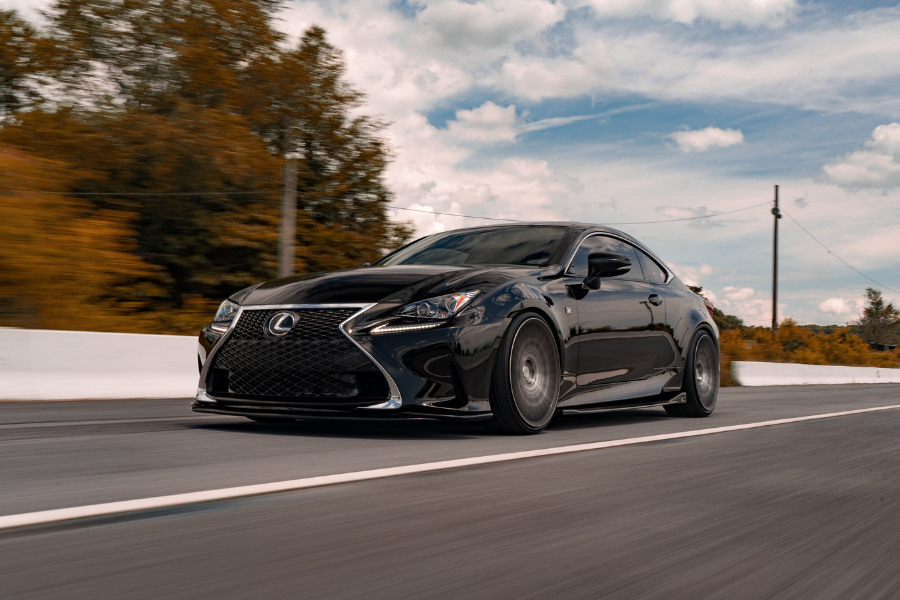
Utah, with its stunning landscapes and vibrant communities, is not just a great place to live but also a fantastic location to buy a luxury vehicle. For those interested in owning a Lexus, a brand synonymous with reliability, luxury, and performance, there are several top-notch dealerships across the state that offer exceptional service and inventory. Whether you’re in the market for a sleek new Lexus RX, a sporty IS, or the rugged GX, here’s a rundown of the best places in Utah to find your perfect Lexus.
1. Lexus of Salt Lake City
Location: 1111 S State St, Salt Lake City, UT 84111
As one of the largest and most established Lexus dealerships in the state, Lexus of Salt Lake City is a go-to destination for luxury car buyers. The dealership boasts a vast inventory of new and certified pre-owned Lexus vehicles. Their knowledgeable sales staff and state-of-the-art service center ensure that every aspect of your car-buying experience is top-notch. With a focus on customer satisfaction and a commitment to offering competitive prices, this dealership stands out in the bustling Salt Lake City area.
Why Visit?
- Extensive inventory of new and pre-owned Lexus models
- Experienced and friendly staff
- Modern service facilities for ongoing maintenance
2. Lexus of Lehi
Location: 1200 E Main St, Lehi, UT 84043
Situated conveniently along the I-15 corridor, Lexus of Lehi is an excellent option for those living in Utah County. The dealership offers a broad selection of Lexus vehicles and prides itself on providing a personalized buying experience. With a commitment to excellence, Lexus of Lehi ensures that customers receive tailored advice and support throughout the purchasing process. Their transparent pricing and helpful financing options make it a popular choice for buyers in the region.
Why Visit?
- Convenient location for Utah County residents
- Personalized service and transparent pricing
- Comprehensive financing and leasing options
3. Lexus of Murray
Location: 5825 S State St, Murray, UT 84107
Lexus of Murray is another stellar option for those seeking a high-quality Lexus dealership experience. Located in the southern part of the Salt Lake Valley, this dealership offers a broad range of new and pre-owned Lexus models. Known for its exceptional customer service and extensive selection, Lexus of Murray provides a no-pressure environment where customers can explore their options at their own pace.
Why Visit?
- No-pressure sales environment
- Broad range of Lexus models
- Friendly and knowledgeable staff
4. Lexus of Ogden
Location: 350 Washington Blvd, Ogden, UT 84404
For those in Northern Utah, Lexus of Ogden is the premier dealership to consider. Known for its excellent customer service and comprehensive inventory, Lexus of Ogden caters to buyers looking for both new and certified pre-owned Lexus vehicles. The dealership’s commitment to customer satisfaction and its team of experts make it a reliable choice for finding your next luxury vehicle.
Why Visit?
- Great option for Northern Utah residents
- Extensive inventory and knowledgeable staff
- Strong focus on customer satisfaction
5. Tucson Lexus of Utah County
Location: 1325 N 2000 W, Provo, UT 84604
Though slightly off the beaten path, Tucson Lexus of Utah County offers a unique and worthwhile experience for those in the Provo area. With a reputation for high-quality service and a diverse selection of Lexus models, this dealership provides a welcoming atmosphere and attentive staff. Their commitment to ensuring a smooth and enjoyable buying process makes them a valuable resource for prospective Lexus owners.
Why Visit?
- Friendly and accommodating staff
- Diverse selection of Lexus vehicles
- Strong community presence and customer-focused approach
Final Thoughts
Utah offers a variety of excellent dealerships for purchasing a Lexus, each with its unique advantages and strengths. Whether you’re looking for a comprehensive inventory, personalized service, or convenient location, these dealerships have you covered. By visiting one of these top dealerships, you’ll be well on your way to finding the perfect Lexus to suit your needs and lifestyle.
Before you head out, it’s a good idea to check each dealership’s website for the latest inventory, special offers, and customer reviews. Lexus collection offers a wide variety of models such as the Lexus NX, Lexus RX, Lexus ES, Lexus SUV, Lexus LX, and many more. Whether you are looking for new inventory, pre owned vehicle specials, or Lexus incentives, any Lexus dealer mentioned above will be more than capable to help you with anything you need.
Why is Lexus so popular?
When it comes to luxury vehicles, few brands command the respect and admiration that Lexus does. Renowned for its blend of sophistication, performance, and reliability, Lexus has become a popular choice for discerning drivers worldwide. But what exactly makes Lexus so appealing? In this blog post, we’ll delve into the key factors that contribute to the brand’s enduring popularity.
1. Unmatched Reliability and Durability
One of the foremost reasons Lexus enjoys widespread acclaim is its exceptional reliability. Consistently topping reliability surveys and rankings, Lexus vehicles are known for their durability and longevity. This reputation for reliability is backed by meticulous engineering, high-quality materials, and rigorous testing. For many buyers, investing in a Lexus means fewer repairs and maintenance issues over the lifespan of the vehicle, translating to peace of mind and long-term value.
2. Luxurious and Comfortable Interiors
Lexus takes interior design to the next level, offering luxurious and meticulously crafted cabins that provide both comfort and style. From premium materials to advanced technology, Lexus interiors are designed to create an exceptional driving experience. Features such as plush seating, sophisticated trim, and cutting-edge infotainment systems ensure that every journey is enjoyable. The attention to detail and emphasis on comfort make Lexus vehicles ideal for those who value a refined driving environment.
3. Advanced Technology and Innovation
Lexus vehicles are renowned for their innovative technology, which enhances both driving performance and convenience. The brand consistently integrates the latest advancements in automotive technology, including advanced driver-assistance systems, state-of-the-art infotainment, and hybrid powertrains. Lexus’s commitment to incorporating new technology ensures that drivers benefit from the latest safety features, connectivity options, and performance enhancements, keeping the driving experience both modern and enjoyable.
4. Exceptional Performance
While luxury and comfort are crucial, Lexus doesn’t compromise on performance. The brand offers a diverse lineup that caters to various driving preferences, from the sporty and agile IS series to the powerful and refined LS sedans. With options for both traditional gasoline engines and hybrid powertrains, Lexus provides a range of performance experiences that appeal to different driving styles. Whether you’re seeking a thrilling ride or a smooth, quiet drive, Lexus delivers on all fronts.
5. Strong Resale Value
Lexus vehicles are known for holding their value exceptionally well over time. This strong resale value is a testament to the brand’s reputation for reliability and quality. When it comes time to sell or trade in your Lexus, you can expect a better return on your investment compared to many other luxury brands. This strong resale value adds to the overall appeal of owning a Lexus, making it a smart financial choice for many buyers.
6. Excellent Customer Service and Ownership Experience
Lexus places a high priority on customer satisfaction, which is reflected in its outstanding service and support. From the moment you walk into a Lexus dealership to the ongoing maintenance and service, the brand is dedicated to providing a superior ownership experience. Lexus dealerships are known for their attentive and knowledgeable staff, who go above and beyond to ensure that every aspect of the buying and ownership process is smooth and enjoyable.
7. Commitment to Safety
Safety is a core focus for Lexus, and the brand consistently equips its vehicles with advanced safety features and systems. Lexus vehicles often come with a suite of driver-assistance technologies, such as adaptive cruise control, lane-keeping assist, and automatic emergency braking, as standard. This commitment to safety not only enhances driver confidence but also contributes to the overall appeal of Lexus as a brand dedicated to protecting its drivers and passengers.
Conclusion
Lexus’s popularity can be attributed to a combination of factors that resonate with luxury car buyers. The brand’s unwavering commitment to reliability, luxury, technology, performance, resale value, and customer satisfaction makes it a standout choice in the competitive automotive market. Whether you’re drawn to its refined interiors, advanced features, or exceptional performance, a Lexus vehicle promises a driving experience that is both gratifying and dependable.
In a world where luxury and practicality can sometimes feel at odds, Lexus manages to strike the perfect balance, making it a favored choice among those who demand the best of both worlds. If you’re considering a luxury vehicle, Lexus is certainly a brand worth exploring.

If you’re in Utah and in the market for a Jeep Cherokee, you’re in luck! With its rugged terrain and scenic landscapes, Utah is the perfect place to find a vehicle that can handle both urban adventures and off-road excursions. Here’s a guide to help you locate the ideal Jeep Cherokee in the Beehive State, including the best dealerships, tips for buying, and what to look for in your new ride.
1. Top Dealerships for Jeep Cherokees in Utah
1.1. Larry H. Miller Jeep Dodge Ram in Sandy
Located just a short drive from Salt Lake City, Larry H. Miller Jeep Dodge Ram offers a wide selection of new and pre-owned Jeep Cherokees. Their knowledgeable staff can help you find the perfect model to suit your needs, whether you’re looking for a sporty trim or a family-friendly option. They also provide financing options and are known for their excellent customer service.
1.2. Ken Garff Jeep Chrysler Dodge Ram in West Valley City
Ken Garff Jeep Chrysler Dodge Ram is another excellent choice for Jeep enthusiasts. With a large inventory and a reputation for straightforward, hassle-free transactions, they can guide you through every step of the purchasing process. They also offer special deals and promotions that can make your buying experience even more rewarding.
1.3. AutoNation Chrysler Dodge Jeep RAM in Draper
AutoNation is well-regarded for its extensive selection of vehicles and customer-focused approach. Their Draper location features a diverse range of Jeep Cherokees, and their team is committed to helping you find a vehicle that fits both your lifestyle and budget. They also offer a range of services, from trade-ins to financing.
1.4. Young Automotive Group in Logan
If you’re in northern Utah, Young Automotive Group in Logan is a great place to check out. They offer a robust selection of Jeep Cherokees and pride themselves on providing a personalized shopping experience. Whether you’re looking for a new model or a certified pre-owned option, their team is ready to assist.
2. Tips for Buying a Jeep Cherokee in Utah
2.1. Consider Your Needs
Before you start shopping, think about what you need from your Jeep Cherokee. Do you need a four-wheel-drive for off-road adventures, or is a front-wheel-drive sufficient for your daily commute? Are you interested in the latest tech features, or is a more basic model what you’re after? Identifying your priorities will help narrow down your options.
2.2. Research Local Terrain
Utah’s diverse landscape—from mountain trails to desert roads—can influence your choice of Jeep Cherokee. If you plan to tackle rugged off-road paths, opt for models with advanced off-road capabilities like the Trailhawk. For city driving and occasional outdoor trips, a more standard trim might be just right.
2.3. Check for Incentives and Deals
Many dealerships offer special incentives, including discounts, trade-in bonuses, and financing deals. Keep an eye out for seasonal promotions or manufacturer offers that could save you money. Signing up for dealership newsletters or checking their websites regularly can help you stay informed.
2.4. Take a Test Drive
Never underestimate the importance of a test drive. It’s the best way to get a feel for how the Jeep Cherokee handles on the road. Pay attention to comfort, handling, and visibility. If possible, test it out in conditions similar to those you’ll face most often.
2.5. Inspect and Review
If you’re considering a pre-owned Jeep Cherokee, a thorough inspection is crucial. Check for signs of wear and tear, and review the vehicle history report to ensure there are no hidden issues. Many dealerships provide certified pre-owned options, which come with warranties and have undergone rigorous inspections.
3. Why the Jeep Cherokee Remains a Favorite Among Consumers
When it comes to choosing an SUV that balances rugged capability with everyday comfort, the Jeep Cherokee often emerges as a top contender. Its blend of off-road prowess, versatile features, and practical design has cemented its place as a popular choice among consumers. Here’s a closer look at why the Jeep Cherokee continues to capture the hearts of drivers across the globe.
3.1. Versatile Performance
One of the standout features of the Jeep Cherokee is its versatile performance. Whether you’re navigating city streets or tackling challenging off-road trails, the Cherokee is engineered to handle it all.
- Off-Road Capability: The Cherokee’s available four-wheel-drive systems, including the Trailhawk® trim, are designed for serious off-road adventures. With features like skid plates, off-road suspension, and advanced traction control, it’s well-equipped to tackle rough terrain, rocky paths, and muddy trails.
- Comfortable Drive: On the flip side, the Cherokee provides a smooth and comfortable driving experience on paved roads. Its well-tuned suspension system and available adaptive cruise control ensure a pleasant ride, whether you’re commuting daily or embarking on a long road trip.
3.2. Modern Technology and Features
In today’s automotive market, technology and convenience features play a crucial role in a vehicle’s appeal. The Jeep Cherokee excels in this area with a range of modern amenities designed to enhance the driving experience.
- Infotainment System: The Cherokee’s Uconnect® infotainment system is highly regarded for its user-friendly interface and features. With options like a large touchscreen display, smartphone integration (Apple CarPlay and Android Auto), and navigation, staying connected and entertained is a breeze.
- Safety Features: Safety is a top priority for many consumers, and the Cherokee delivers with an array of advanced safety features. Standard and available features include adaptive cruise control, blind-spot monitoring, lane departure warning, and automatic emergency braking, all contributing to a safer driving experience.
3.3. Spacious and Practical Interior
The Jeep Cherokee’s interior design is both practical and spacious, making it an excellent choice for families, adventurers, and daily commuters alike.
- Comfort and Space: The Cherokee offers ample passenger and cargo space, with comfortable seating and quality materials. The rear seats provide plenty of legroom, and the cargo area is generous, accommodating everything from groceries to camping gear. Additionally, the split-folding rear seats enhance versatility, allowing you to expand the cargo area when needed.
- Convenient Features: Features like a power liftgate, multiple USB ports, and adjustable climate controls add to the overall convenience. The Cherokee is designed to make life easier, whether you’re loading up for a family vacation or just running errands around town.
3.4. Strong Brand Heritage
Jeep has a long-standing reputation for building vehicles that are both adventurous and reliable. The Cherokee is a continuation of this legacy, drawing on Jeep’s history of producing rugged, go-anywhere SUVs.
- Iconic Design: The Jeep Cherokee’s design reflects its heritage, with a distinctive front grille and robust stance that highlight its off-road capabilities. This iconic look appeals to those who appreciate a vehicle with a strong character and presence.
- Customer Loyalty: Jeep owners often develop a strong attachment to their vehicles, thanks to the brand’s commitment to quality and performance. This loyalty is a testament to the Cherokee’s ability to meet and exceed consumer expectations over the years.
3.5. Value for Money
In addition to its impressive features and capabilities, the new Jeep Cherokee offers strong value for money. It competes well in its class with competitive pricing and a range of trims to suit different budgets and preferences.
- Trim Options: With multiple trim levels available, from the base model to the more rugged Trailhawk®, there’s a Cherokee to fit various needs and budgets. This range allows consumers to select a model that aligns with their lifestyle, whether they prioritize luxury features, off-road prowess, or a balance of both. Some of the various options include the classis Jeep Grand Cherokee, Jeep Cherokee Limited, Jeep Cherokee Sport, Jeep Cherokee Trailhawk, Jeep Cherokee Overland, and the Jeep Cherokee North. If these levels still don’t fit what you are looking for, Jeep has the Jeep Wagoneer and Jeep Grand Wagoneer that offer even more space and additional features, and the Jeep Compass and Jeep Liberty that are a little smaller typically as well.
- Resale Value: The Jeep Cherokee also holds its value well, which is an important consideration for many buyers. Its blend of reliability and popularity ensures that it remains a desirable option on the used car market.
4. Enjoying Your Jeep Cherokee in Utah
Once you’ve purchased your Jeep Cherokee, the adventure truly begins. Utah offers a wealth of outdoor activities perfect for your new ride. Explore the trails of Moab, navigate the mountain roads of Park City, or enjoy a weekend getaway in one of Utah’s beautiful national parks. Your Jeep Cherokee will be a trusty companion for all your adventures.
In summary, finding the perfect Jeep Cherokee in Utah involves exploring reputable dealerships, considering your specific needs, and taking the time to test drive and inspect your options. With its diverse selection of vehicles and stunning landscapes, Utah is an ideal place to start your Jeep journey.
Conclusion
The Jeep Cherokee’s popularity among consumers is no accident. Its versatile performance, modern technology, spacious interior, and strong brand heritage combine to create a vehicle that meets a wide range of needs and preferences. Whether you’re an adventurer seeking rugged capabilities or a family looking for a reliable and comfortable daily driver, the Cherokee delivers on all fronts. With its proven track record and ongoing innovations, it’s no wonder the Jeep Cherokee remains a favorite choice for so many drivers.

If you’re in the market for a used car, you might come across the term “branded title.” This refers to vehicles that have been declared a total loss by an insurance company due to damage, theft, or other reasons. These cars are typically categorized as having a “salvage,” “reconstructed,” or “flood” title, depending on the nature of the branding. While these cars can offer significant savings compared to their clean-titled counterparts, they also come with potential risks and challenges. One such challenge is financing. So, can you finance a branded title car? Let’s dive into the details.
Understanding Branded Titles
Before we discuss financing, it’s important to understand what a branded title means:
- Salvage Title: The car was declared a total loss by the insurance company due to damage, but it has been repaired.
- Rebuilt or Reconstructed Title: A salvage title vehicle that has been repaired and passed safety inspections.
- Flood Title: The vehicle has been damaged by water or flooding.
Each of these titles indicates that the vehicle has a history that could impact its value and reliability.
Financing a Branded Title Car
- Lender Policies: Not all lenders are willing to finance branded title cars. Traditional banks and credit unions might be hesitant due to the increased risk. Some may have policies that outright exclude these vehicles from financing options. It’s essential to check with potential lenders to understand their specific policies.
- Specialty Lenders: There are lenders that specialize in financing branded title cars. These lenders often work with buyers who are aware of the risks and are willing to accept them. They may offer more flexible terms but expect higher interest rates and stricter requirements.
- Down Payment: Be prepared for a larger down payment. Because branded title cars are considered higher risk, lenders often require a substantial down payment to offset that risk. This could be anywhere from 20% to 50% of the car’s purchase price.
- Loan Terms: If you can secure financing for a branded title car, the title loan terms may not be as favorable as those for a clean-titled vehicle. Expect shorter loan terms and higher interest rates. This compensates for the higher risk of depreciation and potential repair costs.
- Insurance: Financing a branded title car might also affect your insurance options. Some insurance companies may refuse to cover these vehicles, or they might offer limited coverage options. Make sure to verify insurance availability and costs before committing to a purchase.
- Resale Value: Consider the impact on resale value. Branded title cars generally have lower resale values compared to clean-titled cars. This factor might also influence the terms of your financing, as lenders may factor in the potential difficulty of selling the car in the future.
- Documentation: Ensure you have all necessary documentation, including a detailed history report of the vehicle, repair records, and any certifications proving that the car has been inspected and deemed roadworthy. This documentation can be crucial when negotiating with lenders and insurance companies.
Tips for Buying a Branded Title Car
- Get a Thorough Inspection: Always have the car inspected by a qualified mechanic before purchasing. This helps identify any underlying issues that might not be immediately apparent.
- Know the History: Use services like CARFAX or AutoCheck to obtain a comprehensive history report of the vehicle.
- Understand the Risks: Be aware of the potential issues and risks associated with branded title cars, including possible repairs and future value depreciation.
Conclusion
Financing a branded title car is possible, but it comes with additional challenges. Lenders may impose stricter terms, and you might face higher interest rates and larger down payments. Additionally, insurance and resale value considerations can impact your decision. If you’re set on buying a branded title car, do your homework, work with specialized lenders if necessary, and be prepared for a more involved financing process.
By understanding these factors and being proactive, you can make a more informed decision and potentially find a great deal on a vehicle that meets your needs and budget.
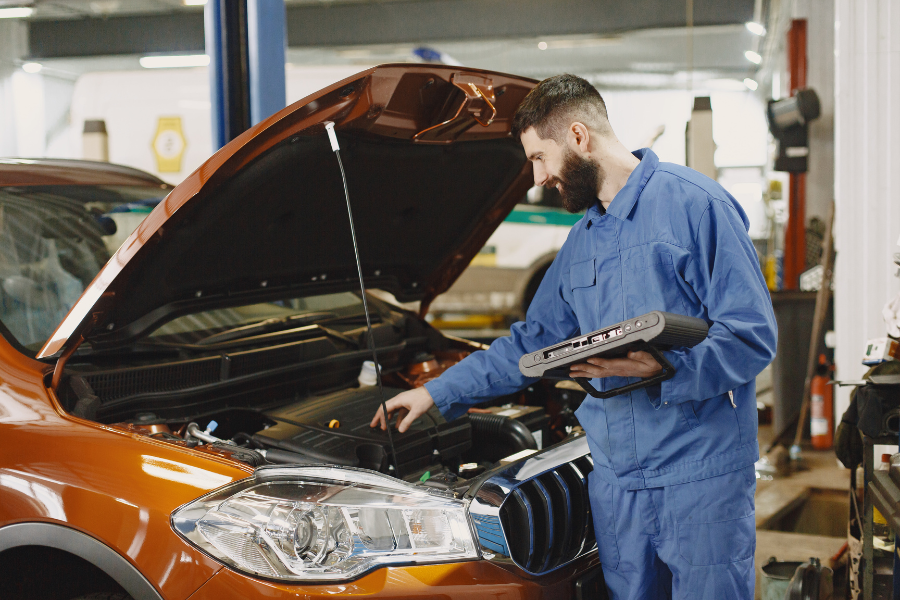
If you’ve come across a vehicle with a salvage title, you might be wondering if it’s possible to transform it into a clean title. While it’s not always straightforward, there are ways to rehabilitate a salvage vehicle, making it roadworthy and possibly increasing its value. Here’s a comprehensive guide on how to navigate this process.
Understanding Salvage and Clean Titles
Before diving into the process, it’s important to understand what these terms mean:
- Salvage Title: This indicates that the vehicle was significantly damaged, either from an accident, flood, or other events. The damage was severe enough that an insurance company declared it a total loss. Salvage titles often come with a history of substantial damage.
- Clean Title: This signifies that the vehicle has not been significantly damaged or repaired to the extent that it was considered a total loss. Clean titles are typically more valuable and desirable.
Steps to Converting a Salvage Title to a Clean Title
- Assess the DamageFirst, evaluate the extent of the damage. A thorough inspection by a qualified mechanic or auto body specialist can reveal whether the vehicle is worth repairing. Look for issues beyond cosmetic damage, such as structural damage or problems with the drivetrain.
- Repair the VehicleIf the vehicle is deemed repairable, the next step is to fix it. Ensure that all repairs meet safety standards. This might involve:
- Structural Repairs: Fixing any structural damage to ensure the vehicle is safe to drive.
- Mechanical Repairs: Replacing or repairing any damaged components like the engine, transmission, or suspension.
- Cosmetic Repairs: Addressing any body damage and painting as necessary to restore the vehicle’s appearance.
- Document All RepairsKeep detailed records of all repairs and parts used. This documentation will be crucial when you submit your vehicle for inspection. Detailed records demonstrate that the vehicle has been repaired properly and safely.
- Get the Vehicle InspectedOnce repairs are complete, the vehicle must undergo a state inspection to ensure it meets safety and emissions standards. The specific inspection requirements can vary by state or country, so check with your local Department of Motor Vehicles (DMV) or equivalent agency for guidelines.
- Obtain a Rebuilt TitleAfter passing inspection, you will need to apply for a rebuilt title. This process involves:
- Submitting Repair Documentation: Provide all repair records and proof of the inspection.
- Filling Out the Required Forms: Complete the necessary paperwork, which can usually be obtained from your local DMV.
- Paying Fees: There may be fees associated with the application process.
- Transfer to a Clean TitleIn some jurisdictions, a rebuilt title is the final step and is as close as you can get to a clean title. However, if you’re aiming for a clean title, you’ll need to check if your state has provisions for further title changes. Generally, a rebuilt title remains on record, but some states may have a process to issue a clean title once the vehicle is proven to be in good condition over time.
Considerations
- State Regulations: Title laws vary significantly between states. Ensure you are familiar with the specific regulations in your area. Some states are stricter than others, and the process may differ accordingly.
- Insurance: Getting insurance for a rebuilt vehicle can sometimes be challenging. Ensure you shop around and find an insurer willing to cover your vehicle.
- Resale Value: Be aware that even with a rebuilt title, the vehicle’s resale value may not reach the same level as one with a clean title. Buyers are often cautious about vehicles with a salvage history.
- Disclosure: Always disclose the vehicle’s history to potential buyers. Transparency helps in building trust and can avoid legal issues down the road.
Conclusion
Transforming a salvage title into a clean title involves thorough repairs, inspections, and documentation. While it’s a process that requires patience and attention to detail, it’s feasible with the right approach. Always stay informed about local regulations and ensure that all repairs are conducted professionally. By following these steps, you can bring a salvage vehicle back to life and potentially enjoy a roadworthy car or increase its value for resale.
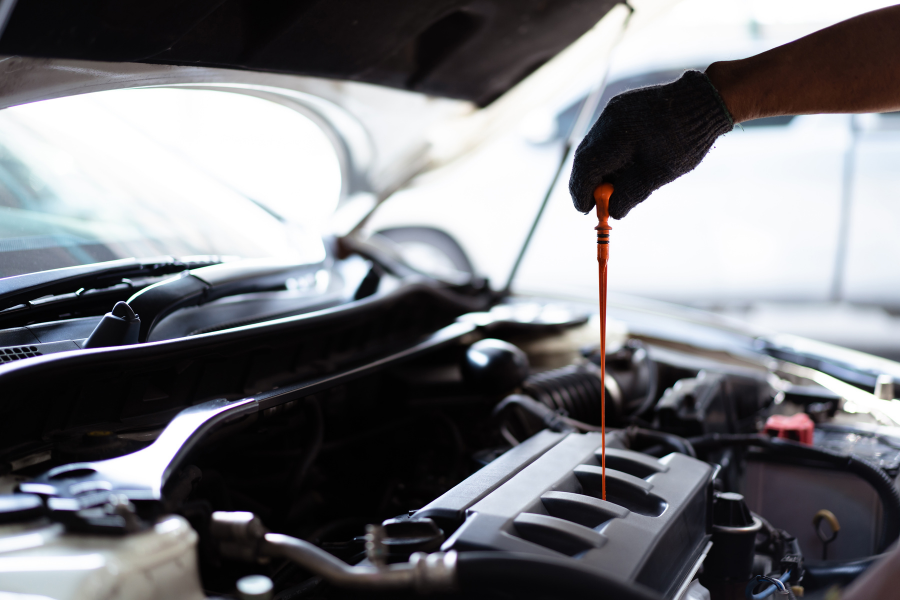
Can you register a salvage title vehicle? When it comes to buying a used car, you’ve likely heard the terms “salvage title” and “clean title.” These labels are crucial as they significantly affect the car’s value, safety, and how you go about registering it. Here’s a comprehensive look at the differences between registering a salvage title car versus a clean title car, and what you should consider in each case.
Understanding Salvage and Clean Titles
Before diving into the registration process, it’s important to understand what these terms mean:
- Clean Title: This indicates that the vehicle has not been involved in any significant accidents, nor has it suffered from any major damage or issues that would affect its reliability. A clean title generally means the car is in good condition and has not been declared a total loss by an insurance company.
- Salvage Title: A salvage title is given to a vehicle that has been significantly damaged, often in a way that the insurance company has deemed it a total loss. This can include severe accidents, flooding, or other major damage. A salvage title indicates that the car has undergone substantial repairs, but it may still have lingering issues that were not fully addressed.
Registration Process: Clean Title vs. Salvage Title
1. Initial Inspection and Documentation
- Clean Title: Registering a car with a clean title is relatively straightforward. You’ll need to provide standard documentation, including the vehicle title, proof of identity, proof of residence, and possibly a bill of sale. An emissions test or safety inspection might also be required, depending on local regulations.
- Salvage Title: The process for a salvage title car can be more complex. Before you can register a salvage vehicle, it often needs to pass a thorough inspection to ensure that it’s roadworthy and safe. This inspection verifies that all repairs were completed according to safety standards. You’ll also need additional documentation, such as repair records, which demonstrate that the car has been fixed properly.
2. Insurance Requirements
- Clean Title: Insurance for a car with a clean title is typically straightforward. Standard policies are available, and premiums are based on the car’s value, age, and other factors.
- Salvage Title: Insuring a salvage title car can be more challenging. Many insurance companies are hesitant to provide coverage for salvage vehicles or may offer only limited coverage. You might need to shop around for insurers who specialize in salvage or rebuilt vehicles. Additionally, your premium may be higher due to the increased risk associated with salvage title cars.
3. Vehicle History and Resale Value
- Clean Title: A car with a clean title generally has a higher resale value and is seen as a more reliable purchase. Its history is transparent, making it easier to attract potential buyers when you decide to sell.
- Salvage Title: Vehicles with salvage titles have a significantly lower resale value. Potential buyers may be wary due to the car’s history and potential hidden problems. Full disclosure is essential when selling a salvage title car to avoid legal issues and ensure transparency.
4. Future Inspections and Compliance
- Clean Title: Once registered, a clean title vehicle typically requires regular maintenance and a vehicle inspection according to state regulations. The process is routine and similar to any other vehicle.
- Salvage Title: After registration, salvage title vehicles might need to undergo periodic inspections to ensure that they remain roadworthy. These inspections can be more frequent or stringent, depending on state laws. It’s crucial to keep up with these requirements to avoid legal or safety issues.
Final Thoughts
Registering a salvage title car versus a clean title car involves different processes and considerations. While a clean title vehicle is generally more straightforward to register and insure, a salvage title vehicle requires additional steps and inspections to ensure it meets safety standards. If you’re considering purchasing a salvage title car, be prepared for a more complex registration process and potential challenges with insurance and resale value.
Always do your due diligence, get a comprehensive inspection, and understand your state’s specific requirements to navigate the registration process smoothly. Whether you’re buying or selling, knowledge is your best tool for handling salvage and clean title vehicles effectively.
Emissions Testing for Salvage Title Vehicles
When it comes to passing an emissions test, a salvage title vehicle faces the same basic requirements as a clean title vehicle, but there are some nuanced differences worth considering. Here’s a detailed look at how a salvage title might impact emissions testing and what you should be aware of.
Emissions Test Overview
An emissions test is designed to ensure that a vehicle’s exhaust system complies with environmental standards and does not emit pollutants above acceptable levels. The specifics of emissions testing can vary depending on local regulations, but generally, it involves checking the vehicle’s exhaust system, catalytic converter, and other components that affect emissions.
Impact of Salvage Title on Emissions Testing
- Condition of Repairs
- Salvage Title Vehicles: One of the key factors affecting emissions testing for salvage title vehicles is the quality of repairs performed. If the vehicle was involved in an incident that affected its emissions system (e.g., a collision or flooding), the repairs must have been completed correctly to meet emissions standards. During the emissions test, the vehicle will be assessed based on its current condition, so any deficiencies or improper repairs can lead to a failed test.
- Clean Title Vehicles: For clean title vehicles, emissions testing focuses on whether the car’s emissions system is functioning correctly. Since these vehicles are typically in better condition and have not undergone major repairs or modifications, they generally face fewer issues during testing.
- Required Repairs and Maintenance
- Salvage Title Vehicles: After a salvage vehicle has been repaired, it may have had components replaced or upgraded. If these repairs included the emissions system, the components used need to be in good working order and compliant with emissions standards. Sometimes, salvaged vehicles may have aftermarket parts or less common components that could affect emissions performance.
- Clean Title Vehicles: Regular maintenance and repairs on clean title vehicles are usually straightforward. Parts are often factory-standard, which simplifies the emissions compliance process.
- Inspection History and Documentation
- Salvage Title Vehicles: Salvage title vehicles often require a more rigorous inspection process before they can be registered. This process may include a detailed review of the repairs performed, including those related to emissions control. Proper documentation of repairs and parts used will be essential for passing both the emissions test and the general inspection if your vehicle has a salvage certificate.
- Clean Title Vehicles: Clean title vehicles do not typically require additional inspections beyond routine emissions testing. They are usually subject to standard requirements and procedures.
- State and Local Regulations
- Salvage Title Vehicles: Emissions testing requirements can vary widely by state and locality. Some regions may have stricter regulations for salvage vehicles, requiring more frequent or detailed testing. It’s important to check local regulations to understand any additional requirements or steps needed for a salvage title vehicle.
- Clean Title Vehicles: Emissions testing standards for clean title vehicles are generally well-established and may be less stringent than those imposed on salvage title vehicles, especially if there are no special conditions.
Preparation Tips for Emissions Testing
For both salvage and clean title vehicles, proper preparation can help ensure a successful emissions test:
- Regular Maintenance: Keep up with regular maintenance, including oil changes, air filter replacements, and ensuring that the exhaust system is in good condition.
- Pre-Test Check: Have a mechanic inspect the vehicle before the emissions test, especially if it’s a salvage title car. This can help identify and address any issues that might cause a failure.
- Documentation: For salvage title vehicles, ensure that all repair work is documented and that you have records of any parts replaced or modifications made. This can be useful during the inspection and testing process.
- Address Issues Promptly: If the emissions test fails, address the issues as soon as possible. Common problems include malfunctioning oxygen sensors, catalytic converters, or exhaust leaks.
Final Thoughts
While a salvage title vehicle doesn’t inherently affect the emissions test in terms of standards or procedures, the history of damage and subsequent repairs can impact its ability to pass. Ensuring that the vehicle is in good condition and has had proper repairs done to the emissions system is crucial. Whether you’re dealing with a salvage or clean title vehicle, staying on top of maintenance and being prepared for the test can help you navigate emissions testing smoothly.

When you’re in the market for a car, you might come across vehicles with salvage titles. These are cars that have been declared a total loss by an insurance company but have been repaired and are back on the road. If you’re considering buying one, you might wonder about the cost of insuring such a vehicle compared to a clean title car. The short answer is that insuring a salvage title car generally costs more, and here’s why.
What Is a Salvage Title?
A salvage title is given to a vehicle that has been deemed a total loss by an insurance company due to significant damage or theft. After the car has been repaired and passes a state inspection, it can be rebranded as a rebuilt or restored vehicle. However, it retains the salvage title designation.
Factors Influencing Insurance Costs for Salvage Title Cars
- Higher Risk for InsurersCar insurance companies view salvage title cars as higher risk due to their past damage. Even after repairs, there’s uncertainty about the car’s overall integrity and long-term reliability. This increased risk can translate into higher car insurance premiums. Insurers are concerned about the potential for future mechanical issues or safety problems, which could lead to more frequent claims.
- Potential for Hidden DamageDespite repairs, some damage might not be immediately visible or might not have been properly fixed. Insurers worry about hidden issues that could arise later, affecting the vehicle’s safety and functionality. This uncertainty prompts them to charge higher premiums to mitigate the potential costs of future claims.
- Lower Resale ValueSalvage title cars typically have a lower resale value compared to clean title vehicles. In the event of a claim, the insurer might have to pay out less than it would for a car with a clean title. To cover this potential loss, insurers often adjust premiums to balance their risk.
- Difficulty in Repair and Replacement CostsFinding replacement parts for a salvage car can sometimes be more challenging and expensive. Additionally, specialized repairs might be needed to address issues not immediately apparent. Auto insurance companies factor these potential costs into their pricing, leading to higher premiums for salvage title vehicles.
- Legal and Safety ConcernsSome insurers have legal and safety concerns regarding salvage title cars. The history of the vehicle might involve significant issues that could affect its roadworthiness. These concerns can lead insurers to impose higher premiums to cover any potential legal or safety-related costs.
- Limited Coverage OptionsNot all insurance companies offer coverage for salvage title cars, and those that do might offer only limited coverage options. Limited coverage options can lead to higher costs because the insurance company may need to price in the additional risk associated with offering coverage on such vehicles.
Tips for Insuring a Salvage Title Car
Owning a car with a salvage title comes with its own set of challenges, including higher insurance premiums. Salvage title cars—those previously declared a total loss by an insurer but later repaired and restored—often cost more to insure due to their history of significant damage. However, there are strategies you can use to help lower the cost of insuring your salvage title vehicle. Here’s a guide to navigating the complexities of insurance for these cars while keeping your premiums manageable.
1. Shop Around for the Best Rates
Not all insurance companies offer the same rates for salvage title vehicles. Some insurers specialize in or have more experience with salvage title cars and might offer more competitive rates. Take the time to compare quotes from multiple providers. Online comparison tools and insurance brokers can be helpful in finding the best car insurance deal tailored to your specific situation.
2. Opt for Liability-Only Coverage
Depending on the value of your salvage title car, full coverage might not be the most cost-effective option. Consider liability-only coverage, which includes only the mandatory coverage for bodily injury and property damage to others in the event of an accident. This type of policy is often cheaper but provides less protection for your own vehicle. It’s a viable option if your car’s value doesn’t justify the cost of comprehensive and collision coverage.
3. Increase Your Deductible
One way to lower your insurance premium is by increasing your deductible. The deductible is the amount you pay out of pocket before your insurance coverage kicks in. By choosing a higher deductible, you can reduce your monthly or annual premium. Just ensure you have enough savings to cover the higher deductible in the event of a claim.
4. Maintain a Clean Driving Record
Your driving history plays a significant role in determining your insurance rates. A clean driving record with no accidents or traffic violations can make you a less risky driver in the eyes of insurers. Safe driving not only helps in maintaining lower premiums but also reflects positively on your overall risk profile.
5. Take Advantage of Discounts
Insurance companies often offer various discounts that can help lower your premium. Some common discounts include:
- Multi-Policy Discount: Bundling your car insurance with other policies, such as home or renters insurance, can often lead to savings.
- Safe Driver Discount: If you’ve completed a defensive driving course or have a clean driving record, you might qualify for this discount.
- Low Mileage Discount: If you drive your salvage title car infrequently, you may be eligible for a discount based on low annual mileage.
Check with your insurer to see which discounts you might qualify for and make sure you’re taking full advantage of them.
6. Improve Your Vehicle’s Safety Features
Enhancing the safety features of your vehicle can also lead to lower insurance costs. Installing anti-theft devices, updated security systems, and advanced safety features like automatic braking or lane departure warnings can make your car less risky to insure. Provide documentation of these upgrades to your insurer, as they may offer discounts based on improved safety and security.
7. Keep Up with Regular Maintenance
Regular maintenance and timely repairs can help keep your salvage title car in good condition, reducing the likelihood of future claims. Insurers may view well-maintained vehicles as lower risk, potentially leading to lower premiums. Keep records of all maintenance work and repairs to show your insurer that you’re taking good care of your vehicle.
8. Consider Usage-Based Insurance
Some insurers offer usage-based or pay-as-you-drive insurance policies. These policies use telematics devices to monitor your driving habits, such as speed, braking, and mileage. If you demonstrate safe driving behavior, you could qualify for lower rates. This can be a good option if you drive your salvage title car cautiously and infrequently.
9. Review Your Coverage Annually
Insurance needs can change over time, and so can your rates. Review your coverage annually to ensure it still meets your needs and is cost-effective. As your salvage title car ages or as your driving habits change, you might find opportunities to adjust your coverage and save on premiums.
10. Provide Documentation
Ensure you have all necessary documentation about the repairs and restoration of the vehicle. This can help prove the car’s safety and might assist in negotiating better insurance rates.
Conclusion
Insuring a salvage title car often costs more due to the higher risks and uncertainties involved. Factors like hidden damage, lower resale value, and potential repair issues all contribute to the increased premiums. However, by shopping around for insurance and considering different coverage options, you can manage these costs effectively. If you’re willing to take on the risks associated with a salvage title car, understanding the insurance implications can help you make an informed decision and keep your expenses in check.

Purchasing a salvage title vehicle can be a smart financial decision for many car buyers. These vehicles, which have been repaired after significant damage, often come at a lower price than their clean-title counterparts. However, one important consideration before finalizing your purchase is understanding how to secure the best car insurance for a salvage title car. Here’s a detailed look into whether you can get car insurance for a salvage vehicle and how to navigate the process to find the best car insurance companies for your new vehicle.
What is a Salvage Title?
A salvage title is issued to a vehicle that has been deemed a total loss by an auto insurance company, usually due to major damage from an accident, flood, or other incidents. After the necessary repairs, the car may be given a rebuilt title or restored title, which indicates it’s roadworthy again. However, the salvage title status often remains on the vehicle’s record.
Can You Get Insurance for a Salvage Title Car?
Yes, you can get insurance for a salvage title car, but there are some nuances to consider. Insuring a salvage title vehicle can be more complex compared to a car with a clean title, primarily due to the history of substantial damage and potential future issues. Here’s how to approach insuring a salvage title car:
1. Types of Insurance Coverage
- Liability Insurance: This is the most basic type of insurance and is usually required by law. It covers damages to other vehicles or property if you’re at fault in an accident. Most insurers will provide liability coverage for salvage title vehicles.
- Comprehensive and Collision Coverage: These types of insurance are more challenging to secure for salvage title vehicles. Comprehensive coverage protects against non-collision damages like theft or natural disasters, while collision coverage handles damages from accidents. Some insurers might be hesitant to offer these coverages for salvage title cars due to perceived risk and lower resale value.
- Full Coverage: Combining comprehensive and collision coverage under a full coverage policy might be available, but it depends on the insurer. Salvage title vehicles often face higher premiums and coverage limitations.
2. Finding Insurance Providers
- Specialized Insurers: Some insurance companies specialize in high-risk or salvage title vehicles. They understand the unique aspects of these vehicles and may offer coverage options that more traditional insurers might not.
- Local and Regional Insurers: Regional insurance companies or those with a strong presence in your area might have more flexible policies regarding salvage title cars. In Utah, for example, companies like Farmers Insurance, State Farm, and Progressive may have different policies on salvage title vehicles.
- Online Platforms: Online insurance marketplaces can help you compare quotes from multiple insurers. Websites like The Zebra, Compare.com, or even specific insurance company sites can provide insights into coverage options for salvage title vehicles.
3. Required Documentation
When applying for insurance on a salvage title car, be prepared to provide the following:
- Title Documentation: Proof of the vehicle’s salvage and rebuilt titles. You should have access to the salvage certificate for any motor vehicle even if it is a restored salvage vehicle.
- Repair Records: Detailed records of the repairs and inspections the vehicle has undergone from the current vehicle owner. Understand whether it is a rebuilt car or what the salvage history is.
- Inspection Reports: Some insurers may require an inspection report to verify the vehicle’s condition before issuing coverage.
4. Premiums and Coverage Limitations
- Higher Premiums: Expect higher premiums for insurance on salvage title cars due to the increased risk. Insurers often consider these vehicles as higher risk due to their damage history.
- Coverage Limitations: Be aware that some insurers might impose coverage limitations or exclusions on salvage title vehicles. These might include lower coverage limits or higher deductibles.
5. State Regulations and Requirements
Insurance regulations can vary by state. In Utah, insurance requirements for salvage title vehicles align with state regulations, but individual insurers may have their own rules. It’s important to check with local insurance providers and understand any state-specific requirements.
Tips for Insuring a Salvage Title Car
- Shop Around: Get quotes from multiple insurers to compare coverage options and premiums. Each company has different policies regarding salvage title vehicles, so shopping around can help you find the best deal.
- Provide Complete Information: Be thorough and honest about the vehicle’s history and condition when applying for insurance. Providing complete documentation can help in securing the right coverage.
- Consider a Specialist Broker: An insurance broker who specializes in salvage title vehicles can offer valuable advice and help you find suitable coverage options.
- Review Policy Terms Carefully: Ensure you understand the terms of the policy, including any exclusions or limitations related to the salvaged title status.
Conclusion
Getting insurance for a salvage title car is certainly possible, though it may require some extra effort compared to insuring a vehicle with a clean title. By understanding the types of coverage available, finding the right insurers, and providing necessary documentation, you can secure insurance for your salvage title vehicle. Be prepared for higher premiums and potential coverage limitations, and always shop around to find the best policy for your needs.
If you have further questions or need assistance, consider reaching out to local insurance agents or brokers who can provide personalized guidance based on your specific situation. If you have questions about a salvage car, rebuilt title car, totaled car, or a damaged vehicle of any kind head over to Summit Auto Sales in Orem, Utah. Happy driving, and best of luck with your salvage title vehicle!
When it comes to buying a car, the term “salvage title” often stirs up a mix of curiosity and concern. Salvage title vehicles are cars that have been deemed a total loss by insurance companies due to severe damage, theft, or other significant issues. Despite the risks, these cars can offer a substantial bargain for buyers willing to take on some extra scrutiny and potential repairs. In this blog post, we’ll explore what kind of discounts you can expect on salvage title cars, the average salvage title discount on different vehicles, and what factors influence these discounts.
What Is a Salvage Title?
Before diving into discounts, it’s essential to understand what a salvage title means. A salvage title is issued to a vehicle that has been damaged to the point where the cost of repair exceeds its pre-damage value. Once a car is repaired and passes a state inspection, it can be rebranded as a “rebuilt” or “reconstructed” title vehicle.
It is also important to remember that a totaled car and a branded title car represent different stages in a vehicle’s lifecycle with significant distinctions. A totaled car, or a car deemed a total loss, is one that an insurance company has declared beyond economical repair following severe damage from an accident, theft, or natural disaster. The vehicle is often sold from a salvage yard at salvage auctions, and its title remains “salvage” until it is repaired and re-inspected. On the other hand, a branded title car is one that has undergone necessary repairs, passed a state inspection, and been rebranded with titles such as “rebuilt” or “reconstructed.” While both types of vehicles come with histories of significant damage, a branded title car has typically been restored to a roadworthy condition, whereas a totaled car is still in its salvage state until repaired.
Average Discount on Salvage Title Cars
On average, salvage title cars can be purchased for 30% to 60% less than their clean title counterparts. This salvage value range can vary based on several factors:
- Severity of Damage: Cars with extensive damage or those that required major repairs typically offer deeper discounts. If a vehicle was involved in a significant accident or flood, the discount might be higher due to potential long-term issues.
- Make and Model: High-end or luxury vehicles might have a smaller discount compared to economy cars. This is because the repair costs for luxury vehicles can be higher, but the initial cost is also significantly more, so buyers might be more cautious with these.
- Repair Quality: The quality of the repairs can greatly impact the discount. A well-repaired car with high-quality parts might not be discounted as heavily as one with subpar repairs.
- Market Demand: Local market conditions play a role. In some areas, a salvage title vehicle might be more common, leading to smaller discounts. Conversely, in areas where a salvage car is less common, discounts might be more pronounced to attract buyers.
- Inspection and Documentation: Comprehensive documentation and a clean inspection report can reduce the discount. Buyers are willing to pay a bit more if they know the repairs were done properly and the vehicle is in good working condition.
Why Such a Significant Discount?
The large discount associated with salvage cars is primarily due to the perceived risk. Buyers are concerned about potential hidden issues that may arise from the damage or repairs. Car insurance companies are also wary of covering these vehicles, which can make them less attractive to potential buyers.
Tips for Buying Salvage Title Cars
- Get a Pre-Purchase Inspection: Always have a trusted mechanic inspect the vehicle to assess the quality of repairs and identify any potential issues.
- Check Repair Records: Ensure you review detailed repair records to understand the extent of the damage and repairs made.
- Verify the Title Status: Confirm that the vehicle has a rebuilt title if it has been repaired and cleared for road use. If so it should have a salvage certificate available for you.
- Research Market Value: Compare prices of similar clean title vehicles to ensure you’re getting a fair deal based on the discount. Understanding this difference will help you know its resale value/actual cash value down the road if you want to sell it as well
- Consider Insurance Implications: Some insurance companies may be reluctant to offer full coverage on salvage title cars, so check with your insurer beforehand.
Conclusion
Buying a salvage title car can be a smart financial move if you’re prepared to handle the risks and do your due diligence. The average discount of 30% to 60% can make these cars an attractive option for those looking for a bargain, but it’s crucial to approach the purchase with caution. By thoroughly inspecting the salvage vehicle, understanding the repair history, and checking insurance implications, you can find a salvage title car that fits your needs and budget while potentially saving a significant amount of money.