


Buying a car with a salvage title can be an appealing option due to its lower price, but it comes with certain risks and challenges. Salvage title vehicles are typically those that have been previously damaged to the point of being declared a total loss by an insurance company. While the car may have been repaired and restored to working condition, it’s crucial to understand that a salvage title vehicle can carry hidden issues that regular cars don’t face.
If you’re driving a salvage title car, regular maintenance and inspections are even more important. In this blog post, we’ll discuss how often you should have a mechanic look at your salvage title vehicle and why it’s so important to stay on top of maintenance.
1. Understanding Salvage Title Vehicles
Before diving into the inspection schedule, it’s important to understand what a salvage title means. A car is given a salvage title when it has been in a major accident, stolen and recovered, or damaged by a natural disaster like flooding. The damage is typically significant enough that the insurance company considers the car a total loss and declares it uneconomical to repair.
After repairs are made, the car is given a rebuilt title, but it often retains the “salvage” designation in some states. This means that while the vehicle may be running fine now, it may have hidden structural or mechanical issues that need to be monitored closely over time.
2. Why Frequent Inspections Are Essential for Salvage Title Vehicles
A salvage title car may have undergone extensive repairs, and while those repairs might have restored the vehicle to functional status, the repairs may not always meet the same quality standards as factory work. This means that certain components may be more prone to failure or wear and tear.
Here’s why regular mechanic check-ups are particularly important for salvage title vehicles:
- Structural Integrity: The car may have suffered damage to the frame or chassis, which can compromise its safety. These issues might not be immediately apparent and could worsen over time.
- Quality of Repairs: While some salvage title cars are professionally rebuilt, others may have been repaired by less skilled individuals or using substandard parts. These repairs could lead to issues down the line.
- Unforeseen Damage: Even after repairs, there could be other hidden damage that didn’t surface immediately after the accident or that worsens over time due to stress on the repaired parts.
- Wear on Components: Certain parts, like suspension, brakes, and steering systems, may wear out more quickly after being repaired. These components are crucial for safety and can be impacted by previous damage.
3. How Often Should You Have a Mechanic Inspect a Salvage Title Vehicle?
While every car is different, and the condition of a salvage title vehicle can vary greatly depending on the extent of previous damage and the quality of repairs, a general inspection schedule for salvage title vehicles would look like this:
Initial Post-Purchase Inspection (Right After Buying the Car)
Before you even start driving your salvage title vehicle regularly, have it thoroughly inspected by a trusted mechanic. This safety inspection should cover the car’s major systems and components, including:
- Frame and Body: Inspect for any hidden damage or signs of structural issues that might not be immediately visible.
- Engine and Transmission: Check for any leaks, unusual noises, or signs of poor performance that could indicate lasting damage from the accident.
- Suspension and Steering: Assess the suspension system, alignment, and steering to ensure that no components were weakened during the crash.
- Braking System: Have the mechanic check the brakes for wear, as damaged braking components could fail unexpectedly.
- Electrical System: Look for faulty wiring, electrical malfunctions, or signs of water damage, especially if the car was in a flood.
Every 3 to 6 Months: Ongoing Inspections
Once you’ve purchased the vehicle and had the initial inspection, it’s recommended to have the car looked at every 3 to 6 months, depending on the age and condition of the car. Salvage title vehicles can develop problems faster than regular cars, and regular inspections can help catch any emerging issues early.
During these visits, the mechanic should:
- Check for Leaks: Oil, coolant, and other fluid leaks can occur if parts were poorly repaired or if there is unseen damage to the car’s seals and gaskets.
- Inspect the Tires: Because salvage title cars might have been driven through harsh conditions, tire wear could be uneven or faster than normal.
- Examine the Brake Pads and Rotors: Brakes are especially important for salvage vehicles that may have experienced impact in accidents. Make sure everything is in good working order.
- Monitor for Unusual Sounds or Handling Issues: Pay attention to any strange noises from the engine, suspension, or brakes, as these can be indicators of problems.
- Assess Electrical Systems: Since salvage title cars may have electrical wiring issues from previous damage, it’s essential to have the electrical systems checked regularly.
Annual Comprehensive Inspection
At least once a year, take your salvage title car for a comprehensive inspection. During this inspection, your mechanic will check all the systems in-depth, ensuring that any long-term effects of the vehicle’s prior damage haven’t caused new problems.
Focus Areas During Annual Inspections:
- Structural Components: Ensure the frame and chassis remain intact, with no signs of further weakening or damage.
- Engine and Transmission Performance: Ensure that the engine and transmission are running smoothly, and check for signs of wear that could lead to bigger issues.
- Alignment and Suspension: Ensure that your car is properly aligned, and that the suspension components haven’t been compromised, as these can affect both handling and safety.
- Safety Features: Check airbags, seatbelt functionality, and other safety systems to ensure they are in good working order.
4. Additional Considerations for Salvage Title Vehicles
Aside from regular mechanic inspections, here are some additional tips for owning a salvage title vehicle:
- Keep Records: Always keep a record of any repairs and inspections, as this will help you track the condition of the car and ensure you’re keeping up with necessary maintenance.
- Drive with Caution: While your car might have been rebuilt, it’s still wise to drive cautiously. Avoid aggressive driving or pushing the car to its limits, especially if you’re unsure about its structural integrity.
- Know When to Sell: If the vehicle starts showing more signs of wear and tear or presents significant safety concerns, it might be worth considering selling it before the costs of repairs start to outweigh its value.
Conclusion
Owning a salvage title vehicle can be a great way to save money, but it requires extra care and attention to ensure it remains safe and functional. Make sure you contact your car dealer or previous vehicle owner to gather all the information you will need. Having your vehicle history report and understanding why it is a salvaged car can help you understand the expected repair cost that will most likely come with it. Frequent inspections by a skilled and certified mechanic—especially after an initial post-purchase check—are crucial for keeping the car in good condition and preventing major issues down the road. By committing to regular inspections and maintenance, you can help extend the lifespan of your salvage title vehicle and ensure your safety while driving. Always be proactive about repairs, and don’t hesitate to consult your mechanic if you notice any unusual symptoms. Regular maintenance is the key to protecting your investment and keeping your salvage title car running smoothly.

Winter can be harsh on your car. From freezing temperatures to road salt, snow, and ice, the cold season poses unique challenges for vehicle owners. However, with some proactive steps, you can minimize the weather-related damage to your car and keep it running smoothly throughout the winter months. In this blog post, we’ll explore several practical tips to help you protect your vehicle and ensure it stays in top condition during the colder season.
1. Wash and Wax Your Car Regularly
One of the most effective ways to protect your car’s exterior from winter weather is by keeping it clean and well-protected. Salt from the roads, combined with slush and grime, can corrode your car’s paint and undercarriage over time. Regularly washing your car removes these harmful substances before they can cause damage.
Tip: Use a car-specific wax after washing to create an additional protective barrier. Wax provides a layer of protection against water and road salt, making it harder for these elements to damage the paint. Aim to wash your car at least once every two weeks in the winter months, and more frequently if you live in an area with heavy snowfall or salt usage.
2. Protect Your Car’s Undercarriage
The undercarriage of your car is particularly vulnerable in winter, as road salt and grime can accumulate and cause rust and corrosion over time. To prevent this, consider getting an undercarriage wash during your regular car wash. Many car washes offer this as an additional service, and it’s a great way to remove any salt or debris that may have built up underneath your car.
Tip: You can also apply a rust-proofing treatment to the undercarriage before winter sets in. This coating will help protect the metal parts from corrosion caused by road salt and moisture.
3. Check Your Tires and Maintain Proper Tire Pressure
Winter weather can be unpredictable, and the last thing you want is to get stuck in snow or ice with tires that aren’t ready for the conditions. It’s essential to check your tires regularly to ensure they’re in good condition. In winter, tires can lose pressure due to the cold, which can decrease their effectiveness and handling.
Tip: Check your tire pressure monthly and make sure your tires have adequate tread depth for winter driving. If you live in an area with harsh winters, consider switching to winter tires. These tires are designed to offer better grip and traction on snow and ice.
4. Use the Right Engine Oil
Cold temperatures can thicken motor oil, making it harder for your engine to start and run smoothly. To help prevent this, switch to a winter-grade oil with a lower viscosity that flows more easily in colder temperatures. Check your car’s owner manual to ensure you’re using the recommended oil for winter months.
Tip: Consider getting your oil changed before the winter season begins. Fresh oil helps keep your engine running smoothly, reducing the strain on components when you start your car on frigid mornings.
5. Check the Battery and Charging System
Freezing temperatures can drain a battery’s power, leading to starting issues or a complete failure, especially if your battery is already old or weakened. Cold weather puts additional stress on the battery, making it crucial to keep it in good condition throughout the winter.
Tip: Have your battery checked before winter hits. Many auto shops offer free battery tests to ensure your battery can handle the cold. If your battery is over three years old or showing signs of wear, consider replacing it before the weather turns.
6. Maintain Your Windshield Wipers and Washer Fluid
Snow and ice can quickly build up on your windshield, impairing visibility and driving safety. Make sure your windshield wipers are in good condition and that your windshield washer fluid reservoir is full with a solution designed for winter use, as regular fluid can freeze in cold temperatures.
Tip: Replace your wiper blades if they’re worn or damaged. Consider switching to winter wiper blades, which are designed to handle snow and ice more effectively. Also, use a de-icing windshield fluid to keep your wipers and windshield clear during the cold months.
7. Keep Your Gas Tank Full
In winter, it’s important to keep your gas tank at least half full at all times. This helps prevent the fuel lines from freezing, which can cause engine problems. Plus, in case of an emergency where you get stuck in snow or traffic, a full gas tank will ensure you have enough fuel to keep the car running and warm.
Tip: Avoid letting your gas tank dip too low, as condensation can build up in an empty tank and lead to water in the fuel system. Keeping your tank full also helps maintain a consistent engine temperature.
8. Use a Car Cover or Park in a Garage
If your car will be exposed to heavy snow, ice, or freezing rain, consider using a car cover. A good-quality, weatherproof car cover will shield your vehicle from ice accumulation, reducing the time it takes to clear snow and protecting the paint from damage.
Tip: If you have access to a garage or carport, park your car inside whenever possible. This will protect your vehicle from freezing temperatures and the wear and tear caused by exposure to the elements. A garage also keeps your car’s interior warmer, reducing the risk of frozen locks, windows, or doors.
9. Prevent Frozen Door Locks
Frozen locks are a frustrating problem many drivers encounter during the winter months. If your locks freeze, you might not be able to access your car, which is not only inconvenient but potentially dangerous if you’re in a hurry.
Tip: Use a lubricant like graphite or silicone spray on your locks before the temperature drops. Avoid using oil-based lubricants, as they can attract dirt and grime, which can make the problem worse over time.
10. Keep an Emergency Kit in Your Car
While this isn’t directly related to preventing damage, it’s always wise to be prepared for winter emergencies. In case you get stuck in snow, ice, or freezing temperatures, an emergency kit can be a lifesaver.
What to include in your winter emergency kit:
- Blankets or warm clothing
- Non-perishable snacks and water
- A flashlight with extra batteries
- Jumper cables
- Sand or kitty litter for traction
- A snow shovel
- A scraper and de-icer
- A first aid kit
Conclusion
Winter weather can be tough on your car, but with a little planning and maintenance, you can protect it from many common winter-related issues. Regular washing, proper tire maintenance, and ensuring that your battery and fluids are in good condition will go a long way in minimizing the damage caused by cold temperatures and icy roads. Taking the time to winterize your vehicle not only helps prolong its life but also ensures that you stay safe and comfortable throughout the season. By following these simple tips, you can make sure your car is ready to face whatever winter throws its way.

When it comes to trading in a car with a salvage title, many drivers face the challenge of finding a buyer willing to accept it. Salvage title cars have been significantly damaged and repaired, making them less desirable to many buyers and traditional dealerships. However, some popular car buying sites and platforms will accept these vehicles in trade-ins or purchases, offering an opportunity to sell your salvage title car quickly. Here’s a look at the most well-known sites that will take a salvage title trade-in.
1. Carvana
Why Choose Carvana?
Carvana has quickly become one of the most popular online car buying platforms due to its hassle-free process and transparency. While Carvana typically prefers vehicles in good condition, they are known for accepting salvage title cars, especially if the vehicle is repairable or still running.
Key Features:
- Salvage Title Acceptance: Carvana does accept salvage title vehicles, but you’ll need to provide all necessary documentation about the repairs and the condition of the car.
- Free Pickup: Carvana offers free pickup of your vehicle, making the process of selling your car easy and convenient.
- Online Process: The entire process, from getting an offer to finalizing the sale, can be done online, saving you time and effort.
How It Works:
You can visit Carvana’s website, input details about your car (including its salvage title status), and receive an instant offer. If you agree, Carvana will schedule a free pickup, and you’ll receive payment.
2. Vroom
Why Choose Vroom?
Vroom is another popular online car-buying service that simplifies the process of selling your car. They are known to accept cars with salvage titles, especially if the car is in working condition. Vroom offers a fast, no-hassle experience for selling cars, including those with salvage titles.
Key Features:
- Salvage Title Acceptance: Vroom accepts cars with salvage titles as long as they meet certain conditions.
- Fast Online Offer: Like Carvana, Vroom offers an easy online process where you can get an offer within minutes.
- Free Pickup: Once you accept the offer, Vroom will handle the pickup and transportation of your vehicle at no additional cost.
How It Works:
You can go to Vroom’s website, enter the vehicle details (including salvage title information), and get an instant offer. If you accept, they’ll arrange for free pickup and pay you directly.
3. Shift
Why Choose Shift?
Shift is a car buying and selling platform that operates in select areas and focuses on providing a transparent, straightforward experience. While Shift doesn’t specialize in salvage title vehicles, they may accept them on a case-by-case basis depending on the condition of the vehicle and its marketability.
Key Features:
- Salvage Title Vehicles Considered: Shift may consider buying cars with salvage titles, especially if they are in good working condition and repairable.
- Home Test Drives: One of Shift’s unique features is their home test drive service, which allows you to have a Shift representative visit your home to inspect your vehicle.
- Competitive Offers: Shift offers competitive pricing and can sometimes offer a higher price than traditional dealerships.
How It Works:
You can get started by submitting your car details through Shift’s website. After reviewing your car’s condition (including salvage title status), they’ll provide an offer. Shift representatives may schedule an inspection to confirm the car’s condition before finalizing the offer.
4. AutoTrader
Why Choose AutoTrader?
AutoTrader is one of the largest online car marketplaces in the U.S. While AutoTrader itself does not directly purchase cars, it allows you to list your car for sale, including those with salvage titles. The platform connects buyers and sellers, giving you a chance to sell your salvage title car directly to interested buyers.
Key Features:
- Direct Listing: You can list your salvage title vehicle for sale and specify its condition, including the fact that it has a salvage title.
- Large Buyer Pool: With millions of visitors each month, AutoTrader provides exposure to a large pool of potential buyers, including those specifically looking for salvage title vehicles.
- Flexibility: You can choose to sell your car for cash or trade it in through a local dealership that partners with AutoTrader.
How It Works:
To sell your salvage title car on AutoTrader, you’ll need to create an account, list your car with details about its condition, and set a price. Interested buyers will contact you directly, and you can negotiate a sale.
5. CarGurus
Why Choose CarGurus?
CarGurus is another popular car marketplace that allows users to list cars for sale, including salvage title vehicles. While CarGurus doesn’t buy cars directly, it connects sellers with buyers who may be willing to purchase salvage title cars, particularly if the price is right.
Key Features:
- Listing Platform: You can list your salvage title vehicle and provide detailed information to help attract potential buyers.
- Buyer Filtering: CarGurus has an extensive network of buyers who filter listings based on specific needs, including salvage title cars.
- Price Guidance: CarGurus offers pricing data and recommendations to help you set a competitive and fair price for your salvage title car.
How It Works:
After creating a CarGurus account and listing your car, you’ll receive inquiries from interested buyers. You can negotiate directly with buyers and complete the transaction through the platform.
6. Peddle
Why Choose Peddle?
Peddle is an online platform that buys cars directly from sellers, including those with salvage titles. Peddle offers cash offers for cars in any condition, and they are often willing to buy vehicles with salvage titles, even if they aren’t in perfect shape.
Key Features:
- Salvage Title Acceptance: Peddle accepts cars with salvage titles, no matter the condition, as long as they meet certain requirements.
- Quick Offers: Peddle provides an instant offer online after you enter your vehicle details.
- Free Towing: Once you accept the offer, Peddle arranges free towing to pick up the car, no matter its condition.
How It Works:
To sell your salvage title car, simply visit Peddle’s website, provide details about the car, and receive an instant cash offer. If you accept, Peddle will arrange for free towing and send payment once the car is picked up.
7. We Buy Any Car
Why Choose We Buy Any Car?
We Buy Any Car is a well-known national car buying service that prides itself on buying cars quickly, including those with salvage titles. The company offers a simple process that provides fast cash for cars in any condition, including salvage title vehicles.
Key Features:
- Salvage Title Cars Accepted: We Buy Any Car is willing to buy cars with salvage titles, offering fair prices based on the condition and market value.
- Quick and Easy Process: The process is straightforward and involves submitting your car’s details online, receiving an offer, and scheduling an appointment for an inspection.
- Convenience: We Buy Any Car offers a convenient solution for those looking to sell a salvage title vehicle quickly, with no hassle.
How It Works:
You can start by visiting the We Buy Any Car website and entering your vehicle information, including its salvage title status. After receiving an offer, you schedule an appointment for an inspection and get paid on the spot if you accept the offer.
Final Thoughts
If you’re looking to trade in or sell a salvage title vehicle, the options listed above provide convenient ways to connect with buyers who are willing to consider cars with salvage titles. While some platforms like Carvana and Vroom make direct offers for salvage title cars, others like AutoTrader and CarGurus connect you with potential buyers who may be looking for a project car or a discounted vehicle.
Before listing your car on any of these platforms, make sure you have all the necessary documentation, including repair records and the salvage title itself. While these sites offer opportunities to sell or trade your car, understanding the value of your vehicle (which may be lower due to the salvage title) is key to getting a fair deal.
If you need to talk to a car dealer who knows about things like salvage auction, certified pre owned vehicles, title transfer, salvage value, or want to see active inventory on the lot, come down to Summit Auto Sales in Orem, Utah to check it out.

As we step into 2025, the car market is facing significant shifts due to a combination of economic factors, technological advancements, and evolving consumer preferences. If you’re planning to buy a new or used car in the near future, it’s important to understand what’s driving these changes and how they might impact car prices. From supply chain issues to new car technologies, the market is expected to look quite different in 2025 than it does today in 2024.
Let’s take a deep dive into the factors influencing car prices and what you can expect from the market in 2025 compared to 2024.
1. Supply Chain Stability and Production Recovery
One of the biggest influences on car prices in recent years has been the disruption of global supply chains, especially during and after the COVID-19 pandemic. Shortages of microchips and key automotive parts, such as semiconductors, have led to production delays, which in turn resulted in fewer cars available for sale. As a result, car prices surged due to high demand and limited supply.
By 2025, many analysts predict that the automotive supply chain will have largely recovered. With semiconductor production ramping up and manufacturing facilities bouncing back, automakers will be able to produce more vehicles at a faster pace. This means that the car market will likely see a more balanced supply and demand situation, which could lead to a moderation of prices compared to 2024.
In 2024, car prices will likely remain elevated as supply chain disruptions continue to ease, but they may not drop significantly. By 2025, however, the expected stabilization in supply chains could lead to lower new car prices, especially for mainstream models.
2. Electric Vehicle (EV) Adoption and Incentives
The electric vehicle (EV) market is poised for significant growth in the coming years. In 2025, we expect to see a dramatic increase in EV production, with many manufacturers planning to expand their electric fleets. More affordable EV models from major automakers such as Ford, General Motors, and Hyundai will be hitting the market, while new players like Tesla and Rivian continue to innovate.
EV prices are expected to become more competitive, especially as battery technology improves and economies of scale are realized. In 2024, EVs are still relatively expensive, although government incentives and rebates are helping make them more affordable for consumers. By 2025, however, as production costs decrease and more budget-friendly options enter the market, EV prices should become more accessible to a wider audience. This could lead to a decrease in the price gap between traditional internal combustion engine (ICE) vehicles and electric models.
If you’re planning to buy an EV, 2025 may offer more options at lower prices compared to 2024, thanks to these advancements. At the same time, government incentives for EVs and green vehicles are expected to continue, making electric cars even more attractive financially.
3. Used Car Market Trends
In 2024, the used car market remains volatile due to lingering supply chain issues and strong demand for used vehicles. As new car production catches up and more vehicles become available for sale, used car prices are expected to stabilize somewhat. However, they will likely remain high compared to pre-pandemic levels, as consumers continue to turn to the used market for more affordable options.
Looking to 2025, the used car market should become less expensive as the new car market recovers and more vehicles are available for trade-in. The influx of off-lease and rental fleet cars that were previously delayed in production will contribute to this increase in supply, leading to more competitive pricing for used vehicles. Used car prices in 2025 will likely be lower than in 2024, as the supply-demand imbalance of used cars starts to level out.
However, it’s important to note that popular used models, such as those in high demand or those with EV technology, may still command premium prices in 2025, although this will vary by model and region.
4. Interest Rates and Financing Costs
The cost of financing a vehicle purchase has a direct impact on overall car prices, especially for buyers who rely on loans. In 2024, interest rates remain relatively high in many markets due to efforts by central banks to curb inflation. High rates can make monthly payments for new or used cars more expensive, which may discourage some buyers.
By 2025, however, we might see interest rates stabilize or even decrease if inflation is under control and the economy continues to recover. This would make financing more affordable and could help ease the financial burden for buyers. Lower financing costs could also encourage more consumers to purchase vehicles, which might impact demand and lead to higher sales volumes in both the new and used car markets.
For those looking to finance a car purchase, 2025 could offer a more favorable lending environment, leading to greater purchasing power for consumers.
5. Vehicle Technology and Features
Another factor that will influence car prices in 2025 is the increasing integration of advanced technologies in vehicles. In recent years, features like adaptive cruise control, lane-keeping assist, and advanced infotainment systems have become more common in cars, but these technologies often come at a premium price. As we move toward 2025, expect even more advanced technologies, such as autonomous driving capabilities, improved driver assistance systems, and further advancements in connectivity.
These upgrades could affect the pricing of both new and used vehicles. While the latest tech-packed models will likely command higher prices, used cars equipped with older versions of these technologies might see price fluctuations depending on demand. The introduction of new features could also influence the availability of certain used car models, affecting pricing across the market.
6. SUVs and Crossovers Remain Popular
SUVs and crossovers are expected to maintain their popularity through 2025, with continued growth in both new and used markets. This trend, fueled by consumer preference for larger, more versatile vehicles, shows no signs of slowing down. As manufacturers focus on producing more electric and hybrid versions of SUVs, prices for these vehicles may remain competitive, particularly as automakers shift their production strategies.
Buyers looking for a used SUV or crossover in 2025 may find that prices are still high compared to previous years, but with more options in the electric and hybrid segments, they may have more flexibility in their choices. These vehicles will likely remain in high demand, keeping prices on the higher end compared to smaller cars and sedans.
Conclusion: 2025 Will Offer More Stability and Options
Looking ahead to 2025, we can expect a more stable car market compared to 2024, with some noticeable shifts in pricing dynamics. New car prices are expected to stabilize as the supply chain recovers, though some models, particularly electric vehicles, will see more accessible price points thanks to improvements in technology and production. The used car market will also likely become more affordable, especially as more vehicles become available for resale.
Interest rates may improve, making financing easier, and technological advancements will continue to shape the car market, though they could lead to higher prices for tech-heavy vehicles. Whether you’re looking for a new or used car, 2025 should offer a broader selection of models at more competitive prices, with the added benefit of improved financing options and lower long-term costs.
If you’re looking to purchase a car, 2025 will likely be a better time to buy than 2024, especially as the market adjusts to new realities in supply and demand. Keep an eye on interest rates, new vehicle options, and the availability of electric cars to make the most informed decision for your next car purchase.

The automotive industry is undergoing a remarkable transformation, and 2025 is poised to be a landmark year for innovation, sustainability, and new technologies. From electric vehicles (EVs) becoming even more mainstream to cutting-edge safety features and autonomous driving advancements, the trends shaping the car market in 2025 will impact everything from what types of vehicles you’ll see on the road to how you’ll experience driving. Whether you’re in the market for a new car or just curious about the direction the automotive industry is heading, this blog post will break down the most significant car trends to expect in 2025.
1. The Rise of Electric Vehicles (EVs)
Electric vehicles are no longer just a novelty—they are becoming the future of transportation. By 2025, EVs will account for an even larger share of the global automotive market. While some countries and regions already see strong EV adoption, the trend will accelerate as automakers ramp up their production of electric models across all vehicle categories, from compact cars to full-size trucks and luxury sedans.
Why it’s Happening:
- Government regulations: With more countries setting aggressive emissions targets and offering tax incentives, the push for cleaner, greener transportation has never been stronger.
- Improved infrastructure: More public charging stations are being built, making it easier than ever to own and operate an EV.
- Battery advancements: The cost of EV batteries continues to drop, improving the affordability of EVs while increasing their range.
By 2025, expect EVs to dominate both the new car market and the used car market as more people look to take advantage of the economic and environmental benefits of going electric.
2. Increased Focus on Autonomous Vehicles (Self-Driving Technology)
Self-driving technology is evolving rapidly, and 2025 will see major strides in the development of fully autonomous vehicles. While we’re not likely to see a full transition to self-driving cars just yet, Level 4 autonomous vehicles (those that can operate without human intervention under specific conditions) will be closer to reality.
Why it’s Happening:
- Advancements in AI and machine learning: Automakers and tech companies have invested heavily in self-driving systems powered by AI, making them more capable of handling complex driving scenarios.
- Regulatory progress: Governments are taking steps toward creating frameworks that allow self-driving vehicles to operate safely on the roads.
- Safety: Autonomous vehicles are expected to reduce accidents caused by human error, making driving safer overall.
In 2025, expect to see a mix of partially autonomous features like hands-free highway driving and full autonomous capabilities being tested in select cities. Ride-hailing services are also likely to start integrating autonomous vehicles into their fleets.
3. In-Car Connectivity and Enhanced Infotainment Systems
As smartphones, tablets, and smart home devices become increasingly interconnected, expect to see more cars in 2025 equipped with advanced infotainment and connectivity features. This means your car’s tech will be seamlessly integrated with your digital life, making the experience of driving more intuitive and engaging.
Why it’s Happening:
- Smart tech demand: Consumers now expect the same level of connectivity in their cars as they get with their other devices.
- Voice assistants and AI: Voice control systems like Apple’s Siri, Google Assistant, and Amazon Alexa will continue to evolve, allowing drivers to interact with their vehicles hands-free.
By 2025, expect advanced navigation systems that update in real-time, better integration with personal devices, and expanded in-car entertainment options—think streaming services, live TV, and more. Some automakers may even introduce subscription-based services for continuous updates to infotainment features.
4. Sustainability and Eco-Friendly Materials
As sustainability continues to be a driving force in consumer purchasing decisions, automakers will place a heavier emphasis on eco-friendly materials and production processes. By 2025, expect to see more vehicles made with sustainable materials, including recycled plastics, natural fibers, and bio-based components.
Why it’s Happening:
- Eco-conscious consumers: Buyers are increasingly aware of the environmental impact of the products they purchase, and automakers are responding with more sustainable options.
- Government regulations: Automakers are under pressure to reduce the carbon footprint of their manufacturing processes and vehicle designs.
Expect 2025 vehicles to be constructed with more sustainable materials in the interior (think seats made from recycled fabrics and biodegradable plastics), eco-friendly paint, and greener manufacturing processes. The goal is to create cars that are not only better for the environment but also reduce waste over their entire lifecycle.
5. Smart Manufacturing and 3D Printing
Advances in manufacturing technologies are reshaping how vehicles are produced. By 2025, we may see more automakers incorporating 3D printing into their production lines, allowing for customization and faster, more cost-effective production processes.
Why it’s Happening:
- Innovation in manufacturing: As 3D printing technology matures, automakers can create parts more quickly and with less waste, reducing costs and improving efficiency.
- Customization: 3D printing allows for the creation of highly customized parts, which can appeal to buyers who want a more personalized vehicle.
By 2025, 3D printing could be used to produce everything from interior components to more complex engine parts, making vehicle production faster, more flexible, and less resource-intensive.
6. Advanced Safety Features Become Standard
Safety has always been a priority for automakers, but in 2025, many advanced safety features that were once only available on premium vehicles will become standard across a broader range of models. These features include automatic emergency braking, lane-keeping assist, adaptive cruise control, and enhanced parking assistance.
Why it’s Happening:
- Consumer demand: Consumers are increasingly expecting the latest safety technologies as part of the basic package when buying a car.
- Regulatory pressure: Governments around the world are mandating that automakers equip vehicles with certain safety features as a condition of approval.
In 2025, these features will likely be included in more mid-range vehicles, making cutting-edge safety technology more accessible to everyday buyers. Expect vehicles to be equipped with cameras, sensors, and radars that help prevent accidents and provide driver assistance.
7. EV Charging Infrastructure Expansion
As EV adoption grows, so does the demand for EV charging infrastructure. By 2025, the expansion of charging networks will be a critical factor in supporting the widespread use of electric vehicles.
Why it’s Happening:
- EV market growth: With more people driving EVs, the need for easily accessible charging stations will continue to grow.
- Government and private sector investment: Governments and businesses are investing heavily in building new charging stations to make EV ownership more convenient.
By 2025, expect to see more widespread availability of fast-charging stations at highway rest stops, shopping centers, and urban areas. This will make owning an electric vehicle more practical, reducing range anxiety and making EVs an even more attractive option for consumers.
8. Subscription-Based Car Ownership
As consumer preferences shift, traditional car ownership is being challenged by the rise of subscription-based car models. In 2025, expect to see more automakers offering flexible car subscription services that allow customers to rent a car for a set monthly fee.
Why it’s Happening:
- Changing consumer preferences: Younger buyers and urban dwellers are increasingly looking for flexible car ownership options that suit their needs without the long-term commitment.
- Convenience: Subscription services often include insurance, maintenance, and repairs, making them a hassle-free option.
With car subscription services, you can easily swap cars depending on your needs for the month, making it a great choice for those who need flexibility without the responsibility of full ownership.
Conclusion: The Future of Driving is Here
The car trends expected to shape the automotive industry in 2025 represent a dramatic shift toward innovation, sustainability, and consumer-driven change. Whether you’re excited about the mainstream arrival of electric vehicles, the increasing presence of autonomous features, or the rise of flexible car ownership models, the future of driving is rapidly evolving.
As these trends take shape, the landscape of the automotive market will continue to transform, offering consumers more choices, better technology, and a greater focus on environmental responsibility. Whether you’re purchasing a new vehicle or exploring new technologies, 2025 promises to be an exciting year for the automotive industry.
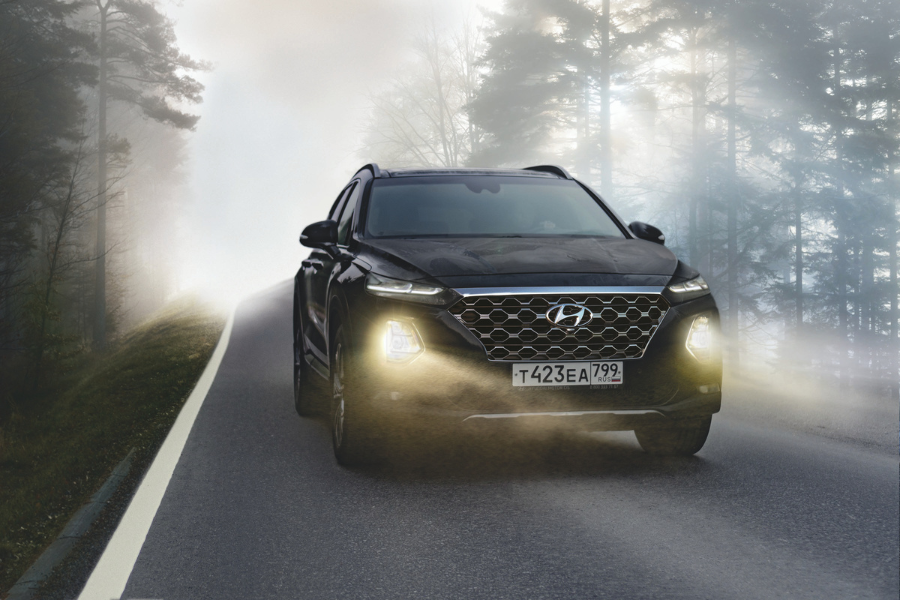
In recent years, Hyundai has emerged as one of the most popular automotive brands worldwide, and for good reason. From sleek designs to advanced technology, Hyundai vehicles have captured the hearts of many drivers. Here are some key reasons why people love Hyundai cars.
1. Value for Money
One of the standout features of Hyundai vehicles is their incredible value for money. Buyers often find that Hyundai offers competitive pricing without compromising on quality. The brand is known for equipping its cars with a plethora of features that are often only found in higher-end models from other manufacturers. From advanced safety systems to luxurious interiors, Hyundai provides a premium experience at an accessible price point.
2. Impressive Warranty
Hyundai stands out with its industry-leading warranty. The brand offers a 10-year/100,000-mile powertrain warranty, which gives buyers peace of mind knowing that they are covered in case of any mechanical issues. This long warranty period reflects the company’s confidence in its vehicles and assures buyers that they are making a wise investment.
3. Innovative Technology
Hyundai is at the forefront of automotive technology, consistently integrating the latest innovations into its vehicles. From state-of-the-art infotainment systems to advanced driver-assistance features, Hyundai cars are designed to enhance the driving experience. Many models come equipped with features like Apple CarPlay, Android Auto, and cutting-edge safety technologies such as lane-keeping assist and adaptive cruise control.
4. Stylish Design
Gone are the days when Hyundai was considered a budget brand with uninspired designs. Today, Hyundai vehicles boast sleek, modern aesthetics that appeal to a wide range of consumers. The brand has invested heavily in design, collaborating with top talent to create cars that are not only functional but also visually striking. Whether it’s the sporty look of the Veloster or the sophisticated elegance of the Sonata, Hyundai’s design philosophy resonates with many drivers.
5. Eco-Friendly Options
As the automotive industry shifts toward sustainability, Hyundai has made significant strides in offering eco-friendly options. The brand’s commitment to reducing its environmental impact is evident in its growing lineup of hybrid and electric vehicles, including the Hyundai Ioniq and Kona Electric. This focus on sustainability attracts environmentally conscious consumers who want to reduce their carbon footprint without sacrificing performance or style.
6. Comfort and Space
Hyundai vehicles are known for their spacious interiors and comfortable seating, making them an excellent choice for families and long-distance travelers. Many models feature ample legroom, generous cargo space, and high-quality materials, ensuring that passengers enjoy a comfortable ride. This focus on comfort is a major factor in why families often choose Hyundai for their everyday transportation needs.
7. Strong Reputation for Reliability
Hyundai has built a solid reputation for reliability over the years. Consumer reports and studies consistently rank Hyundai among the top brands for dependability. This reliability means that drivers can trust their vehicles to perform well over time, which is crucial for those looking for a long-term investment.
Hyundai has a diverse lineup of new vehicles that cater to various needs and preferences. Here are some of the most popular Hyundai cars:
1. Hyundai Elantra
The Elantra is a compact sedan known for its stylish design, fuel efficiency, and advanced technology. It offers a comfortable ride and comes equipped with features like a user-friendly infotainment system and a suite of safety technologies.
2. Hyundai Sonata
The Sonata is a midsize sedan that stands out for its spacious interior and upscale features. It offers a range of powertrains, including hybrid options, and is praised for its smooth ride and advanced safety features.
3. Hyundai Tucson
The Tucson is a compact SUV that combines practicality with modern design. It offers ample cargo space, a comfortable cabin, and a variety of tech options, making it a favorite among families and outdoor enthusiasts.
4. Hyundai Santa Fe
The Santa Fe is a midsize SUV that provides a balance of performance and comfort. With a spacious interior and a range of powerful engines, a Hyundai SUV is an excellent choice for those needing extra room for passengers and cargo.
5. Hyundai Kona
The Kona is a subcompact SUV that appeals to younger buyers with its bold styling and fun driving dynamics. It offers a variety of engine options, including an all-electric version, and comes with a tech-savvy interior.
6. Hyundai Palisade
The Palisade is Hyundai’s largest SUV, offering three rows of seating and generous cargo space. It’s known for its upscale interior, advanced safety features, and strong performance, making it ideal for families.
7. Hyundai Ioniq
The Ioniq lineup includes hybrid, plug-in hybrid, and electric versions, appealing to eco-conscious drivers. It features a sleek design and impressive fuel efficiency, making it a popular choice in the green vehicle segment.
8. Hyundai Veloster
The Veloster is a unique compact hatchback that stands out with its sporty design and distinctive three-door layout. It’s favored by driving enthusiasts for its performance-oriented features and engaging handling.
These models, as well as other unmentioned ones like Hyundai Santa Cruz, Hyundai Elantra Hybrid, or a Hyundai Venue, reflect Hyundai’s commitment to innovation, comfort, and reliability, making them popular choices in today’s automotive market.
Conclusion
Hyundai has successfully positioned itself as a leader in the automotive market by offering a unique blend of value, technology, style, and reliability. Whether you’re a first-time car buyer or someone looking to upgrade, a new Hyundai car has something for everyone. With their commitment to innovation and customer satisfaction, it’s no wonder that people love new Hyundai vehicles. If you’re considering buying one of the new Hyundai cars from your local Hyundai dealer, you might just find your perfect match in one of these impressive offerings. Schedule a test drive appointment for any model, or come to Summit Auto Sales to see what featured vehicles, new vehicle specials, and Hyundai incentives we have available for you!

Scion, a brand that was launched by Toyota in the early 2000s, quickly became a favorite among young, urban drivers. Known for its unique style, affordability, and customization options, Scion captured the hearts of many before it was discontinued in 2016. So, what made Scion vehicles so appealing? Let’s take a closer look at the reasons behind their popularity.
1. Distinctive Design
One of the standout features of Scion vehicles was their bold and unconventional design. Models like the Scion tC and xB featured eye-catching aesthetics that set them apart from typical compact cars. The boxy shape of the xB, for example, appealed to those who valued individuality and sought a car that reflected their unique personality. Scion’s design ethos resonated especially well with younger drivers looking for something different.
2. Affordability and Value
Scion vehicles were priced competitively, making them accessible to a younger demographic. The brand’s no-haggle pricing model eliminated the stress of negotiating at dealerships, allowing buyers to feel confident about their purchases. With a focus on providing value, Scion delivered reliable cars that offered good features without breaking the bank.
3. Customization Options
One of the most exciting aspects of owning a Scion was the extensive customization options available. Scion encouraged owners to personalize their vehicles through a variety of accessories and modifications, ranging from sporty body kits to vibrant interior options. This emphasis on individuality allowed drivers to create a car that truly felt like their own, fostering a sense of community among Scion enthusiasts.
4. Engaging Driving Experience
Scion vehicles, particularly the tC, were designed to be fun to drive. With responsive handling and a sporty feel, they provided an engaging experience behind the wheel. The emphasis on performance made Scion appealing to those who wanted more than just a means of transportation; it attracted driving enthusiasts who appreciated a spirited ride.
5. Reliability and Quality
Being part of the Toyota family, Scion vehicles inherited a reputation for reliability and quality. Buyers felt confident that they were investing in a vehicle that would serve them well for years to come. This reliability was a significant draw, especially for first-time car buyers seeking a dependable option.
6. Community and Culture
Scion fostered a vibrant community among its owners. From local car meets to online forums, Scion enthusiasts connected over their shared love for the brand. This sense of community added an extra layer of enjoyment to ownership, as drivers celebrated their unique vehicles and shared customization tips.
7. Innovative Marketing
Scion’s marketing strategy also played a significant role in its appeal. The brand focused on engaging younger consumers through social media, music events, and collaborations with artists. This approach created a sense of relevance and trendiness, further attracting the youth demographic.
8. Environmental Consciousness
Many Scion models were designed with fuel efficiency in mind, appealing to eco-conscious consumers. The brand’s commitment to offering practical, efficient vehicles resonated with buyers who were mindful of their environmental impact.
Scion Models
Scion offered a range of popular vehicles that appealed to young, style-conscious drivers. Here are some of the most beloved Scion models:
1. Scion tC
The tC was a compact coupe known for its sporty design and engaging driving experience. With its stylish exterior, customizable features, and affordability, it quickly became a favorite among young drivers looking for a fun yet practical car.
2. Scion xB
The xB was characterized by its boxy shape and spacious interior. This unique design made it stand out on the road. It was particularly popular for its practicality, offering plenty of cargo space and a comfortable ride, making it ideal for urban living.
3. Scion xA
The xA was a subcompact hatchback that combined functionality with a distinctive style. Its compact size made it perfect for city driving, while its efficient engine and decent cargo space appealed to those seeking an economical option.
4. Scion FR-S
The Scion FR S (known as the Toyota 86 in other markets) was a sporty coupe that gained a dedicated following. Celebrated for its rear-wheel-drive layout and balanced handling, it offered an exhilarating driving experience, making it a favorite among car enthusiasts.
5. Scion iA
The iA was a compact sedan that offered a blend of style and efficiency. It was well-equipped with modern features and boasted good fuel economy, appealing to first-time car buyers and those looking for a practical daily driver.
6. Scion iM
The iM was a compact hatchback known for its versatility and spacious interior. With a sporty design and a focus on practicality, it appealed to drivers looking for a stylish yet functional vehicle.
These models exemplified Scion’s commitment to unique design, customization options, and affordability, making them popular choices among drivers seeking individuality in their vehicles. Other models like the Scion xb and more, also provide similar benefits and popular features.
Conclusion
Though Scion was discontinued, its legacy lives on in the hearts of many drivers. The brand’s distinctive design, affordability, customization options, and engaging driving experience created a unique space in the automotive market. For those who appreciated individuality and sought a vehicle that matched their lifestyle, Scion offered a compelling choice. The combination of fun, reliability, and community ensured that Scion would always hold a special place in the automotive world.
Whether you are looking for Scion cars, custom vehicles, expert service, featured vehicles, or pre owned specials head down to Summit Auto Sales in Orem, Utah to check out what inventory and other options they have on the lot today.

As we approach the end of 2024, many car buyers are turning to the used car market for more affordable options. Whether you’re in the market for a budget-friendly commuter, a family-friendly vehicle, or something sporty, there’s a great variety of used cars to choose from. The key is finding models that offer excellent value, reliability, and performance—along with lower depreciation compared to new cars. In this blog post, we’ll take a look at the top 5 used cars you should consider buying before the end of 2024.
1. Toyota Corolla (2019-2023)
Best for: Reliability, fuel economy, and resale value
The Toyota Corolla has long been synonymous with reliability, and the 2019-2023 models are no exception. Known for its efficiency and low maintenance costs, the Corolla is an excellent choice for anyone looking for a dependable compact car that will stand the test of time. The 2019 model introduced updated technology features like Apple CarPlay, and the newer models have even more modern tech, such as adaptive cruise control, lane-keeping assist, and automatic emergency braking.
Why buy it?
- Exceptional fuel economy (up to 40 MPG highway)
- Reputation for long-term reliability
- Low maintenance costs
- Strong resale value
Price range (used): $15,000 to $25,000
2. Honda Civic (2018-2023)
Best for: Performance, practicality, and modern features
The Honda Civic is another iconic name in the compact car category, combining sporty performance with practicality. The 2018-2023 Honda Civic models offer a more refined design, advanced technology, and solid driving dynamics. These models are available in sedan, coupe, or hatchback configurations, with a range of trims and engines to suit different preferences, from the efficient 2.0-liter engine to the more powerful 1.5-liter turbocharged engine.
Why buy it?
- Engaging driving experience
- High-quality interior with modern tech
- Excellent fuel efficiency
- Strong reputation for reliability
Price range (used): $16,000 to $28,000
3. Mazda CX-5 (2019-2023)
Best for: Fun-to-drive crossover and premium interior
If you’re looking for a compact crossover that blends driving enjoyment with practicality, the Mazda CX-5 is hard to beat. The 2019-2023 models have received praise for their upscale interiors, sporty handling, and strong reliability record. With available all-wheel drive, excellent fuel efficiency, and a smooth ride, the CX-5 is a great option for families or anyone who wants a versatile vehicle that’s both fun and functional.
Why buy it?
- Excellent driving dynamics
- High-quality, premium-feeling interior
- Good safety ratings and standard features
- Available with a turbocharged engine for more power
Price range (used): $22,000 to $35,000
4. Ford F-150 (2018-2023)
Best for: Towing, utility, and off-road capability
For buyers looking for a full-size pickup truck, the Ford F-150 continues to be one of the best choices on the market. The 2018-2023 F-150 models offer an impressive range of powertrains, including a fuel-efficient hybrid version, a powerful turbocharged V6, and a V8 for those who need maximum towing capability. The F-150’s interior has also been updated with more premium materials and tech, making it more comfortable for long drives or daily commuting.
Why buy it?
- Excellent towing and payload capacity
- Range of powertrains and trim levels
- Great for off-road adventures
- Comfortable and tech-equipped interior
Price range (used): $25,000 to $45,000
5. Subaru Outback (2019-2023)
Best for: All-weather capability, rugged design, and safety
The Subaru Outback is a top choice for buyers who need a vehicle that can handle diverse road conditions and still provide a comfortable ride. With standard all-wheel drive, a higher ground clearance, and impressive off-road ability, the Outback is perfect for those who love outdoor adventures or live in areas with harsh weather. The 2019-2023 models have a refined interior, good cargo space, and the latest safety features, including Subaru’s EyeSight suite of driver-assistive technologies.
Why buy it?
- Excellent all-wheel drive capability
- Spacious and comfortable interior
- High safety ratings and standard tech
- Rugged styling with a more premium feel
Price range (used): $23,000 to $35,000
Conclusion:
The used car market offers an abundance of options in 2024, but these five models stand out for their combination of reliability, value, and performance. Whether you’re seeking a fuel-efficient sedan, a family-friendly crossover, or a rugged truck, the Toyota Corolla, Honda Civic, Mazda CX-5, Ford F-150, and Subaru Outback all offer great choices at varying price points. Be sure to factor in not just the purchase price but also future costs like fuel, insurance, and maintenance when making your decision. Buying used doesn’t mean compromising on quality, and with the right research, you can find a vehicle that will serve you well for years to come.
Looking to buy a used car before the year ends? Consider one of these top picks to ensure you’re getting the best value for your money! If you are looking for any of these picks or other smart choices like a Toyota Prius, Toyota Rav4, Toyota Camry, Ford Fusion, Volkswagen Golf, Ford Escape or a Ford F 150 head to Summit Auto Sales in Orem, Utah to check out our inventory on the lot today. Whether you are wanting a reliable used car, to check out vehicle prices, inquire about an auto loan, or talk to a car dealer who knows detail on older models or a new car, Summit Auto Sales has you covered.

When shopping for a used SUV, safety should be a top priority. Whether you’re hauling your family, driving in harsh weather, or navigating city streets, you want a vehicle that offers both reliability and peace of mind. Thankfully, many SUVs are designed with advanced safety features and strong crash-test ratings. In this blog post, we’ll explore the five safest used SUVs you can buy in 2024, so you can hit the road with confidence.
1. Volvo XC90 (2016-2021)
Volvo is known for its commitment to safety, and the XC90 is one of the brand’s crown jewels. This luxury midsize SUV is packed with advanced safety technology, earning top marks from both the Insurance Institute for Highway Safety (IIHS) and the National Highway Traffic Safety Administration (NHTSA). Key features include:
- Pilot Assist: An advanced driver-assist system that includes adaptive cruise control and lane-keeping assistance.
- City Safety: Automatic emergency braking that can detect pedestrians, cyclists, and large animals.
- Run-off Road Protection: Alerts the driver if the vehicle is unintentionally drifting off the road.
If you’re looking for a safe, family-friendly used SUV with high-end features, the Volvo XC90 is a fantastic choice.
2. Subaru Outback (2018-2023)
Subaru has long been synonymous with safety, and the Outback is no exception. As a crossover wagon with SUV-like capabilities, the Outback offers excellent visibility and stability in a variety of conditions. It comes equipped with Subaru’s EyeSight Driver Assist Technology, which includes:
- Adaptive Cruise Control: Maintains a safe distance from the vehicle ahead.
- Lane Departure Warning: Alerts the driver if the vehicle is drifting out of its lane.
- Pre-Collision Braking: Detects potential collisions and applies the brakes to prevent or reduce the severity of an accident.
The Outback’s all-wheel-drive system is perfect for tackling both icy roads and off-road trails, making it a versatile choice for drivers in various environments.
3. Toyota Highlander (2017-2023)
The Toyota Highlander has earned a reputation for being one of the safest three-row SUVs on the market. Offering both high safety ratings and a wide array of standard and optional safety features, it’s no surprise that it ranks high on many safety lists. Some of the standout features include:
- Toyota Safety Sense 2.5+: Includes a pre-collision system, lane departure alert, automatic high beams, and dynamic radar cruise control.
- Blind Spot Monitor with Rear Cross-Traffic Alert: Provides additional awareness while changing lanes or backing out of parking spaces.
- Enhanced Stability Control: Ensures better traction and handling during challenging road conditions.
With its solid structure, excellent crash-test performance, and comprehensive safety features, the Highlander is a solid pick for families seeking peace of mind.
4. Honda CR-V (2017-2023)
The Honda CR-V is a compact SUV that punches well above its weight when it comes to safety. A consistently high scorer in crash tests, the CR-V is known for offering an impressive mix of reliability, affordability, and safety features. Key safety technology in the CR-V includes:
- Honda Sensing Suite: Includes collision mitigation braking, lane-keeping assist, adaptive cruise control, and road departure mitigation.
- Multi-Angle Rearview Camera: Provides a clear view of the area behind the vehicle, reducing the likelihood of accidents while reversing.
- Forward Collision Warning: Alerts you to potential collisions ahead and activates automatic braking if necessary.
With a comfortable interior, excellent fuel economy, and top-tier safety features, the Honda CR-V is a great choice for those looking for a safe compact SUV.
5. Ford Explorer (2020-2023)
The Ford Explorer is a spacious midsize SUV that offers excellent safety features, making it a popular choice for families. Its strong crash-test performance and range of available driver-assist technologies make it one of the safest options in its class. Notable safety features include:
- Ford Co-Pilot360™: Includes automatic emergency braking, blind-spot monitoring, lane-keeping assist, and a rearview camera.
- 360-Degree Camera: Offers a bird’s-eye view around the vehicle to help drivers navigate tight spaces.
- Pre-Collision Assist: Detects potential front-end collisions and can apply the brakes to mitigate impact.
With its roomy interior, excellent towing capacity, and a strong focus on driver and passenger safety, the Ford Explorer is an ideal option for larger families.
Conclusion
When purchasing a used SUV, prioritizing safety is essential to ensure the well-being of everyone on board. The vehicles listed here—the Volvo XC90, Subaru Outback, Toyota Highlander, Honda CR-V, and Ford Explorer—offer a blend of advanced safety features, solid crash-test ratings, and overall reliability. Whether you’re looking for a luxury SUV, a compact crossover, or a spacious family vehicle, these options have you covered. As always, it’s important to do your research and check individual vehicle history reports to ensure the SUV you’re interested in has been well-maintained.
By selecting one of these safe used SUVs, you’ll be investing in a vehicle that not only protects you and your loved ones but also offers peace of mind on every journey.
If you are in the market for a safe used SUV, and one of these aren’t your top choice, do not worry. Other great options include cars like; Jeep Grand Cherokee, Toyota Rav4, Lexus RX, Ford Escape, Mazda CX 5, Mazda CX 50, and many other models whether you are looking for a small SUV, or just the safest used SUV for you and your family that fits your style and budget. If you are interested in seeing what SUVs are available now, head down to Summit Auto Sales in Orem, Utah to check them out.
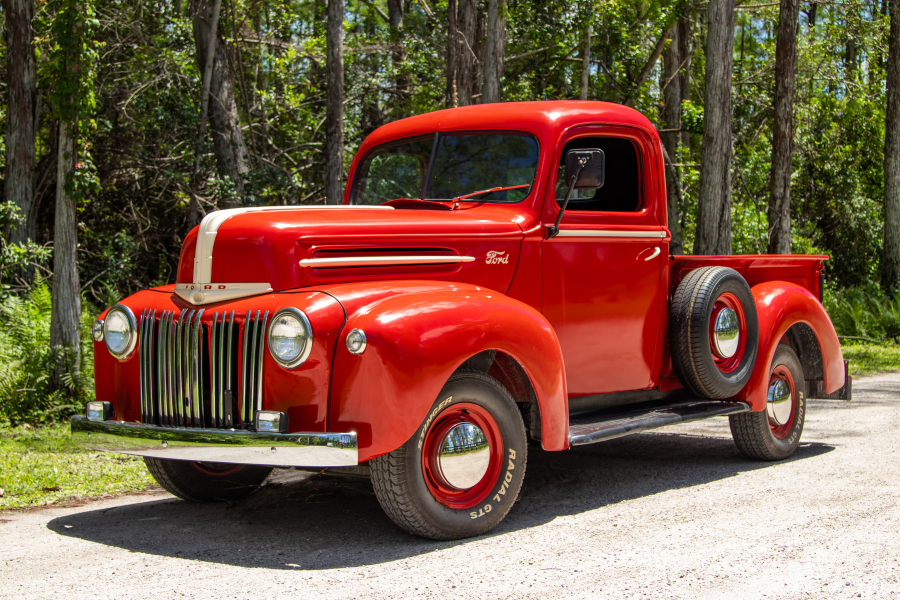
Ford has long been a staple in the automotive industry, and its vehicles have garnered a loyal following over the years. From rugged trucks to sleek sedans, there’s something for everyone in the Ford lineup. But what is it about Ford vehicles that captivates so many drivers? Let’s explore some of the key reasons behind their enduring popularity.
1. Heritage and Trust
Ford has a rich history that dates back to 1903. It was one of the first companies to mass-produce vehicles, making cars more accessible to the average American. This legacy has fostered a deep sense of trust and loyalty among consumers. Many people feel a connection to the brand, often passed down through generations. The iconic Ford Mustang, for example, represents not just a car, but a cultural phenomenon that has stood the test of time.
2. Diverse Lineup
One of Ford’s greatest strengths is its diverse range of vehicles. Whether you need a sturdy truck like the F-150 for work or a compact car like the Ford Focus for city driving, Ford has you covered. This versatility appeals to a wide audience, making it easy for people to find a Ford model that fits their lifestyle and needs.
3. Innovation and Technology
Ford is not just resting on its laurels; the company continually innovates to keep up with modern demands. Features like Ford’s Co-Pilot360, which includes advanced driver-assistance technologies, enhance safety and convenience. The brand is also investing heavily in electric vehicles (EVs), with models like the Mustang Mach-E and the all-electric Ford F-150 Lightning, appealing to environmentally-conscious consumers and tech enthusiasts alike.
4. Performance and Capability
For those who value performance, Ford has a reputation for building powerful vehicles. The sporty Mustang is beloved for its speed and agility, while the F-Series trucks are known for their towing capacity and off-road capabilities. Whether it’s a weekend adventure or daily commuting, Ford vehicles are engineered to perform.
5. Customization Options
Ford offers an impressive range of customization options for many of its models, allowing drivers to tailor their vehicles to their tastes. From different trim levels to various accessories, Ford lets customers make their cars uniquely theirs. This personal touch fosters a deeper connection between the driver and their vehicle.
6. Community and Culture
Ford has cultivated a vibrant community of enthusiasts who share a passion for the brand. From car shows to online forums, Ford fans come together to celebrate their vehicles and exchange tips. This sense of belonging enhances the ownership experience, making it more than just a transaction; it’s a lifestyle.
7. Value for Money
When it comes to affordability, Ford vehicles often strike a balance between price and features. Many models come equipped with a host of standard features that competitors might offer as upgrades. This commitment to delivering value has earned Ford a reputation as a smart choice for budget-conscious consumers without sacrificing quality.
Ford has a diverse lineup, and several models have become particularly popular over the years. Here are some of the most well-loved Ford cars:
1. Ford F-150
The Ford F 150 is one of the best-selling vehicles in the U.S. for decades. Known for its durability, towing capacity, and advanced technology, it appeals to both work and recreational needs.
2. Ford Mustang
An iconic American muscle car, the Mustang is famous for its performance, style, and rich heritage. It has a dedicated fan base and is celebrated for its powerful engine options and sporty design.
3. Ford Explorer
As a midsize SUV, the Explorer combines spaciousness, comfort, and advanced safety features, making it a popular choice for families. Its versatility and all-wheel-drive options enhance its appeal for adventure seekers.
4. Ford Escape
The Escape is a compact SUV that offers a balance of practicality and efficiency. With its user-friendly technology and spacious interior, it’s a favorite among urban drivers and families alike.
5. Ford Bronco
After its recent revival, the Bronco has captured attention for its rugged off-road capabilities and retro styling. It appeals to outdoor enthusiasts and those looking for adventure.
6. Ford Ranger
The Ranger is a midsize pickup that offers a blend of capability and efficiency. It’s a great choice for those who want a truck that’s easy to maneuver in urban environments but still rugged enough for off-road use.
7. Ford Edge
The Edge is a midsize crossover that provides a comfortable ride, ample cargo space, and a range of tech features. It’s a solid option for those seeking a family-friendly vehicle with a sporty touch.
8. Ford Focus
Although it has been discontinued in the U.S. market, the Focus was known for its compact size, fuel efficiency, and engaging driving dynamics. It remains a popular choice in other markets.
9. Ford Fiesta
The Fiesta is a subcompact car known for its affordability and nimble handling. It’s a great option for city driving and appeals to younger buyers looking for a fun, economical ride.
10. Ford Mustang Mach-E
As Ford’s entry into the electric vehicle market, the Mustang Mach-E combines the Mustang’s sporty heritage with modern EV technology, appealing to both traditional Mustang fans and eco-conscious consumers.
These models, and other unmentioned cars in the Ford model lineup like the Ford Expedition, Ford Bronco Sport, Ford Fusion, Ford F 150 Lightning, or the Ford Maverick, highlight Ford’s versatility, catering to a wide range of preferences and lifestyles. Whether you are looking at a private Ford dealer, or a big Ford dealership, you can find a great Ford truck, Ford SUV, or any other Ford vehicle that suits you and your family. If you’re looking for power, efficiency, or family-friendly features, Ford has something to offer.
Conclusion
In a crowded automotive market, Ford vehicles stand out for their combination of heritage, innovation, performance, and community. Whether you’re a lifelong Ford fan or considering your first purchase, the appeal of Ford is undeniable. With a vehicle lineup that continues to evolve while honoring its roots, it’s clear why so many people choose Ford. Whether it’s for the thrill of the ride or the reliability on the road, Ford has something to offer every driver.