

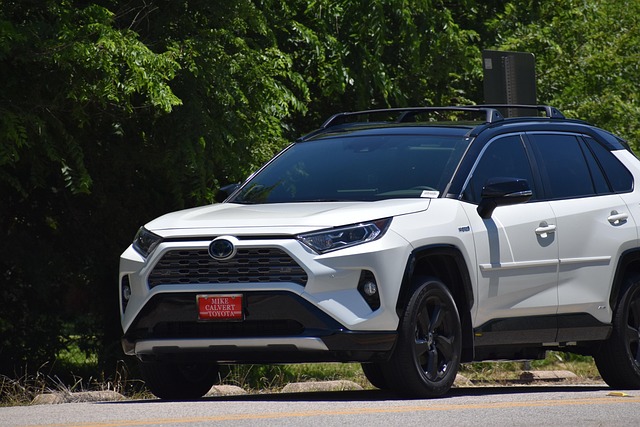
When it comes to buying a used vehicle, SUVs are often at the top of the list. Their versatile blend of space, comfort, and capability makes them a favorite among car buyers, whether you’re hauling kids, gear, or simply want a more commanding driving position. But with so many choices out there, which used SUVs are most popular—and why? Let’s explore some of the top-used SUVs and what makes them stand out in the crowded marketplace.
1. Toyota RAV4
Why It’s Popular
The Toyota RAV4 is one of the best-selling SUVs in the world, and it’s no surprise that it’s a top pick for used car buyers. The RAV4 strikes the perfect balance between affordability, reliability, and practicality, making it an excellent choice for a wide range of drivers. Known for its durable construction, it’s no wonder that used RAV4s are often found with high mileage, still running strong.
The RAV4 is also fuel-efficient, which is a big selling point for buyers looking to save on gas. Whether you’re going with a gas-powered model or a hybrid version, the RAV4 consistently delivers impressive miles per gallon. Additionally, its solid safety features, including Toyota Safety Sense, which includes adaptive cruise control, lane-keeping assist, and automatic emergency braking, make it a strong contender for families.
Popular Features
- Reliability and long-lasting durability
- Great fuel economy (especially with hybrid options)
- Standard safety features
- Comfortable and spacious interior
2. Honda CR-V
Why It’s Popular
The Honda CR-V is another standout in the used SUV market, known for its excellent reliability, impressive resale value, and ample cargo space. Like the RAV4, the CR-V offers a smooth, comfortable ride, making it ideal for families, commuters, and anyone seeking a solid, well-rounded SUV.
The CR-V offers a bit more of a premium feel compared to some competitors, with high-quality materials and a user-friendly infotainment system. Additionally, the CR-V is well-regarded for its fuel efficiency, particularly in its hybrid models, and its spacious cabin provides ample room for passengers and gear.
Popular Features
- Spacious, well-designed interior
- Strong reputation for reliability and longevity
- Excellent fuel efficiency (especially in hybrids)
- Smooth, comfortable ride with a premium feel
3. Jeep Grand Cherokee
Why It’s Popular
For buyers looking for a mix of luxury and rugged off-road capability, the Jeep Grand Cherokee has been a perennial favorite. Whether you’re taking it on an off-road adventure or just enjoying its upscale amenities for a city commute, the Grand Cherokee offers a great balance of both worlds.
Jeep has earned a reputation for its off-road prowess, and the Grand Cherokee is no exception. With multiple 4×4 systems, available air suspension, and advanced off-road technology, it’s one of the best SUVs for drivers who want to take their vehicle off the beaten path. At the same time, it doesn’t sacrifice luxury and comfort, with premium materials, a refined ride, and high-end technology features.
Popular Features
- Excellent off-road capability with 4×4 options
- Available luxury features, including leather interiors and premium audio systems
- Towing capacity that’s above average for the class
- Strong performance in both on-road and off-road environments
4. Ford Escape
Why It’s Popular
The Ford Escape is a compact SUV that has consistently been a favorite for used car buyers. It’s known for being one of the more affordable options in the SUV category, without sacrificing practicality or style. The Escape offers a fun, engaging driving experience with plenty of pep, especially in the turbocharged engine models.
Fuel efficiency is another big draw, particularly in the Escape Hybrid models. It’s a versatile vehicle, offering good passenger space, a relatively large cargo area for the size, and lots of technology features. Ford has also made the Escape a highly customizable vehicle with a variety of trims and options, giving buyers plenty of flexibility in what they want.
Popular Features
- Affordable pricing and great value for the money
- Impressive fuel efficiency, especially in hybrid versions
- Fun-to-drive, sporty performance
- Spacious interior and cargo area for its size
5. Subaru Forester
Why It’s Popular
The Subaru Forester is a compact SUV that punches above its weight in terms of capability, especially in the areas of all-wheel drive performance and ruggedness. Subaru’s reputation for building vehicles that perform well in tough weather conditions is a key factor in the Forester’s popularity. Whether it’s snow, rain, or rough terrain, the Forester’s standard all-wheel drive makes it an excellent choice for those who need a reliable, capable vehicle for a variety of driving conditions.
The Forester is also known for its roomy interior, excellent visibility, and a focus on safety. Subaru offers impressive EyeSight safety technology as standard, which includes features like pre-collision braking, adaptive cruise control, and lane departure warning.
Popular Features
- Standard all-wheel drive for enhanced traction
- Excellent visibility and spacious cabin
- Great safety features, including EyeSight technology
- Strong resale value and reliability
6. Nissan Rogue
Why It’s Popular
The Nissan Rogue is another compact SUV that has built a strong following for its affordability, comfort, and practicality. The Rogue provides a smooth, quiet ride and is packed with tech-savvy features. It’s a great choice for drivers who want a vehicle with good fuel efficiency, an easy-to-navigate infotainment system, and a spacious interior.
One of the highlights of the Rogue is its ProPILOT Assist, which offers semi-autonomous driving features such as lane-keeping assist and adaptive cruise control. It’s also known for being easy to drive, making it ideal for new car buyers or those who prioritize simplicity.
Popular Features
- Smooth and comfortable ride
- Impressive tech features like ProPILOT Assist
- Good fuel efficiency, particularly with the hybrid option
- Roomy interior with a focus on comfort
7. Chevrolet Equinox
Why It’s Popular
The Chevrolet Equinox offers a strong value proposition for used SUV buyers. With a comfortable and quiet cabin, smooth ride, and lots of standard tech features, it’s easy to see why it’s so popular. The Equinox is also known for its user-friendly infotainment system and intuitive controls, which make it an appealing option for those who want a simple, reliable SUV without a steep learning curve.
In terms of performance, the Equinox offers a range of engines, from a fuel-efficient four-cylinder to a more powerful turbocharged option. It also has an adequate amount of cargo space and offers plenty of room for passengers in the backseat.
Popular Features
- Comfortable ride with a focus on passenger comfort
- Easy-to-use infotainment system
- Variety of engine options for different performance needs
- Good value for the price
Conclusion
Used SUVs continue to be a popular choice for car buyers, thanks to their versatility, spacious interiors, and dependable performance. Whether you’re drawn to the off-road capabilities of the Jeep Grand Cherokee, the fuel efficiency of the Toyota RAV4, or the all-weather traction of the Subaru Forester, there’s an SUV out there that fits your specific needs and preferences.
The key to choosing the right used SUV is identifying what matters most to you—be it safety, performance, comfort, or technology—and then finding a vehicle that excels in those areas. With the models listed above, you’ll have plenty of options that continue to deliver strong value even as used cars.

When it comes to buying a new truck, Ford and GMC are two of the most recognizable and trusted names in the industry. Both brands have a long history of producing powerful, reliable vehicles that cater to a wide range of drivers—from worksite warriors to weekend adventurers. If you’re stuck between choosing a Ford truck or a GMC truck, you’re not alone. Both manufacturers offer high-quality models, each with its own strengths and weaknesses. To help you make the best decision for your needs, here’s a breakdown of what you should consider when deciding between Ford and GMC trucks.
1. Performance and Engine Options
When it comes to performance, Ford and GMC offer a variety of engines that can cater to different needs, whether you’re looking for towing power, off-road capability, or daily driving comfort.
Ford
Ford has long been known for its diverse engine offerings, particularly in its F-150 series. The F-150 offers a broad selection of engines, including turbocharged V6 options, a V8, and even a hybrid powertrain. The hybrid PowerBoost engine is a standout in the F-150 lineup, offering an excellent combination of power and fuel efficiency. Ford’s engines are designed for a smooth ride, but they also pack enough muscle for tough tasks, with the F-150 capable of towing up to 14,000 pounds when properly equipped.
GMC
GMC trucks, particularly the Sierra 1500, are built with a focus on rugged performance, offering a similar array of engine options, from the turbocharged four-cylinder to the powerful 6.2L V8. However, GMC sets itself apart with its more refined Denali trims, which offer more upscale features, including a premium V8 engine option that delivers substantial towing and hauling capabilities. GMC also offers a Duramax diesel engine, which can be ideal for drivers looking for exceptional torque and fuel efficiency, especially when it comes to heavy towing.
Verdict: If you’re looking for a range of engine options and hybrid capabilities, Ford might have the edge with its more versatile offerings. However, if you’re seeking a powerful diesel engine or premium performance in a luxury trim, GMC may be more to your liking.
2. Towing and Hauling Capacity
For many truck buyers, towing and hauling capacity is a critical factor in their decision. Both Ford and GMC offer trucks with impressive towing numbers, but there are some differences worth considering.
Ford
The Ford F-150 has long been one of the top performers in terms of towing capacity, and the 2023 model is no different. With the right configuration, the F-150 can tow up to 14,000 pounds, making it an ideal choice for those who regularly tow trailers, boats, or other heavy loads. The Ford Super Duty line (F-250 and F-350) offers even more towing power for those who need serious workhorse capabilities, with towing capacities well over 20,000 pounds.
GMC
The GMC Sierra 1500 also offers impressive towing capabilities, with a max towing capacity of up to 13,000 pounds in the right configuration. GMC’s Sierra 2500HD and 3500HD are designed for heavy-duty work and can tow up to 36,000 pounds when properly equipped with the Duramax diesel engine and Gooseneck towing.
Verdict: Ford edges out GMC in terms of maximum towing capacity, especially if you’re considering the F-250 or F-350 for heavy-duty hauling. However, GMC offers strong towing performance, particularly if you are leaning toward a diesel-powered truck for serious work.
3. Interior Quality and Comfort
Both Ford and GMC produce trucks with well-appointed interiors, but they cater to slightly different audiences in terms of design, materials, and overall feel.
Ford
Ford trucks, especially in higher trims like the Lariat and King Ranch, offer a refined, modern interior. The F-150 comes equipped with a functional layout that’s built for comfort and convenience, with features such as SYNC 4 infotainment and Ford Co-Pilot360 safety systems. The seats are comfortable and supportive, with plenty of space in both the front and rear, but the overall interior design is more utilitarian, with some trims offering more premium touches like leather and wood accents.
GMC
GMC trucks, particularly the Denali trim, are often considered a step above in terms of luxury. The Sierra 1500 Denali boasts an upscale cabin with high-quality materials, including leather upholstery, wood trim, and a premium Bose sound system. GMC focuses on providing a more refined experience, with attention to detail that sets it apart from other mainstream brands. The Sierra also includes tech features like a large touchscreen and a digital driver display that enhances both style and function.
Verdict: If you’re looking for a more luxurious, refined interior, especially if you plan on spending a lot of time inside your truck, GMC offers a more upscale feel, particularly in the Denali trim. Ford offers plenty of comfort but with a more functional, work-oriented approach in its higher trims.
4. Off-Road Capabilities
Both Ford and GMC offer trucks designed for off-roading, but there are subtle differences in the available features and options.
Ford
Ford is well-known for its off-road capabilities, especially with the F-150 Raptor. The Raptor is built for high-performance off-roading, with a specially tuned suspension, a turbocharged V6 engine, and features like trail control and front and rear locking differentials. For those seeking a more budget-friendly off-road truck, Ford also offers the F-150 Tremor, which is equipped with off-road suspension, skid plates, and more.
GMC
GMC’s Sierra AT4 is the brand’s off-road-focused truck, and it offers plenty of rugged features, such as Hill Descent Control, off-road suspension, and a 2-inch factory lift. The Sierra AT4 is a solid choice for those who need off-road performance without going all-in on something like the Raptor. For extreme off-road enthusiasts, GMC offers the Sierra 2500HD AT4 with enhanced off-road capabilities for more challenging terrain.
Verdict: If you’re looking for a high-performance, purpose-built off-road truck, Ford’s F-150 Raptor is the clear winner. However, GMC’s Sierra AT4 is a great option if you want a capable off-roader with a more refined, luxury-focused experience.
5. Price and Value
Price can be a decisive factor for many truck buyers, especially when considering the long-term costs of ownership.
Ford
Ford trucks tend to offer a wide range of pricing options, from more affordable base models to high-end luxury trims. The F-150 starts at a competitive price point, and with a variety of configurations, you can find one that suits your budget and needs. The Super Duty trucks are more expensive but offer impressive capabilities for those who need heavy-duty performance.
GMC
GMC trucks, particularly the Denali trims, tend to be priced higher due to their more luxurious features and upscale design. While the base-level Sierra 1500 is reasonably priced, the Denali and AT4 trims push the cost higher. However, the luxury and refinement you get with these models can justify the price for those looking for both performance and comfort.
Verdict: Ford generally offers a wider range of pricing options, allowing for more flexibility based on your budget. GMC is often the choice for those willing to invest a bit more for luxury and refined features.
Final Thoughts
Deciding between a Ford and a GMC truck ultimately depends on your personal preferences and priorities. If you’re looking for versatility, towing capacity, and off-road performance, Ford offers some excellent options, particularly with the F-150 Raptor and Super Duty models. However, if you’re seeking a more luxurious, refined truck with top-notch interior features and premium performance, the GMC Sierra Denali and AT4 are hard to beat.
Both brands provide high-quality trucks that cater to different needs, so consider what matters most to you—whether it’s power, luxury, off-road capabilities, or price—and you’ll be on the right path to choosing the perfect truck for your lifestyle.

When it comes to luxury automobiles, few names evoke as much prestige as Cadillac. As one of the oldest and most respected American car manufacturers, Cadillac has built a reputation for creating vehicles that combine high-end craftsmanship, advanced technology, and exhilarating performance. Whether you’re drawn to their refined interiors, smooth ride, or iconic designs, Cadillac offers a wide range of options that cater to diverse driving preferences. If you’re considering investing in a luxury vehicle, here’s why a Cadillac should be at the top of your list, along with some of the standout models you should know about.
Why Buy a Cadillac?
1. Superior Craftsmanship and Luxury
Cadillac vehicles are known for their commitment to craftsmanship. From the choice of premium materials, such as high-quality leather upholstery and authentic wood trim, to the impeccable fit and finish, Cadillac exudes luxury at every touchpoint. The attention to detail ensures that the driving experience feels as luxurious as it looks, providing a comfortable and serene ride whether you’re commuting or embarking on a long road trip.
2. Innovative Technology
Cadillac continuously integrates cutting-edge technology into its lineup. Whether it’s an intuitive infotainment system, advanced driver-assist features, or state-of-the-art safety technologies, Cadillac offers some of the most innovative tech in the automotive world. Their Super Cruise hands-free driving technology, for instance, is one of the best available on the market, offering a true hands-off highway driving experience. Cadillac’s Cadillac User Experience (CUE) system is another highlight, combining seamless connectivity with an easy-to-use interface for managing navigation, entertainment, and more.
3. Performance and Power
While Cadillac is often associated with luxury, performance is never compromised. Cadillac vehicles deliver a blend of power, agility, and smooth handling. From powerful V8 engines to electric performance models, Cadillac has something for every driving enthusiast. Their V-Series performance line, for example, offers jaw-dropping acceleration and precision handling, making them a force to be reckoned with in the luxury sports sedan category.
4. Iconic Styling
Cadillac vehicles are known for their bold, distinctive designs that make a statement on the road. Whether it’s the sleek, modern lines of the CT5 sedan or the muscular, imposing look of the Escalade SUV, Cadillac’s design philosophy is all about standing out in a crowd. The combination of elegance and athleticism in their exterior and interior styling ensures that you’re driving a vehicle that reflects both sophistication and power.
5. Outstanding Comfort and Features
Cadillac places a premium on comfort, offering spacious interiors with cutting-edge features that elevate the driving experience. From the supple leather seats with massage functions to climate control systems designed for ultimate comfort, every ride in a Cadillac feels like a first-class experience. Noise isolation is also a top priority, and Cadillac’s vehicles are known for providing a quiet, serene cabin, making even the longest journeys feel relaxed and effortless.
Top Cadillac Models to Consider
1. Cadillac Escalade
The Escalade is the pinnacle of Cadillac’s luxury SUV lineup. Known for its imposing size, powerful presence, and opulent features, it is a favorite among those who demand a premium driving experience. The Escalade offers a spacious three-row interior, with seating for up to eight passengers, and comes equipped with the latest tech features, including Super Cruise and a 38-inch curved OLED display. Under the hood, it boasts powerful engine options, including a 6.2L V8 engine, delivering exceptional towing capabilities and performance. If you’re looking for an SUV that combines luxury, space, and performance, the Escalade stands at the top.
2. Cadillac CT5
The Cadillac CT5 is a sophisticated luxury sedan that strikes the perfect balance between style, comfort, and performance. It features sharp, dynamic handling and offers a range of engine options, from a turbocharged four-cylinder to a powerful 3.0L twin-turbo V6 in the performance-oriented CT5-V. Inside, the CT5 is packed with technology, including Cadillac’s intuitive CUE system, and boasts a refined cabin with premium materials. Whether you want a smooth, comfortable ride or an exhilarating driving experience, the CT5 delivers on all fronts.
3. Cadillac XT5
For those looking for a more compact luxury SUV, the Cadillac XT5 is an excellent option. It provides a comfortable, spacious cabin with plenty of room for passengers and cargo, making it a great choice for families. The XT5 offers advanced safety features, including Automatic Emergency Braking and Park Assist, as well as an intuitive infotainment system with Apple CarPlay and Android Auto integration. With its smooth ride, stylish design, and reasonable price for a luxury SUV, the XT5 is perfect for those seeking elegance in a more compact form.
4. Cadillac CT4
The Cadillac CT4 is a compact luxury sedan that offers a fun-to-drive experience with precise handling and a choice of two turbocharged engines. It’s a great option for those who want a smaller, sportier alternative to the larger CT5 but still desire the luxury Cadillac is known for. The CT4 is available in the performance-oriented CT4-V, which delivers a more athletic driving experience thanks to its enhanced suspension and turbocharged powertrain. The CT4 is an ideal option for individuals who appreciate a combination of spirited driving and upscale features.
5. Cadillac LYRIQ
For those ready to embrace the future of automotive technology, the Cadillac LYRIQ is Cadillac’s first all-electric vehicle. This luxury electric SUV combines Cadillac’s signature style and comfort with zero-emissions driving. The LYRIQ offers an impressive electric range of over 300 miles, a sleek and modern design, and an interior filled with cutting-edge tech. With Super Cruise and a spacious, tech-rich cabin, the LYRIQ is a glimpse into the future of electric mobility with a touch of Cadillac luxury.
Conclusion
Purchasing a Cadillac is more than just buying a car; it’s about investing in a driving experience that balances luxury, performance, and cutting-edge technology. Whether you’re looking for a powerful SUV like the Escalade, a refined sedan like the CT5, or an electric future with the LYRIQ, Cadillac has a vehicle that fits your needs. The combination of performance, luxury, and innovation makes Cadillac a standout choice for anyone who values both comfort and driving excitement.
If you’re in the market for a luxury vehicle that stands the test of time, a Cadillac is sure to impress.

Electric vehicles (EVs) have rapidly surged in popularity, with numerous automakers entering the market to cater to the growing demand for sustainable driving. Among these manufacturers, Rivian, an American EV startup founded in 2009, has emerged as one of the most talked-about names. Known for its rugged design and adventure-focused ethos, Rivian has gained attention with its R1T electric pickup truck and R1S SUV. If you’re considering switching to a Rivian, it’s important to weigh the pros and cons before making your decision. Here’s a look at what it’s like to drive a Rivian vehicle.
Pros of Driving a Rivian Vehicle
1. Cutting-Edge Technology
Rivian vehicles are packed with innovative technology, designed to improve both performance and convenience. Their infotainment system, powered by a massive touchscreen interface, is intuitive and user-friendly. The software is also continuously updated over the air, ensuring the vehicle gets smarter and more capable over time. In addition to the touch screen, Rivian vehicles come with an array of driver-assistance features, such as adaptive cruise control, lane-centering, and automatic emergency braking.
2. Impressive Performance
Rivian vehicles are no slouches when it comes to performance. Both the R1T and R1S come with all-wheel drive and dual or quad-motor configurations, which provide outstanding acceleration and traction. The 0-60 mph times for the R1T are as low as 3 seconds, making it one of the fastest trucks on the market. Whether you’re taking it off-road or cruising on highways, Rivian’s electric motors deliver smooth, responsive performance that’s hard to match.
3. Off-Road Capabilities
Rivian is positioning itself as the go-to electric vehicle for adventure enthusiasts, and the R1T and R1S truly live up to that promise. The vehicles are designed with impressive off-road abilities, including an adjustable air suspension that allows drivers to raise or lower the ride height to better navigate rough terrain. With high ground clearance, water fording capability, and an all-electric powertrain that provides instant torque, Rivian’s vehicles are ideal for off-roading.
4. Eco-Friendly and Zero Emissions
As with all electric vehicles, driving a Rivian offers the benefit of zero tailpipe emissions. By choosing a Rivian, you’re reducing your carbon footprint, especially if you charge your vehicle with renewable energy sources like solar or wind. The overall environmental impact of driving a Rivian is far less than that of a traditional gasoline-powered vehicle, aligning well with eco-conscious drivers who want to reduce their environmental impact.
5. Unique Design and Durability
Rivian vehicles have a distinctive, rugged design that sets them apart from the more conventional electric vehicles on the market. Both the R1T and R1S boast a muscular, futuristic aesthetic with high-strength materials that give the vehicles a sense of toughness. Their builds are meant to endure tough environments, which is evident in their durable exteriors and interior features like water-resistant materials and durable leather seats.
Cons of Driving a Rivian Vehicle
1. Price
One of the biggest downsides to driving a Rivian is its price tag. The R1T pickup truck and the R1S SUV come with a premium price, starting at around $70,000 and climbing higher depending on trim level and options. This makes Rivian vehicles less accessible to the average consumer compared to more affordable electric vehicles like the Tesla Model 3 or Chevy Bolt. While Rivian’s vehicles offer excellent performance and adventure-ready capabilities, their high cost may be a barrier for some buyers.
2. Limited Availability and Charging Infrastructure
While Rivian is actively expanding its presence across the U.S., their vehicles are still relatively limited in terms of availability. Depending on your location, you might face longer wait times for delivery. Additionally, Rivian’s proprietary charging network is still in its infancy, and while the vehicles can charge using third-party networks like Tesla Superchargers or Electrify America, it’s not as seamless as driving a Tesla, which has a more mature and widely accessible charging network.
3. Range Anxiety
While Rivian’s electric vehicles offer impressive range, with estimates of up to 314 miles on a full charge for the R1T, range anxiety is still a concern. Range can vary depending on factors like terrain, temperature, and driving habits, which can be more pronounced in off-road situations. For those living in regions with limited charging infrastructure or frequently taking long trips, the fear of running out of battery before reaching a charging station can be unsettling.
4. Lack of Established Reputation
Rivian, as a relatively new company, doesn’t have the same long-established reputation as brands like Tesla, Ford, or Toyota. While Rivian has received a lot of positive attention, especially from early adopters, there’s still uncertainty about the company’s long-term success and reliability. For buyers who prioritize established brand names with a proven track record of quality and reliability, the lack of history may give them pause.
5. Limited Seating and Cargo Space
Although the R1T and R1S offer decent seating and cargo space, they aren’t quite as spacious as some of their rivals. The R1T has a five-seat configuration, while the R1S can seat up to seven, but some users may find that the interior space feels a bit cramped, especially in the rear seats. Additionally, the truck bed in the R1T is shorter than some other pickup trucks, which might be a downside for those needing more cargo capacity for work or long trips.
Conclusion
Driving a Rivian vehicle offers an exciting experience, especially for those who enjoy outdoor adventures and want an eco-friendly alternative to traditional gasoline-powered vehicles. With its cutting-edge technology, off-road prowess, and unique design, the Rivian R1T and R1S are strong contenders in the electric vehicle market. However, the high price, limited availability, and evolving infrastructure pose some challenges for potential buyers. If you value performance and sustainability and are willing to invest in a premium vehicle, a Rivian might be the perfect choice. However, for those on a tighter budget or seeking more established brands, the decision might require further consideration.
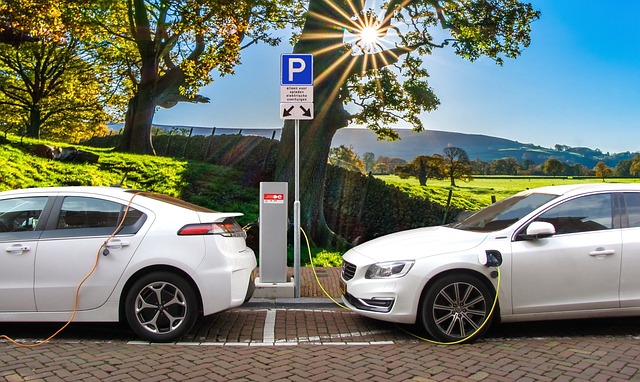
As more and more drivers seek eco-friendly and fuel-efficient options, hybrid vehicles have become an increasingly popular choice. For new car buyers, hybrids offer the perfect blend of traditional gasoline engines and electric power, giving you the best of both worlds—impressive fuel efficiency, lower emissions, and a reduced environmental footprint. But with so many options out there, how do you know which hybrid is the best fit for you? In this post, we’ll explore some of the top hybrid cars for new car buyers that combine reliability, efficiency, and style.
1. Toyota Prius: The Icon of Hybrids
When it comes to hybrids, the Toyota Prius is perhaps the most well-known name. Known for its incredible fuel economy, the Prius has been leading the hybrid movement for decades. For new car buyers, the Prius offers the ultimate balance of affordability, efficiency, and eco-friendly technology.
Why it’s great for new buyers:
- Impressive Fuel Economy: The Prius offers up to 58 mpg in the city and 53 mpg on the highway, making it one of the most fuel-efficient cars available.
- Affordable Price: With a starting price in the low $20,000s, the Prius offers great value, making it a top choice for those on a budget.
- Proven Reliability: Toyota is known for building durable, long-lasting vehicles, and the Prius is no exception.
The Toyota Prius is perfect for new buyers who want a reliable, no-fuss hybrid that offers excellent value and long-term savings on gas.
2. Honda Insight: A Sleek, Sophisticated Hybrid
The Honda Insight is a compact hybrid that delivers a sleek design, advanced technology, and outstanding fuel efficiency. Unlike the Prius, which is often seen as a “unique” looking car, the Insight brings a more conventional and stylish sedan design, making it appealing to those who prefer a more traditional look.
Why it’s great for new buyers:
- Fuel Efficiency: The Honda Insight offers an impressive 55 mpg in the city and 49 mpg on the highway, offering excellent fuel savings without compromising on performance.
- Premium Features: Standard features like a touchscreen infotainment system, Apple CarPlay, and Android Auto come on all trims, giving you high-tech features at an affordable price.
- Honda Reliability: Honda has built a reputation for creating long-lasting, dependable cars, and the Insight is no different.
The Honda Insight is an excellent option for new buyers looking for a stylish, tech-savvy hybrid that doesn’t sacrifice fuel economy.
3. Toyota Corolla Hybrid: A Budget-Friendly Option with Hybrid Efficiency
The Toyota Corolla Hybrid takes the classic Corolla sedan and adds hybrid technology for a more fuel-efficient version of this popular compact car. The Corolla Hybrid gives new buyers a chance to experience hybrid benefits without the higher price tag of many other hybrids on the market.
Why it’s great for new buyers:
- Great Value: The Corolla Hybrid starts at just under $24,000, making it one of the most affordable hybrid options available.
- Solid Fuel Economy: With an estimated 53 mpg in the city and 52 mpg on the highway, the Corolla Hybrid is incredibly fuel-efficient and a great option for commuters.
- Reputation for Longevity: As part of Toyota’s Corolla lineup, the Corolla Hybrid benefits from Toyota’s history of building cars that last.
For buyers looking for a budget-friendly, fuel-efficient car with a proven track record, the Toyota Corolla Hybrid is an excellent choice.
4. Ford Escape Hybrid: A Hybrid SUV with Versatility
For those looking for a hybrid vehicle with more space and a higher driving position, the Ford Escape Hybrid is an excellent option. The Escape Hybrid is a compact crossover that blends the fuel efficiency of a hybrid with the versatility and space of an SUV.
Why it’s great for new buyers:
- Versatility: The Escape Hybrid offers more interior space than sedans, making it perfect for families or those who need extra room for luggage, sports gear, or pets.
- Fuel Efficiency for an SUV: The Escape Hybrid achieves an estimated 44 mpg in the city and 37 mpg on the highway, which is impressive for an SUV.
- Technology: The Escape Hybrid comes with a suite of standard features, including Ford’s Co-Pilot360 safety suite, which includes adaptive cruise control, blind-spot monitoring, and automatic emergency braking.
The Ford Escape Hybrid is a great choice for new buyers who need the flexibility of an SUV but still want the efficiency of a hybrid.
5. Kia Niro: A Practical and Stylish Compact Hybrid
The Kia Niro is another compact hybrid that offers practicality, value, and an easy-to-drive experience. With its compact size and impressive fuel economy, the Niro is perfect for new car buyers who want a hybrid that stands out with both looks and performance.
Why it’s great for new buyers:
- Fuel Economy: The Niro offers up to 53 mpg in the city and 48 mpg on the highway, making it one of the most fuel-efficient hybrids in the compact crossover category.
- User-Friendly Features: Kia has equipped the Niro with user-friendly tech features, including an 8-inch touchscreen, Android Auto, Apple CarPlay, and available wireless charging.
- Affordable Pricing: The Niro’s starting price is in the mid-$20,000 range, making it accessible to buyers seeking an affordable yet stylish hybrid.
The Kia Niro is perfect for new buyers who want a stylish, compact hybrid with solid fuel economy and modern features.
6. Hyundai Ioniq Hybrid: A Great Choice for Value and Efficiency
The Hyundai Ioniq Hybrid is a compact hybrid that’s built for those who want to maximize fuel savings while enjoying a comfortable and stylish ride. With a focus on affordability and eco-friendliness, the Ioniq Hybrid is an excellent choice for new car buyers seeking value.
Why it’s great for new buyers:
- Outstanding Fuel Economy: The Ioniq Hybrid offers an impressive 58 mpg in the city and 60 mpg on the highway, making it one of the most fuel-efficient cars available.
- Affordable Pricing: Starting at just over $23,000, the Ioniq Hybrid is competitively priced for those on a budget.
- Modern Tech and Comfort: The Ioniq Hybrid comes with features like a touchscreen infotainment system, Apple CarPlay, Android Auto, and advanced safety features, providing great value for the price.
If you’re looking for a hybrid that’s focused on delivering the best fuel efficiency while offering plenty of modern features, the Hyundai Ioniq Hybrid is a solid choice.
7. Lexus ES 300h: Luxury with Hybrid Efficiency
For those who want a more luxurious hybrid vehicle, the Lexus ES 300h offers a premium driving experience with excellent fuel efficiency. As part of the Lexus lineup, the ES 300h comes with upscale features and the reliability that comes with a luxury brand.
Why it’s great for new buyers:
- Luxury Features: The ES 300h offers a refined interior, leather upholstery, a large infotainment screen, and advanced tech features, elevating the driving experience.
- Fuel Efficiency: The ES 300h offers up to 44 mpg in the city and 43 mpg on the highway, making it an efficient option for luxury buyers.
- Comfort and Quiet Ride: The ES 300h is known for its comfortable, smooth ride, perfect for long drives or daily commutes.
For new buyers looking to combine luxury with fuel efficiency, the Lexus ES 300h is a top contender.
Conclusion: The Smart Hybrid Choice for New Car Buyers
Whether you’re seeking the fuel efficiency of a sedan, the versatility of an SUV, or the luxury of a premium vehicle, there’s a hybrid car that’s perfect for your needs. Hybrids offer the best of both worlds: lower fuel costs and reduced environmental impact without compromising on performance or features.
For new car buyers, it’s important to think about your priorities—whether it’s affordability, space, technology, or luxury. With hybrids becoming more mainstream, there are now more options than ever to suit every lifestyle. Whether you choose the Toyota Prius for unbeatable fuel economy or the Ford Escape Hybrid for added space, you’re making a smart, eco-friendly choice that will save you money in the long run.
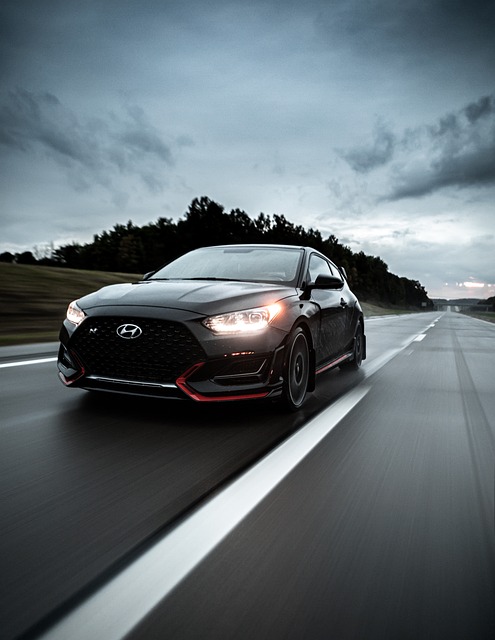
When shopping for a new car, many buyers find themselves narrowing down their choices based on factors like price, features, and overall value. For those considering Hyundai, two standout options are the Hyundai Elantra and the Hyundai Sonata. Both vehicles are known for their reliability, modern design, and impressive technology, but they cater to slightly different needs and preferences. In this blog post, we’ll explore the key factors car buyers should consider when deciding whether to buy a Hyundai Elantra or Sonata.
1. Price and Affordability
One of the first things to consider when buying a car is the price tag. The Hyundai Elantra is generally more affordable than the Sonata. It’s a compact sedan that offers great value for money without compromising on quality. For buyers on a tighter budget or those looking for a smaller car with excellent fuel efficiency, the Elantra might be the better choice.
On the other hand, the Hyundai Sonata is a midsize sedan that comes with a higher starting price. It’s the perfect option for buyers who may be willing to spend a little more for added space, comfort, and luxury-style features. The Sonata’s higher price reflects its larger size and more upscale features, so if budget isn’t as much of a concern, it could be worth the extra cost.
2. Interior Space and Comfort
When it comes to interior space, there’s a noticeable difference between the Elantra and Sonata. The Hyundai Sonata offers more space, particularly in the backseat, which could be a game-changer if you plan on using the car for family trips or commuting with multiple passengers. It’s a larger car overall, which translates to better legroom and a more spacious cabin.
In contrast, the Hyundai Elantra is a compact sedan, making it ideal for city driving or if you don’t need as much room. It’s a great option for singles or couples who don’t mind a tighter space. The Elantra still provides a comfortable ride, but if space is a top priority for you, the Sonata may be the better pick.
3. Fuel Efficiency
Fuel efficiency is a significant consideration for many car buyers, especially with rising fuel prices. Here’s where the Elantra shines. The compact size and lighter weight of the Hyundai Elantra contribute to its impressive fuel economy. It’s a great choice for drivers who prioritize saving at the pump, as the Elantra typically offers better fuel efficiency than the Sonata, especially in its hybrid variants.
The Sonata is still a fuel-efficient car but offers a bit less in comparison due to its larger size. However, if you opt for the Sonata Hybrid, you’ll get excellent fuel economy that rivals or surpasses the Elantra, making it a good choice for buyers seeking an efficient midsize sedan.
4. Driving Experience
Both the Elantra and Sonata provide a comfortable and engaging driving experience, but they do cater to different preferences.
- The Elantra offers a nimble, responsive feel, perfect for urban driving and tight corners. It’s easy to park and maneuver in city environments, making it ideal for those who want a car that’s fun to drive in both urban and suburban settings.
- The Sonata, being a larger and more powerful car, delivers a smooth, refined ride with more power under the hood. If you enjoy cruising on the highway or prefer a more stable, composed ride, the Sonata will likely be more appealing. The Sonata also offers an option for all-wheel drive in certain trims, which can provide additional traction in adverse weather conditions.
5. Technology and Features
Both the Elantra and Sonata are equipped with a wide range of modern features and technology. However, the Sonata tends to come with more luxurious options in higher trims. Some key features to consider:
- Hyundai Elantra: Standard features include a touchscreen infotainment system with Apple CarPlay and Android Auto, Bluetooth connectivity, and advanced safety features like lane-keeping assist and forward-collision warning. If you’re looking for an affordable option with great tech, the Elantra delivers.
- Hyundai Sonata: The Sonata steps up the game with higher-end features in the higher trims, such as a larger touchscreen, wireless Apple CarPlay, and a panoramic sunroof. You can also expect premium options like ventilated seats, a larger digital gauge cluster, and available semi-autonomous driving features like adaptive cruise control and lane-centering assistance.
6. Safety Features
Hyundai is known for its commitment to safety, and both the Elantra and Sonata come equipped with a solid array of safety features. Both models include Hyundai’s SmartSense suite of advanced driver-assist technologies, which includes features like:
- Forward collision warning
- Automatic emergency braking
- Lane-keeping assist
- Blind-spot monitoring
However, the Sonata in higher trims offers some extra features, such as Surround-View Monitor and Smart Park, which can be helpful for parking in tight spaces. If top-tier safety features are important to you, the Sonata’s higher trims will have the edge.
7. Performance and Powertrain Options
The Hyundai Elantra comes with a few different powertrain options depending on the trim. The base model offers a 2.0-liter 4-cylinder engine, which provides a balanced performance that’s adequate for daily driving. The sportier Elantra N offers a turbocharged engine, delivering more power and a more dynamic driving experience.
The Hyundai Sonata, on the other hand, offers a wider range of powertrains. The base model features a 2.5-liter 4-cylinder engine, while the hybrid model offers excellent fuel economy. The Sonata N Line ups the ante with a turbocharged 2.5-liter engine, providing a sportier option for those who want a little more excitement behind the wheel.
8. Resale Value
Hyundai vehicles are generally known to hold their value well, and both the Elantra and Sonata are expected to perform well in terms of resale value. However, the Sonata may have a slight edge due to its higher starting price and larger size, which appeals to a wider range of buyers. If you plan on selling or trading in your car down the road, both vehicles will maintain good resale value, but the Sonata’s premium features might give it a longer-lasting appeal.
Conclusion: Elantra or Sonata?
Deciding between the Hyundai Elantra and Sonata ultimately comes down to your individual needs and preferences. If you’re looking for a more affordable, compact, and fuel-efficient car with a fun-to-drive character, the Elantra is an excellent choice. It’s ideal for buyers on a budget or those who prefer a smaller, more nimble vehicle.
On the other hand, if you want more space, comfort, and luxury features while maintaining solid performance and efficiency, the Sonata is the way to go. It’s a midsize sedan that offers a more refined experience, making it a great option for families or those looking for a more upscale driving experience.
Both models offer great value, so the final decision depends on your budget, lifestyle, and driving preferences.
Mazda has carved out a reputation for creating stylish, fun-to-drive vehicles that don’t compromise on practicality or value. Their lineup of SUVs is no exception, offering something for a wide range of buyers—from compact crossovers to more spacious family-friendly options. But with multiple Mazda SUVs available, you may be wondering which one is the right fit for your needs.
In this blog post, we’ll break down the key differences between Mazda’s SUV models: the Mazda CX-3, CX-30, CX-5, CX-50, and CX-9. Each offers a unique blend of design, performance, and features, so whether you’re looking for a small urban vehicle or a larger family SUV, there’s likely a Mazda that fits your lifestyle.
1. Mazda CX-3: The Compact and Efficient Choice
- Best for: City dwellers, first-time SUV buyers, and those seeking a compact crossover with sporty handling.
- Price Range: Starts around $23,000
The Mazda CX 3 is Mazda’s smallest SUV, designed for those who want the utility of a crossover but don’t need a large vehicle. With its subcompact size, the CX-3 is perfect for urban driving, offering easy maneuverability, excellent fuel efficiency, and a sporty driving experience that’s a hallmark of Mazda’s design philosophy.
- Performance: The CX-3 is powered by a 2.0-liter four-cylinder engine that delivers 148 horsepower. It’s not the most powerful option in its class, but it offers peppy performance, particularly in the corners. Its handling is sharp and nimble, making it fun to drive, especially around tight city streets.
- Interior & Features: The interior is well-crafted, with premium materials for a subcompact SUV. It offers seating for five, but the rear seats are a bit tight, so it’s better suited for small families or couples. Tech features include a 7-inch touchscreen, Apple CarPlay, and Android Auto, making it easy to stay connected while on the go.
- Cargo Space: With the rear seats up, you get around 12.4 cubic feet of cargo space, which expands to 44.5 cubic feet when the seats are folded down. It’s decent for its size but may not be enough for larger families or frequent gear-haulers.
Bottom line: The CX-3 is ideal for those who want a small, efficient SUV with excellent handling, making it a great choice for city living or first-time SUV buyers who don’t need a lot of space.
2. Mazda CX-30: The Perfect Blend of Compact and Refined
- Best for: Buyers looking for a more refined, spacious alternative to the CX-3 without stepping up to a full-size SUV.
- Price Range: Starts around $23,500
The Mazda CX 30 is positioned between the CX-3 and CX-5, offering a little more space, power, and refinement than the CX-3 but still maintaining a compact footprint. It’s perfect for those who need a bit more room for passengers and cargo without giving up the agile handling Mazda is known for.
- Performance: Under the hood, the CX-30 comes standard with a 2.5-liter four-cylinder engine that makes 186 horsepower, a noticeable step up from the CX-3’s powertrain. The extra horsepower translates to more confidence on the highway, while the CX-30’s smooth, composed handling makes it enjoyable to drive on twisty roads.
- Interior & Features: The CX-30’s interior is more upscale than the CX-3, with higher-end materials and a more spacious feel. Standard features include an 8.8-inch touchscreen (larger than the CX-3), Apple CarPlay, Android Auto, and a rearview camera. It offers seating for five, with the rear seats providing more legroom than the CX-3, making it a better choice for families with growing kids.
- Cargo Space: The CX-30 offers about 20.2 cubic feet of cargo space with the seats up, which expands to 45.2 cubic feet with the seats down. This makes it a more practical option for carrying larger loads while still maintaining the compact size of a city-friendly SUV.
Bottom line: The CX-30 offers a great mix of style, performance, and practicality. It’s the sweet spot for those who want more interior space than the CX-3 but don’t need the larger proportions or price tag of the CX-5 or CX-9.
3. Mazda CX-5: The Goldilocks of Mazda SUVs
- Best for: Small families, those who want a mid-sized SUV that balances comfort, performance, and features.
- Price Range: Starts around $27,500
The Mazda CX 5 has been a fan favorite for years, thanks to its blend of practicality, sportiness, and upscale design. It’s Mazda’s best-selling SUV, and for good reason: it offers a spacious cabin, strong performance, and plenty of standard features, making it an excellent choice for families or anyone who needs more space without going overboard.
- Performance: The CX-5 offers two engine options: a 2.5-liter four-cylinder engine producing 187 horsepower and a turbocharged version that cranks out up to 250 horsepower with premium fuel. The base engine delivers a fun, engaging drive, while the turbocharged option adds an extra level of excitement and power for those who crave a sportier experience.
- Interior & Features: The CX-5’s interior is one of the most premium in its class, with high-quality materials, a clean, modern design, and plenty of tech. Standard features include an 8-inch touchscreen, Apple CarPlay, Android Auto, a rearview camera, and a suite of advanced safety features. It comfortably seats five, with ample legroom for rear passengers.
- Cargo Space: With the seats up, you get 30.9 cubic feet of cargo space, expanding to 59.6 cubic feet when the rear seats are folded down. This provides more than enough space for a family’s worth of gear, groceries, or luggage on a road trip.
Bottom line: The CX-5 strikes a perfect balance between space, performance, and luxury. If you want a midsize SUV that offers premium features and sporty driving dynamics, the CX-5 is a top contender.
4. Mazda CX-50: The Rugged, Adventure-Ready Option
- Best for: Adventurers and outdoor enthusiasts who want an SUV with off-road capabilities and a rugged design.
- Price Range: Starts around $27,900
The Mazda CX-50 is Mazda’s newest SUV, designed with outdoor enthusiasts and active buyers in mind. It offers more rugged styling and better off-road capabilities than other Mazda models, making it ideal for those who want to venture off the beaten path.
- Performance: The CX-50 comes with a 2.5-liter four-cylinder engine that produces 187 horsepower. It’s available with all-wheel drive (AWD) as standard, making it a great choice for tackling rougher terrain, snow, or rainy weather. For those who want more power, the turbocharged engine option is available, offering up to 250 horsepower.
- Interior & Features: The CX-50 shares many interior features with the CX-5, offering a premium cabin with a large touchscreen, Apple CarPlay, Android Auto, and a suite of advanced safety features. The interior is more rugged, with weather-resistant materials, perfect for adventurers who might get their SUV a little dirty on the trails.
- Cargo Space: With the rear seats up, you get around 31.4 cubic feet of cargo space, which expands to 56.3 cubic feet with the seats down. While it doesn’t offer the same amount of space as the CX-5, it’s still generous enough for outdoor gear, camping supplies, or bikes.
Bottom line: The CX-50 is the choice for those who love to adventure but still want the comfort, style, and technology Mazda is known for. It’s a great option for weekend warriors who need a capable, rugged SUV.
5. Mazda CX-9: The Family-Friendly SUV
- Best for: Large families who need three rows of seats and plenty of space without sacrificing style or driving pleasure.
- Price Range: Starts around $41,000
The Mazda CX 9 is Mazda’s largest SUV, offering three rows of seats and spacious accommodations for up to seven passengers. If you need more room for a growing family but don’t want to drive a full-size SUV, the CX-9 is a great balance of size, performance, and luxury.
- Performance: The CX-9 is powered by a 2.5-liter turbocharged four-cylinder engine that delivers 227 horsepower (up to 250 hp with premium fuel). It provides plenty of power for highway cruising, and its handling is sharper than most other three-row SUVs, giving it a more engaging driving experience.
- Interior & Features: The CX-9’s interior is refined and luxurious, with high-end materials, an intuitive infotainment system, and seating for seven across three rows. Standard features include a 10.25-inch touchscreen, Apple CarPlay, Android Auto, and a full suite of advanced safety features. The third row is best suited for children or smaller adults, but the first two rows offer ample space.
- Cargo Space: With all three rows in use, you get 14.4 cubic feet of cargo space. When the third row is folded down, it expands to 38.2 cubic feet, and folding both rows down provides a maximum of 71.2 cubic feet of space.
Bottom line: The CX-9 is the perfect choice for families who need three rows of seating but don’t want to sacrifice style, performance, or a fun-to-drive experience.
Final Thoughts: Choosing the Right Mazda SUV for You
Mazda offers a variety of SUVs that cater to different needs and lifestyles, from the compact, city-friendly CX-3 to the spacious, family-oriented CX-9. Each model offers a unique combination of style, performance, and practicality, so the right choice depends on your priorities—whether that’s size, driving dynamics, or cargo capacity.
Think about how much space you need, how you plan to use the vehicle, and what kind of driving experience you’re after. Once you’ve figured that out, you’ll be one step closer to finding the perfect Mazda SUV for you!
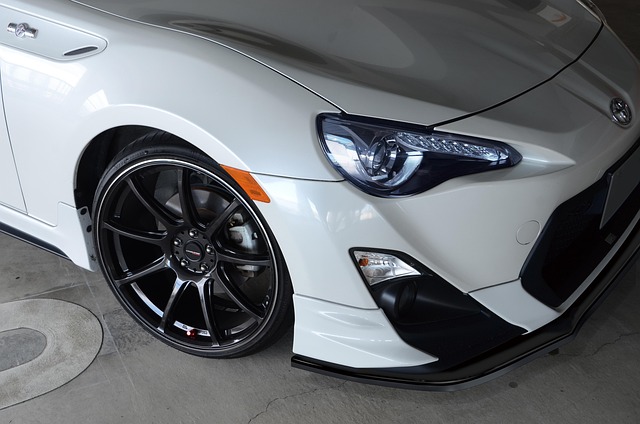
When you’re shopping for a new car, one of the biggest decisions you’ll face is choosing the right brand. Toyota and Lexus, both part of the same parent company, offer two distinct driving experiences, each with its own set of advantages. Toyota is known for its reliable, budget-friendly vehicles, while Lexus is Toyota’s luxury division, offering premium features, higher-end materials, and a more refined driving experience.
But how do you decide which one is the right fit for you? Whether you’re considering a Toyota or a Lexus, there are several factors you should weigh carefully before making your decision. Let’s take a look at what to consider when choosing between these two brands.
1. Your Budget: Toyota Offers More Affordable Options
One of the first things to consider when deciding between Toyota and Lexus is your budget. In general, Toyota vehicles are more affordable than Lexus cars and SUVs, both in terms of purchase price and long-term maintenance costs.
- Toyota: If you’re looking for a dependable, no-frills vehicle that offers great value for the price, Toyota should be at the top of your list. With models ranging from the compact Corolla to the versatile RAV4 and the family-friendly Highlander, Toyota covers a wide range of price points. Additionally, Toyotas are known for their low maintenance costs and strong resale value, making them a great choice if you’re looking to save in the long run.
- Lexus: Lexus vehicles are priced higher, reflecting their luxury status. You’ll pay more for the quality of materials, advanced technology, and superior performance that Lexus offers. While Lexus cars have lower depreciation compared to other luxury brands, the higher initial cost and more expensive service and repair bills are important considerations when deciding.
Bottom line: If you’re on a tighter budget, Toyota is likely the better choice. But if you’re ready to invest in a more luxurious vehicle and are willing to pay a premium, Lexus could be worth the extra cost.
2. Performance and Driving Experience: Lexus Offers a More Refined Ride
When it comes to performance, the difference between Toyota and Lexus is often most noticeable in how the vehicles drive. While both brands offer reliable, well-engineered cars, Lexus models are designed to deliver a more refined and powerful driving experience.
- Toyota: Toyota vehicles are built with reliability and practicality in mind. They provide a comfortable and smooth ride, but they’re typically tuned for efficiency and ease of driving rather than sporty performance. Models like the Toyota Camry or the Toyota Tacoma offer solid performance for everyday driving but aren’t focused on delivering a high-performance thrill.
- Lexus: Lexus, on the other hand, is all about delivering a more premium, performance-oriented experience. Lexus vehicles are often powered by more powerful engines, and their suspension systems are finely tuned for a more luxurious ride. Whether it’s the nimble handling of the Lexus IS sedan or the smooth highway cruising of the Lexus RX SUV, you’ll feel the extra attention to detail and refinement in the driving experience.
Bottom line: If you’re seeking a vehicle that offers sportier handling, more power, and an overall more luxurious driving experience, Lexus is the way to go. But if you’re looking for reliable, everyday performance, a Toyota will suit your needs just fine.
3. Interior Quality and Comfort: Lexus is the Clear Winner in Luxury
When it comes to interior quality, comfort, and features, Lexus takes the lead in nearly every category. Lexus vehicles offer premium materials, advanced technology, and exceptional attention to detail in the cabin. The quiet, luxurious atmosphere of a Lexus is designed to make every drive feel like an experience, not just a commute.
- Toyota: Toyota vehicles, while comfortable, tend to focus on practicality rather than luxury. You’ll get high-quality materials, but they might not feel as plush or refined as those in a Lexus. Toyota’s interiors are functional and user-friendly, offering things like spacious seating, intuitive tech, and good ergonomics, but without the high-end finish you’d find in a luxury car.
- Lexus: Lexus interiors are a step above. You’ll find premium leather upholstery, real wood or metal accents, and cutting-edge tech features like high-end sound systems, advanced climate control, and a wealth of customization options. Whether you’re driving a compact Lexus UX or a flagship Lexus LS sedan, the attention to detail in the interior is immediately noticeable. Lexus also tends to offer quieter cabins, making for a more serene driving experience.
Bottom line: If you’re seeking a luxurious, quiet, and premium interior experience, Lexus is the way to go. But if you’re more focused on practicality and budget, Toyota offers comfortable, well-built interiors that are perfectly suited for everyday use.
4. Technology and Features: Lexus Includes More Advanced Tech
Both Toyota and Lexus are known for including a good range of standard tech features, but Lexus typically offers more advanced options, especially in higher trims.
- Toyota: Toyota is generous with tech features like Toyota’s Safety Sense (a suite of advanced safety technologies), Apple CarPlay, Android Auto, and Amazon Alexa integration in many models. Toyota’s infotainment systems are generally easy to use and get the job done without being overly complicated. In more affordable models, you might find simpler screens and fewer premium tech options.
- Lexus: Lexus, being a luxury brand, offers cutting-edge tech and more premium features. Depending on the model, Lexus offers larger, high-resolution screens, better sound systems, more advanced driver-assist features, and even more sophisticated tech options like a heads-up display or semi-autonomous driving capabilities. Lexus models typically offer higher-end infotainment systems, such as their Enform suite, and have more customization in terms of tech and convenience features.
Bottom line: If high-tech features and advanced options are a priority for you, Lexus is the better choice, especially if you’re opting for higher trims. However, Toyota still offers plenty of tech, especially if you’re looking for good value and practicality.
5. Resale Value and Longevity: Toyota Wins on Value
Both Toyota and Lexus vehicles are known for their longevity and reliability, but Toyota holds a slight edge when it comes to long-term value and resale.
- Toyota: Toyota has long been regarded as one of the most reliable and durable car brands in the world. Many Toyotas last well over 200,000 miles with proper maintenance, and they retain excellent resale value. If you plan to keep your car for many years or intend to resell or trade it in after a few years, Toyota’s reputation for value retention is hard to beat.
- Lexus: Lexus also holds its value well compared to other luxury brands, but it doesn’t quite match Toyota’s level of affordability in terms of maintenance and repair costs. While a Lexus will still have great resale value, you may find that it’s a little more expensive to maintain, especially as the vehicle ages.
Bottom line: Toyota is the better choice if you want to maximize resale value and minimize long-term ownership costs. Lexus will still offer good resale value, but its higher initial cost may slightly offset the benefits over time.
6. Your Desired Ownership Experience: Luxury vs. Practicality
In the end, your decision between Toyota and Lexus may come down to what kind of ownership experience you’re seeking. If you want a practical, reliable, and budget-friendly vehicle with great features and an excellent reputation for reliability, Toyota is a fantastic choice. It’s a smart choice for those who prioritize value, dependability, and ease of ownership.
On the other hand, if you’re willing to pay more for a refined, luxurious driving experience with advanced tech, premium materials, and an overall higher level of comfort, Lexus is an excellent choice. Lexus provides that elevated, “premium” feel that Toyota doesn’t quite match, which can make all the difference if you’re after a truly luxurious vehicle.
Final Thoughts: Which Brand is Right for You?
When deciding between a Toyota and a Lexus, it ultimately comes down to your personal preferences, budget, and what you’re looking for in a vehicle. Toyota offers exceptional reliability, value, and practicality, making it a great choice for those who want a dependable car without the luxury price tag. Lexus, on the other hand, takes everything up a notch with higher-end performance, design, and comfort, making it perfect for those seeking a more premium ownership experience.
Think about what matters most to you—whether it’s budget, performance, tech, or luxury—and let that guide your decision. No matter which brand you choose, both Toyota and Lexus offer vehicles that are built to last and provide years of satisfaction on the road.
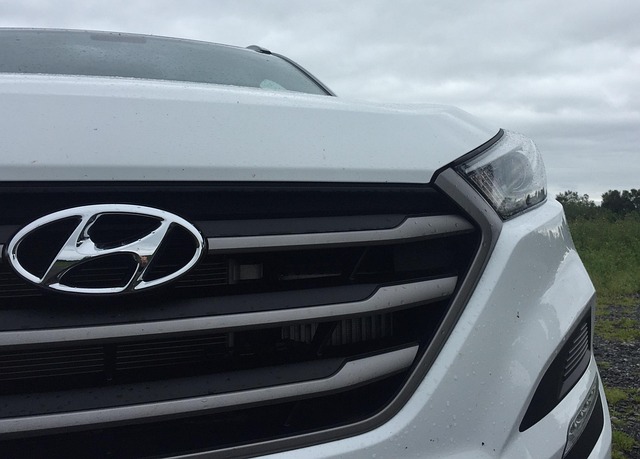
The Hyundai Palisade has quickly become one of the most popular midsize SUVs on the market, and it’s easy to see why. Whether you’re in the market for a brand-new ride or are considering a used model, the Palisade offers a compelling mix of luxury, practicality, and cutting-edge features. Here’s why the Hyundai Palisade is an outstanding choice for both new and used car buyers.
1. Stylish Design with Modern Appeal
One of the standout features of the Hyundai Palisade is its sophisticated, upscale design. The bold front grille, sleek lines, and well-proportioned body give it an air of refinement that’s often reserved for luxury SUVs. The interior continues the theme, with a spacious, high-quality cabin featuring soft-touch materials, elegant accents, and a clean, modern layout.
For buyers considering a new car, the Palisade offers a more premium experience than many of its competitors at a competitive price. And even for used buyers, a gently used Palisade will still turn heads on the road, thanks to its timeless, elegant design. Whether you’re drawn to the sleek exterior or the well-appointed interior, the Palisade delivers style without breaking the bank.
2. Roomy Interior Perfect for Families
For families, the Hyundai Palisade is a dream come true. It comfortably seats up to eight passengers, making it an excellent choice for those who need to transport a crowd without compromising comfort. The cabin is thoughtfully designed, with plenty of space for both front and rear passengers. Second-row captain’s chairs (available in certain trims) add extra comfort and convenience, especially when it comes to accessing the third row.
When you’re not hauling passengers, the Palisade offers a generous amount of cargo space. With the third-row seats folded down, the Palisade provides over 45 cubic feet of cargo room, and when both the second and third rows are down, you get up to 86.4 cubic feet of space—plenty for family vacations, weekend getaways, or big shopping trips.
Even if you’re buying a used Palisade, you’ll find that the spacious interior is just as roomy and practical, with ample headroom and legroom for passengers of all sizes.
3. Cutting-Edge Technology and Features
Hyundai has equipped the Palisade with some of the latest and greatest in automotive technology, making it an attractive choice for tech enthusiasts. The standard 8-inch touchscreen infotainment system (which can be upgraded to a 10.25-inch screen) is user-friendly and comes with Apple CarPlay, Android Auto, and Bluetooth connectivity. You can stream music, make calls, and get directions all from the intuitive interface.
For those who opt for higher trims, you’ll also find features like a 12.3-inch digital gauge cluster, an available premium 12-speaker Harman Kardon sound system, and a wireless charging pad. Even on a used model, these features often hold up well and still deliver a modern tech experience, making the Palisade a great option for those who want convenience and entertainment on the go.
Additionally, the Palisade offers an available 360-degree camera system, making parking and low-speed maneuvering much easier, which is a huge plus for urban drivers.
4. Top-Notch Safety Features
Safety is a major consideration for many car buyers, and the Hyundai Palisade doesn’t disappoint in this department. The Palisade comes equipped with Hyundai’s SmartSense suite of advanced driver assistance features, which include:
- Forward Collision-Avoidance Assist (FCA)
- Lane Keeping Assist (LKA)
- Blind-Spot Collision-Avoidance Assist (BCA)
- Rear Cross-Traffic Collision-Avoidance Assist (RCCA)
- Driver Attention Warning (DAW)
- Safe Exit Assist (SEA)
Even on the used market, the Palisade’s safety features are still highly relevant and help provide peace of mind for families or anyone looking for a secure vehicle. Plus, the Palisade earned top marks in crash tests from both the National Highway Traffic Safety Administration (NHTSA) and the Insurance Institute for Highway Safety (IIHS), proving that it’s a safe choice no matter which model year you pick.
5. Impressive Performance
The Hyundai Palisade is powered by a 3.8-liter V6 engine that produces 291 horsepower and 262 lb-ft of torque. This engine strikes a perfect balance between power and efficiency, providing plenty of pep for highway merging and passing while still delivering decent fuel economy for its class (around 19 mpg city/26 mpg highway).
For those who may be considering a used Palisade, the engine performance holds up well over time. Whether you’re cruising on long trips or navigating city streets, the Palisade offers a smooth, comfortable ride with minimal road noise and impressive stability. It’s also available with either front-wheel drive (FWD) or all-wheel drive (AWD), so you can choose the configuration that best suits your driving needs.
6. Great Value for the Price
When it comes to pricing, the Hyundai Palisade offers excellent value. The starting price for a new Palisade is competitively low compared to other midsize SUVs in its class, especially when you consider the quality of the materials, the number of features, and the size of the vehicle. It’s a great option for buyers who want a more premium SUV experience without the luxury price tag.
For used car buyers, the Palisade’s relatively recent debut (it was introduced in 2020) means that many used models are still in excellent condition. You’ll also likely find that it holds its value well over time, thanks to Hyundai’s reputation for reliability and the SUV’s popularity in the used car market.
7. Hyundai’s Strong Reputation for Reliability
Hyundai has made great strides in recent years, building a strong reputation for reliability and quality. The Palisade continues this trend, with owners consistently praising its build quality and dependability. Whether you’re looking at a new model or a used one, you can feel confident that the Palisade will offer long-term reliability. The fact that Hyundai backs the Palisade with one of the best warranties in the industry—10 years or 100,000 miles for the powertrain—only adds to its appeal.
Final Thoughts: A Great Choice for New and Used Buyers
The Hyundai Palisade is a fantastic option for anyone in the market for a spacious, stylish, and feature-packed SUV. Its combination of upscale design, roomy interior, cutting-edge technology, and strong safety features makes it an ideal choice for families and individuals alike. Whether you’re considering a new or used Palisade, you’re getting a lot of value for your money, along with the peace of mind that comes with Hyundai’s strong reliability record.
If you want a midsize SUV that offers luxury without the hefty price tag, the Hyundai Palisade should be high on your list—whether it’s fresh off the dealership lot or gently used.

When it comes to choosing the right car, buyers have a wide range of options. Some seek luxury, others prioritize fuel efficiency, and still, others crave adventure-ready vehicles. However, one model that seems to check all the boxes for a wide variety of drivers is the Ford Flex.
Whether you’re a busy family, a city commuter, or someone who enjoys the occasional road trip, the Ford Flex’s unique combination of style, versatility, and practicality has earned it a loyal following. Let’s dive into why so many car buyers—regardless of their needs—find the Ford Flex to be the perfect fit.
1. Family-Friendly Functionality
For families, the Ford Flex is a dream come true. With three spacious rows of seating and the ability to comfortably fit up to seven passengers, it’s ideal for long road trips, school runs, or carpooling. The roomy interior ensures that everyone has enough space to stretch out, and with features like easy-to-access rear seats and ample cargo space, getting in and out is a breeze.
Beyond just seating, the Flex comes with a variety of smart storage solutions. Whether it’s a weekend camping trip or just a grocery haul, the Flex’s 20 cubic feet of cargo space (expandable to 83.2 cubic feet with the second and third rows down) gives you more than enough room to store all your gear. For families, this kind of practicality is a game-changer.
2. Style That Stands Out
In a world full of cookie-cutter SUVs and minivans, the Ford Flex offers a distinctive design that’s both bold and refined. Its boxy shape may not scream “sporty” like some other SUVs, but its retro-inspired aesthetic gives it an appealing, quirky charm. With its high roofline and wide stance, it stands apart from the crowd, and for buyers who want a car that reflects their individuality, the Flex is an obvious choice.
Plus, with a variety of colors and trim levels available, you can customize your Flex to suit your personal style. From sleek black and silver finishes to more eye-catching hues, there’s a Flex for almost any taste.
3. A Comfortable and Quiet Ride
Whether you’re commuting in the city or embarking on a weekend road trip, the Ford Flex offers a smooth, quiet ride that’s hard to beat. The cabin is designed to minimize noise and vibrations, creating a calm environment for both drivers and passengers. The ride quality is balanced, neither too stiff nor too soft, making it comfortable for long journeys without sacrificing handling.
Many car buyers are drawn to the Flex for this comfort level. Unlike many larger SUVs that can feel bulky and tough to maneuver, the Ford Flex offers a more refined experience, which appeals to those who want a larger vehicle but don’t want to sacrifice smooth handling.
4. Technology and Safety Features
For tech-savvy buyers, the Ford Flex doesn’t disappoint. It comes equipped with Ford’s SYNC infotainment system, which offers seamless integration with smartphones, voice-activated commands, and even available navigation. In addition, the available rearview camera, park assist, and hands-free liftgate make everyday tasks easier and safer.
Safety is always a top priority, especially for families, and the Ford Flex doesn’t cut corners here. The Flex comes with a comprehensive suite of safety features, including standard stability control, anti-lock brakes, and a suite of airbags. Advanced driver assistance technologies like blind-spot monitoring, adaptive cruise control, and forward-collision warning are also available in higher trims, adding peace of mind on the road.
5. Great for Small Business Owners and Adventurers
The Ford Flex is not just a family hauler—it’s also perfect for those who need a bit more versatility. Small business owners who need to transport clients, equipment, or goods will appreciate the Flex’s cargo capacity and comfortable cabin. Whether you’re hauling tools for your trade or transporting inventory, the Flex offers the kind of utility you might expect from a larger SUV or a minivan, but with a more stylish, streamlined look.
For adventurers, the Flex’s flexible cargo area and towing capabilities make it an appealing choice for camping trips, boat hauls, or weekend getaways. While it’s not an off-road vehicle, it can certainly handle light towing duties and can carry all your gear with ease, making it an ideal partner for road trippers and outdoor enthusiasts.
6. Fuel Efficiency for Its Size
One of the great surprises about the Ford Flex is its reasonable fuel efficiency, especially when you consider its size. The standard V6 engine delivers a solid balance of power and fuel economy. On average, the Flex gets around 18 mpg in the city and 25 mpg on the highway, which is impressive for a vehicle of its class. This makes it more practical for daily use, as it won’t break the bank when it comes to fuel costs.
For buyers who might be concerned about running costs, the Flex delivers a combination of good fuel economy and plenty of space without requiring premium fuel or complex hybrid systems.
7. Affordability and Value
The Ford Flex offers excellent value for the money. It’s typically priced lower than comparable luxury SUVs while still offering many of the same features. When considering its spaciousness, versatility, and array of tech and safety options, the Flex is an appealing choice for those looking to get more bang for their buck.
Whether you’re buying new or used, the Ford Flex retains its value well over time, thanks to its solid build quality and reputation for reliability. This makes it a smart investment for people who want a durable, long-lasting vehicle.
Final Thoughts: A Great Choice for All Types of Buyers
The Ford Flex’s unique blend of style, space, and practicality appeals to a wide range of car buyers. Families, adventurers, small business owners, and commuters alike can find something to love about this standout SUV. With its roomy interior, solid performance, modern tech features, and great value, the Ford Flex proves that it’s not just another SUV—it’s a versatile, all-around great option for almost anyone.
If you’re in the market for a new Ford vehicle and looking for a car that can do it all without sacrificing comfort or style, the Ford Flex might just be the perfect choice for you.
Whether you are looking for a reliable vehicle, all wheel drive, a third row seat, leather seats, a comfortable ride, or just the right used car, head down to Summit Auto Sales to find either a Ford Flex or another car that fits your driving needs.