

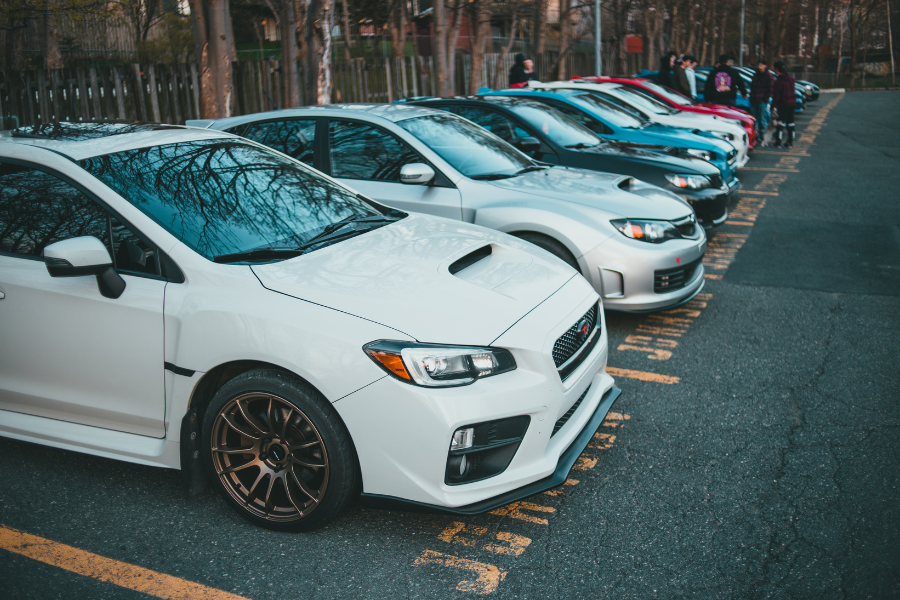
Are you in the market for a reliable and affordable vehicle in Orem, Utah? Whether you’re a local resident or just passing through, navigating the process of buying a used car can be both exciting and daunting. From choosing the right dealership to ensuring the vehicle meets your needs and budget, there are several factors to consider. In this guide, we’ll walk you through the steps to buying a used car in Orem, Utah, ensuring a smooth and successful purchase.
1. Research and Budgeting
Before diving into the world of used car shopping, it’s essential to do your homework. Start by researching the type of vehicle that best suits your needs, whether it’s a compact sedan for city driving or a rugged SUV for outdoor adventures in Utah’s beautiful landscapes. Consider factors such as fuel efficiency, safety features, and cargo space to narrow down your options. Some of the most popular used cars in Orem Utah are; Ford F 150, Honda Accord, Ford Explorer, Land Rover, Honda Civic, Honda Odyssey and much more. You can find an extensive list of vehicle specials, action auto sales, service specials, featured vehicles, popular makes, and just any used cars for sale all from your own mobile phone.
Once you’ve identified a few potential candidates, set a budget for your purchase. Take into account not only the upfront cost of the vehicle but also ongoing expenses such as insurance, maintenance, and registration fees. Establishing a budget will help you narrow down your search and avoid overspending. Be picky when buying any car, but especially a pre-owned vehicle. Make sure to use things like Kelley blue book, get the basic vehicle information and its history, and make as many phone calls to other sellers to make sure you are getting a competitive price. Make sure you factor in everything whether it’s the fuel type, interior color, upgrades or anything else you have a preference on. There are many options for electric vehicles as well. Just because you can use a car finder service to find car deals does not mean you should exclude taking a trip to a car dealership to test drive them before buying.
2. Find Reputable Dealerships
In Orem, Utah, there are several reputable dealerships where you can find a wide selection of used cars. Take the time to research local dealerships and read reviews from previous customers to gauge their reputation and customer service. Look for dealerships that offer a diverse inventory of quality used vehicles, transparent pricing, a great service center, and a commitment to customer satisfaction. Many used dealers will offer parts specials, new vehicle specials, service financing, to make sure you get a great deal even on popular make models.
Some well-known dealerships in Orem include Summit Auto Sales, Larry H Miller Dealerships, Brent Brown Toyota, Orem Mazda, Ken Garff Ford, Tyacke Motors, and Murdock Hyundai of Lindon. These dealerships often have experienced staff with great car reviews, who can assist you in finding the perfect used car to fit your needs and budget. You can find other great comparable dealerships in places around the state like Salt Lake City, South Jordan, or even down south in Payson.
3. Schedule Test Drives
Once you’ve identified a few potential pre-owned vehicles and dealerships, schedule test drives to get a firsthand feel for each car. Pay attention to factors such as driving dynamics, comfort, and overall condition. Take the opportunity to ask questions about the vehicle’s history, maintenance records, and any additional features or warranties included.
During the test drive, be sure to test the vehicle’s acceleration, braking, and handling in various road conditions. Listen for any unusual noises or vibrations that may indicate potential issues. A thorough test drive and a reliable car dealer is essential for ensuring that the vehicle meets your expectations and requirements.
4. Vehicle Inspection and History Report
Before making a final decision, it’s crucial to have the vehicle inspected by a qualified mechanic. A pre-purchase inspection can uncover any underlying issues or mechanical problems that may not be immediately apparent. Many dealerships in Orem offer complimentary or discounted inspections for potential buyers. Pricing used cars can be tricky for some, so make sure you compare prices within a similar vehicle history report before continuing in the process.
Additionally, obtain a vehicle history report to learn more about the car’s past ownership, accident history, and maintenance records. A clean history report can provide peace of mind and confidence in your purchase decision.
5. Negotiate and Finalize the Purchase
Once you’ve found the perfect used car and completed the necessary inspections, it’s time to negotiate the price and finalize the purchase. Be prepared to negotiate with the dealership to secure the best possible deal. Research the market value of similar vehicles and use this information to negotiate a fair price.
Before signing any paperwork, carefully review the terms of the sale, including warranties, financing options, and any additional fees. If you’re financing the purchase, compare offers from multiple lenders to ensure you’re getting the best rate and terms.
6. Enjoy Your New Ride!
Congratulations! You’ve successfully navigated the process of buying a used car in Orem, Utah. Now it’s time to hit the road and enjoy your new ride. Whether you’re exploring the scenic beauty of Utah’s national parks or simply commuting to work, your reliable used car will provide you with years of enjoyment and adventure.
By following these steps and taking your time to research, test drive, and negotiate, you can make a confident and informed decision when buying a used car in Orem, Utah. Happy car shopping!

In the ever-evolving landscape of the automotive industry, consumers are constantly seeking innovative ways to secure their dream car without breaking the bank. Enter branded title car dealerships, a niche market that has been gaining traction in recent years. But what exactly are branded title cars, and what should you consider before diving into this unique realm of car buying? In this comprehensive guide, we’ll delve deep into the world of branded title car dealerships, exploring everything from their origins to the potential risks and rewards.
Unveiling the Concept: What are Branded Title Cars?
Before we embark on our journey into the realm of branded title car dealerships, it’s crucial to understand the concept of branded title cars themselves. Simply put, a branded title car is one that has been previously salvaged, rebuilt, or otherwise deemed a total loss by an insurance company. This branding is typically indicated on the vehicle’s title itself, serving as a permanent reminder of its tumultuous past. The difference between a salvage title, branded title vehicle, rebuilt vehicle, or just a car that had reported some sort of damage whether an accident or even just hail damage will all be included in the vehicle history report.
The Rise of Branded Title Car Dealerships
In recent years, branded title car dealerships have emerged as a viable option for consumers seeking an affordable motor vehicle with a bit of history. These dealerships specialize in selling cars with branded titles, offering them at significantly lower prices compared to their clean-titled counterparts. The allure of branded title cars lies in their affordability, making them an attractive option for budget-conscious buyers or those looking to snag a deal on a specific make or model. There are many things to consider, good and bad, before considering a rebuilt title or even a salvage vehicle.
Exploring the Pros and Cons
As with any major purchase, there are both advantages and disadvantages to consider when it comes to buying from a branded title car dealership.
Pros:
- Cost Savings: The most obvious benefit of purchasing a branded title car is the potential for significant cost savings. These vehicles are typically priced well below market value, allowing buyers to stretch their budget and potentially afford a higher-end model.
- Variety: Branded title car dealerships often boast a diverse inventory of vehicles from various makes and models. This variety gives buyers more options to choose from, increasing the likelihood of finding the perfect car to suit their needs and preferences.
- Negotiation Leverage: Due to the stigma associated with branded title cars, buyers may have more room for negotiation when it comes to price. Dealerships are often willing to offer discounts or incentives to move inventory, giving savvy buyers the upper hand in negotiations.
Cons:
- Limited Financing Options: Securing financing for a branded title car can be challenging, as traditional lenders may be wary of providing loans for vehicles with questionable histories. Buyers may need to explore alternative financing options or be prepared to pay in cash.
- Unknown Quality: Despite undergoing inspections and repairs before being sold, there’s always a degree of uncertainty regarding the overall quality and reliability of branded title cars. Buyers run the risk of encountering hidden issues or unexpected repairs down the line.
- Resale Value: Branded title cars typically have lower resale values compared to their clean-titled counterparts. This depreciation can impact the long-term value of the vehicle and may affect the buyer’s ability to recoup their investment when it comes time to sell or trade in the car.
Determining whether branded title vehicles cost more than clean title vehicles over the lifetime of the vehicle involves considering various factors and individual circumstances. Here’s a breakdown of key considerations:
Initial Cost Savings vs. Potential Long-Term Costs:
- Initial Cost Savings: Branded title vehicles typically come with lower purchase prices compared to their clean title counterparts. This initial cost savings can be attractive to budget-conscious buyers or those looking for a bargain deal on a specific make or model.
- Potential Long-Term Costs: While branded title vehicles offer upfront savings, they may incur higher long-term costs due to factors such as:
a. Maintenance and Repairs: Branded title vehicles may require more frequent maintenance and repairs compared to clean title vehicles, especially if they have underlying issues from previous damage. Repair costs can add up over time, potentially offsetting the initial cost savings.
b. Resale Value: Branded title vehicles typically have lower resale values compared to clean title vehicles. When it comes time to sell or trade in the vehicle, owners may receive less money for their branded title car, resulting in a higher overall cost of ownership.
Insurance and Financing Considerations:
- Insurance Costs: Insurance premiums for branded title vehicles may be higher compared to clean title cars due to perceived higher risks associated with salvaged or rebuilt cars. Certified buyers should obtain insurance quotes and factor in potential higher premiums when calculating overall costs. An insurance company will incur a lot more risk in certain situations and that might be reflected in your quote depending on the vehicle title. To understand what your salvage car might cost to insure from a dealer, you can always contact your insurance company with the vehicle registration info and title brand to get a better idea of what you will have to pay to insure the car.
- Financing Challenges: Securing financing for branded title vehicles can be more difficult compared to clean title vehicles. Traditional lenders may be hesitant to provide loans for cars with questionable histories, leading car buyers to explore alternative financing options or pay in cash.
Individual Factors and Risk Tolerance:
- Individual Circumstances: The overall cost of owning a branded title vehicle can vary based on individual circumstances such as driving habits, maintenance practices, and the specific condition of the vehicle at the time of purchase.
- Risk Tolerance: Buyers should consider their risk tolerance and willingness to accept potential uncertainties associated with branded title vehicles. While some buyers may be comfortable with the risks in exchange for lower upfront costs, others may prefer the peace of mind that comes with a clean title vehicle, even if it means paying a higher price.
Whether branded title vehicles cost more than clean title vehicles over the lifetime of the vehicle depends on various factors and individual preferences. While branded title vehicles offer initial cost savings, they may incur higher long-term costs due to maintenance, repair, insurance, and resale considerations. Prospective buyers should carefully weigh the potential risks and rewards before deciding whether a branded title vehicle is the right choice for their needs and budget. Additionally, conducting thorough research, obtaining professional inspections, and considering all associated costs can help buyers make informed decisions and mitigate potential challenges down the line.
Navigating the Buying Process
If you’re considering purchasing a branded title car, it’s essential to approach the buying process with caution and diligence. Here are a few key steps to keep in mind:
- Research: Take the time to research the specific vehicle you’re interested in, including its history, repair records, and any potential red flags. Online resources such as vehicle history reports and forums can provide valuable insights into the car’s background.
- Inspection: Before making a purchase, have the vehicle thoroughly inspected by a trusted mechanic or qualified technician. This step is crucial for uncovering any hidden issues or underlying problems that may not be immediately apparent.
- Transparency: Look for branded title car dealerships that prioritize transparency and are willing to provide detailed information about the vehicle’s history and repairs. Ask questions, request documentation, and don’t be afraid to walk away if something doesn’t seem right.
Final Thoughts: Is it Worth the Risk?
In the end, the decision to purchase a branded title car ultimately comes down to weighing the risks against the potential rewards as the vehicle owner. While these vehicles offer significant cost savings and a wide range of options, they also come with inherent uncertainties and potential drawbacks. By conducting thorough research, seeking professional inspections, and exercising caution throughout the buying process, buyers can mitigate some of the risks associated with branded title cars. Branded title car dealerships represent a niche market that caters to a specific segment of consumers. For some, the allure of a bargain deal may outweigh the risks, while others may prefer to stick with clean-titled vehicles for peace of mind. Whatever your decision may be, remember to approach the buying process with a healthy dose of skepticism and scrutiny. After all, a little caution now can save you a lot of headaches later on. Happy car hunting!

Can you insure a branded title car? Many people feel like this is a question and a hurdle that they cannot overcome to even begin the buying process in the rebuilt title market. On the other hand, maybe you’ve found a great deal on a vehicle with a branded title due to salvage, rebuilt, or flood damage. But can you insure it after all? While these cars can offer significant cost savings upfront, insuring them can present unique challenges. In this blog post, we’ll explore what branded title cars are, the insurance considerations involved, and how you can successfully insure one of your own.
Understanding Branded or Salvage Title Cars
Before diving into insurance, let’s clarify what branded title cars are. A branded title is a designation given to vehicles that have sustained significant damage, often due to accidents, floods, theft recoveries, or other events. When an insurance company determines that the cost of repairing the vehicle exceeds its value, they may declare it a total loss and issue a branded title.
Insurance Challenges
Insuring a branded title car can be trickier than insuring a vehicle with a clean title. Since branded title cars have a history of damage, insurance companies may view them as higher risk. As a result, finding coverage at an affordable rate can be challenging. Some insurers may even refuse to cover branded title vehicles altogether.
Tips for Insuring a Branded Title Car
While insuring a branded title car may require extra effort, it’s not impossible. Here are some tips to help you navigate the process:
- Research Insurance Providers: Not all insurance companies have the same policies regarding branded title cars. Take the time to research different providers and inquire about their willingness to insure these vehicles. Just like you would do with health insurance, life insurance, liability insurance or home insurance, it is important to understand the coverage that comes with each in order to find the best car insurance company for you. There are many popular choices that many people will regard and the best car insurance companies, but the differences you will find while working with salvage vehicles, branded title, and/or rebuilt title cars should be the biggest factors in your decision-making process.
- Provide Documentation: Be prepared to provide detailed documentation about the vehicle’s history, including repair records, photographs, what made it a salvage car, and any relevant paperwork. This information can help insurers assess the vehicle’s condition and determine its insurability.
- Consider Specialty Insurers: Some insurance companies specialize in providing coverage for high-risk vehicles, including branded title cars. While their premiums may be higher, they may be more willing to insure your vehicle.
- Opt for Liability Coverage: Since comprehensive and collision coverage may be expensive or unavailable for branded title cars, consider opting for liability coverage only. While this won’t cover damage to your vehicle, it will provide protection against damage or injury you may cause to others.
- Maintain the Vehicle: Keeping your branded title car in good condition can help improve its insurability. Regular maintenance and prompt repairs can demonstrate to insurers that you’re committed to safety and responsible ownership.
- Shop Around: Don’t settle for the first insurance quote you receive. Shop around and compare rates for a rebuilt car from multiple insurers to find the best coverage options for your budget.
State Specific Rules and Regulations
Another thing to keep in mind is that car insurance policies for rebuilt title vehicles can vary depending on the state you live in. Each state has its own set of regulations and requirements when it comes to insuring rebuilt title cars. Here are some factors that may differ from state to state:
- Title Branding Laws: State laws dictate how vehicles are branded after being declared salvage and subsequently rebuilt. Some states may have strict guidelines for the rebuilding process, while others may have more lenient requirements. Insurance companies take these laws into account when determining coverage options and rates. Title brand laws in each state affect any motor vehicle you are wanting to insure, whether it is a salvage title, rebuilt title, or even a clean title.
- Insurance Regulations: States regulate the insurance industry differently, which can affect the availability and cost of insurance for rebuilt title cars. Some states may have specific insurance requirements for rebuilt vehicles, such as mandatory inspections or higher liability coverage limits.
- Insurance Company Policies: Insurance companies may have varying policies regarding insuring rebuilt title cars based on their experiences and risk assessments in different states. Some insurers may be more willing to provide coverage for rebuilt title vehicles in certain states, while others may be more cautious or reluctant.
- Market Conditions: Market conditions, including the demand for rebuilt title cars and the availability of insurance coverage, can also vary by state. In states where rebuilt title vehicles are more common or where there is a higher demand for them, insurance companies may offer more competitive rates or specialized coverage options.
- State-Specific Factors: Certain state-specific factors, such as climate, geography, and road conditions, can influence insurance rates for all vehicles, including those with rebuilt titles. For example, states prone to natural disasters like floods or hurricanes may have higher insurance premiums for rebuilt title cars due to increased risk of damage.
It’s essential to understand the insurance requirements and regulations specific to your state when insuring a rebuilt title vehicle. Consulting with local insurance agents or researching state insurance laws can help you navigate the process and find the right coverage for your needs.
Utah Salvage Title Auto Insurance
For those of you who live here in Utah, there are specific laws and regulations governing the insuring of rebuilt or salvage title cars. It’s essential to familiarize yourself with Utah’s specific laws and regulations regarding rebuilt salvage vehicles when insuring one in the state. Working with a knowledgeable insurance agent who understands the ins and outs of insuring rebuilt title cars can help you navigate the process and find the coverage that meets your needs. Insuring a branded title car or a rebuilt vehicle may pose some challenges, but with the right approach, it’s entirely feasible. By researching insurance providers, providing thorough documentation, and exploring your coverage options, you can find the protection you need for your branded title vehicle. Remember to prioritize safety and responsible ownership to improve your chances of securing affordable coverage. With careful planning and diligence, you can enjoy the benefits of owning a branded title car without breaking the bank on insurance.

In the world of used cars, there’s a term that often pops up but isn’t always fully understood: branded titles. It’s the kind of phrase that can send a shiver down the spine of prospective buyers, but what does it really mean? Is it a deal-breaker, or just a bump in the road? Let’s dive into the world of branded titles and uncover what they mean for your next car purchase and then what the benefits of buying one in the state of Utah look like.
What is a Branded Title?
A branded title is essentially a car’s certificate of title that has been “branded” by a state agency, typically due to significant damage, theft, or other circumstances that resulted in an insurance claim. These titles are different from clean titles, which indicate that a vehicle has never been significantly damaged, stolen, or deemed a total loss by an insurance company.
Types of Branded Titles
- Salvage Title: This is perhaps the most infamous type of branded title. A salvage title is given to a vehicle when it’s been declared a total loss by an insurance company due to extensive damage. This could be from accidents, floods, fires, or other disasters. A salvage vehicle should come with a salvage certificate attached to its car title and be reported to the division of motor vehicles so that the prospective purchaser has this information prior to its purchase/ownership.
- Rebuilt Title: After a salvage title car has been repaired and restored to roadworthiness, it can be issued a rebuilt title. This means the vehicle has passed a state inspection and is legally allowed back on the road. However, it will always carry the history of being salvaged.
- Flood-Damaged Title: Cars that have been severely damaged by flooding may receive a flood-damaged title. Even after repairs, these vehicles may suffer from long-term issues related to water damage.
- Lemon Title: Lemon laws vary by state, but generally, they apply to cars that have significant defects that weren’t repairable after a certain number of attempts. A lemon title signifies that the car has a history of recurring problems.
You can also find cars that have experienced things such as hail damage that only affect the cosmetic appearance of the car and have less to do with the integrity of the car as a whole. Car owners should always know the issues and damages associated with their vehicle identification number and how these things affect their car worth, auto insurance rates, the original title, and many other things. Also, it is important to keep these things in mind when purchasing any motor vehicle as there can always be factors that play in to buying things like a motorcycle, RV, boat, jet ski, and more.
What Does It Mean for Buyers?
Now that we know what branded titles are, let’s address the big question: should you steer clear of them? Well, it’s not a straightforward yes or no. A branded title vehicle can present both risks and opportunities.
Pros:
- Lower Prices: Branded title cars typically sell for significantly less than their clean title counterparts. If you’re willing to accept the risk, you could snag a good deal.
- Chance for Bargains: Some branded title cars have been repaired to a high standard and can offer good value for money.
Cons:
- Resale Value: A car with a branded title will almost always have a lower resale value compared to a similar vehicle with a clean title. This can make it harder to sell down the line.
- Unknown History: While a seller might disclose the reason for the branded title, it can be challenging to know the full extent of the damage and repairs done to the vehicle.
Branded title cars can offer opportunities for savvy buyers who are willing to take on a bit of risk. However, it’s essential to proceed with caution, do your due diligence, and weigh the potential benefits against the drawbacks before making a decision on a specific vehicle. After all, when it comes to buying a car, knowledge is your best friend.
Branded Titles Utah: What do you need to know if you live here?
Utah, with its stunning landscapes and vibrant cities, is a place where adventure meets practicality. When it comes to buying a car in the Beehive State, one option that often gets overlooked is branded title vehicles. While branded titles might have a stigma attached to them elsewhere, Utah presents a unique landscape where these cars can offer some compelling benefits. Let’s explore why buying a branded title car in Utah might just be the smart choice.
1. Affordability
Utahans are known for their practicality and thriftiness, and a branded title vehicle does align perfectly with these values. With branded title vehicles typically priced significantly lower than their clean title counterparts, Utah buyers can stretch their budgets further and potentially afford a higher-end or newer model car. Car insurance rates can also be impacted with a salvage title vehicle especially in the Utah division.
2. Minimal Depreciation
One of the lesser-known benefits of buying a branded title vehicle in Utah is the minimized depreciation. While clean title cars experience rapid depreciation the moment they’re driven off the lot, branded title cars have already undergone the majority of their value depreciation due to their history. This means that the depreciation curve tends to flatten out, providing buyers with better long-term value retention.
3. Relatively Lenient Title Laws
Utah’s titling laws are relatively lenient compared to some other states, making it easier for branded title cars to be re-registered and insured. This streamlined process means less hassle for buyers and potentially faster turnaround times, allowing them to get behind the wheel of their new car sooner rather than later.
4. High-Quality Repairs
Utah boasts a thriving automotive industry, with skilled technicians and repair shops dotting the landscape. Many branded title cars in Utah undergo repairs and restoration work to impeccable standards, ensuring that they are roadworthy and safe to drive. With access to expert craftsmanship and quality parts, buyers can have confidence in the reliability and longevity of their branded title purchase.
5. Wide Selection
Utah’s bustling used car market offers a wide selection of branded title vehicles to choose from. Whether you’re in the market for a compact sedan, a rugged SUV, or a capable pickup truck, chances are you’ll find a branded title option that suits your needs and preferences. Plus, with Utah’s varied terrain and climate, there’s a car to tackle every adventure, from mountain trails to city streets. Car selling of a branded title can be tedious so just know that there are many options available for good and bad reasons alike.
Considerations Before Buying
While there are undeniable benefits to purchasing a branded title car in Utah, it’s essential to approach the process with caution and diligence. Here are a few considerations to keep in mind:
- Get a Professional Inspection: Always have a trusted mechanic inspect the car thoroughly before making a purchase. They can identify any hidden issues that might not be immediately apparent. Depending on what utah title is present they can inform you of certain risks associated with each vehicle. A safety inspection is also a must have in this scenario for car buyers to have that peace of mind as they continue in the buying process.
- Research the Car’s History: Obtain as much information as possible about the car’s history, including the reason for the branded title and details of any repairs that have been made. This info should be reported and known as well by your Utah DMV upon vehicle registration. A vehicle application typically will provide this information from the vehicle owner. When buying from an individual or a private dealer it is also important to make sure you have an accurate and current license plate, and to know the theft recovery information so you know that the car wasn’t previously stolen.
- Understand Insurance and Financing Implications: Be aware that insurance premiums and financing options for branded title cars may differ from those for a clean title vehicle. Shop around to find the best rates and terms that suit your needs. There are always options to buy online in Utah or anywhere else in the United States for that matter, but make sure to do all the necessary research beforehand as a rebuilt vehicle can have many things you need to know about before you understand its fair market value.
In conclusion, buying a branded title car in Utah can offer several benefits, including affordability, minimal depreciation, streamlined titling processes, high-quality repairs, and a wide selection to choose from. However, it’s essential to approach the process with caution, conduct thorough research, and enlist the help of professionals to ensure a positive buying experience. With the right approach, purchasing a branded title car in Utah can be a smart and rewarding investment for drivers looking to get more value for their money.

Buying a used car can be both exciting and daunting. On one hand, you have the potential to find a great deal and save a significant amount of money compared to buying new. On the other hand, there are numerous factors to consider, from the condition of the car to the reliability of the seller. In this comprehensive buyers guide, we’ll delve into the various aspects of buying a used car, providing you with the knowledge and tools necessary to make informed decisions and ensure a smooth purchasing process. We’ve provided all buyers with a simple 7 step process to help them make informed choices, and never have buyers remorse.
- Assessing Your Needs and Budget
Before you even start browsing listings, it’s crucial to assess your needs and budget. Consider factors such as:
- How will you primarily use the car? Commuting, family transportation, weekend adventures?
- What features are essential to you? Safety, fuel efficiency, cargo space, technology?
- What is your budget for the purchase as well as ongoing expenses like insurance, maintenance, and fuel?
By clearly defining your needs and budget, you can narrow down your options and focus on vehicles that meet your criteria without breaking the bank. Car shopping can be a tedious process, but identifying the parts of a vehicle that are most important to you can help you eliminate options that wouldn’t be a good fit quickly.
- Researching the Market
Once you have a clear idea of what you’re looking for, it’s time to research the used car market. There are many differences in the car buying experience when you are looking at a pre owned vehicle rather than a new car. There are many tools available to help you in your research. You can use online resources such as automotive websites, forums, and classified ads to explore available options. Accessing these sites can give you information like the vehicle history report, consumer alerts, implied warranty, average insurance cost, a privacy statement, and other details that can simplify the buying experience.
While you are researching the new or used car market, it is important that you understand your own personal information and situation to make a smart financial decision before contacting any private, public, or local dealer. Knowing whether you want to take out an auto loan and go the financing route, or whether you have the cash available to avoid a car loan is a big first step. All car shoppers should have this decision already made, understanding the risks and benefits to both, before they look into other remaining factors like car insurance costs or registration fees. Having a car buying guide like this can help you whether you choose to go through a private seller or a dealership. Once you have decided whether to go the dealer financing route with a monthly payment, or if you have sufficient cash on hand there are also other details to be aware of.
Pay attention to additional factors such as:
- Average prices for the make and model you’re interested in
- Common issues or complaints reported by owners
- Depreciation rates and resale values
- Availability of specific features or trim levels
By gathering as much information as possible, you’ll be better equipped to identify good deals and avoid potential pitfalls.
- Inspecting and Test Driving
When you find a promising candidate, it’s essential to inspect the car thoroughly and take it for a test drive. A test drive can be one of the quickest and easiest ways to find out whether a car is right for you. Here are some key points to keep in mind:
- Check the exterior for signs of damage, rust, or repainting.
- Inspect the interior for wear and tear, odors, and functionality of features.
- Pop the hood and look for leaks, corrosion, or any obvious mechanical issues.
- Take the car for a test drive on various road types to assess its handling, acceleration, braking, and overall comfort.
If possible, have a trusted mechanic inspect the car to identify any hidden problems that may not be apparent to the untrained eye. Knowing what features are important to you can help you eliminate options before bringing your car to a mechanic as well. Some of the top used cars purchased last year were; Honda Civic, Honda Accord, Toyota Camry, Honda Odyssey, and Ford F 150. These cars all have different features but to many people buying used cars, many agree that certain models like these are better in a used condition.
- Reviewing Vehicle History Reports
Before making a purchase, always obtain a vehicle history report using the car’s VIN (Vehicle Identification Number). Especially when buying a vehicle from a private seller it is essential to have the information on hand. These reports provide valuable information about the car’s past, including:
- Accident history
- Title status (clean, salvage, rebuilt)
- Odometer readings and potential odometer rollback
- Service records, recalls, and service contract
Reviewing the vehicle history report can help you uncover any red flags and make an informed decision about whether to proceed with the purchase. There are many websites today that make this process simplified for you to make your buying experience less stressful.
- Negotiating the Price
Once you’ve completed your inspections and are satisfied with the car’s condition, it’s time to negotiate the price. Use your research on market prices and the car’s condition as leverage to negotiate a fair deal. Be prepared to walk away if the seller isn’t willing to meet your terms, as there are always other options available. Many of these suggestions, especially in negotiating the price, will vary heavily whether you are looking to buy from a private seller, a car dealership, or even a local auction for motor vehicles. A car dealer can come in many shapes and sizes today as many dealerships sell not only new cars, but used cars, salvage titles, branded titles and so much more. Knowing the differences of each of these locations to buy a vehicle is very important, and whether you’re here locally in Utah or somewhere here in the United States, most of these options will be available for you.
As you are looking for the perfect fit for you or your family it is always important to take a step back and understand the timing of your car buying experience. The fluctuations in the market can always incentivize or deter buyers from making the final call to get the car they have been looking at. Knowing what you and your family need, and the situation you are in can help you make sure that you will not have buyers remorse after making that big purchase. Doing all the before-mentioned research can be a game changer in knowing that you checked all the boxes you needed to check before feeling like the decision was rushed or made for you.
- Completing the Transaction
Before buying your desired vehicle and finalizing the purchase, make sure to take care of all necessary paperwork and documentation. This includes:
- Signing the title and bill of sale
- Transferring registration and auto insurance
- Obtaining a temporary or permanent license plate
- Making payment via a secure method such as cashier’s check or electronic transfer
Double-check that all paperwork is accurate and complete to avoid any issues down the road. If you decide to go through a private dealer then this is a very important part to understand as there will always be scams and fake opportunities out there that may try and take advantage of you. The risk is there whether you are buying a new vehicle or a used one, but make sure to take caution in these final steps of your car buying process.
- Post-Purchase Considerations
Once you’ve bought the car with cash or financing, there are a few additional steps to take to ensure a smooth ownership experience:
- Transfer any remaining warranty or purchase an extended warranty for added peace of mind.
- Schedule regular maintenance and address any minor issues promptly to prevent them from becoming major problems.
- Keep thorough records of all maintenance and repairs for future reference and potential resale.
Buying a used car can be a rewarding experience when approached with careful planning and research. By assessing your needs, researching the market, inspecting vehicles thoroughly, reviewing vehicle history reports, negotiating effectively, completing transactions diligently, and considering post-purchase considerations, you can make informed choices and save money in the process. At the end of the day, every person’s wants and needs are different and approaching your buyer experience with that in mind can help you make the decision that is truly best for you, regardless of what the market or other might say. With the right knowledge and preparation, finding the perfect used car for your needs is within reach.
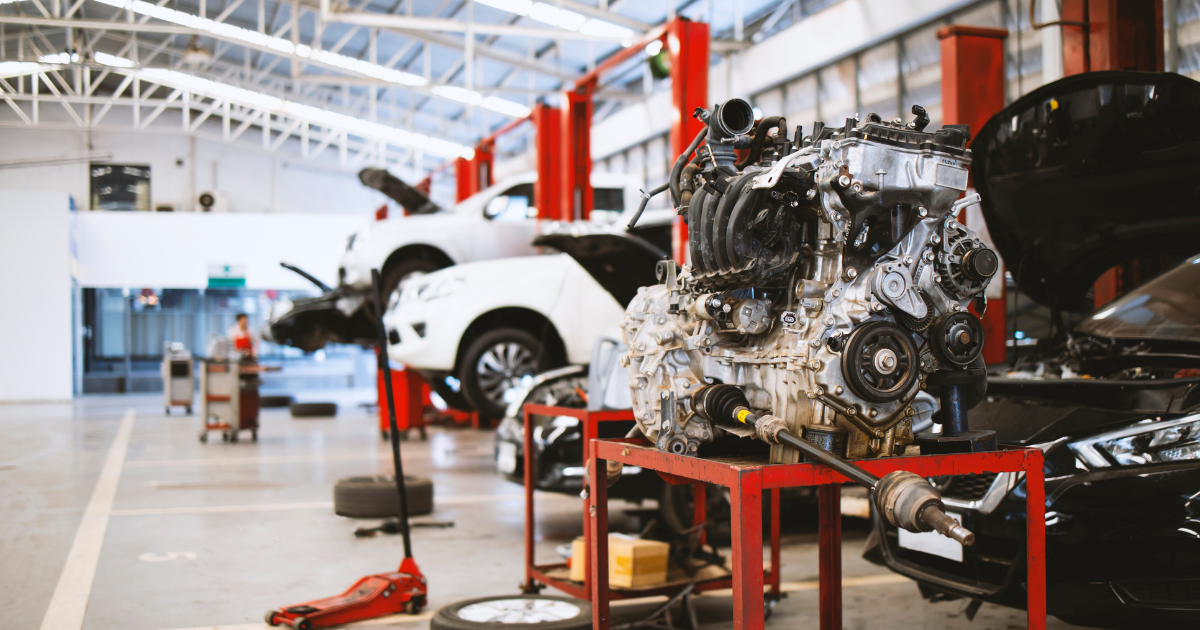
Car maintenance plays an important role in the overall health and longevity of your automobile. Regular maintenance is akin to a proactive health check for your vehicle, identifying and addressing potential issues before they get into costly problems. This preventive approach not only ensures a smooth and reliable driving experience but also contributes significantly to your safety and the safety of others on the road. Neglecting routine maintenance can lead to a lot of problems, ranging from decreased fuel efficiency and poor performance to major mechanical failures, leaving you stranded at the most inconvenient times.
Furthermore, proper car maintenance directly impacts your vehicle’s resale value. A well-maintained car is more attractive to potential buyers and commands a higher resale value compared to a neglected one. Routine tasks like engine oil changes, brake service, and tire rotations not only preserve the mechanical integrity of your vehicle but also demonstrate your commitment to responsible ownership. Additionally, it’s worth noting that numerous warranties and car insurance policies require evidence of regular vehicle maintenance to remain valid. This emphasizes how the industry acknowledges the vital role that maintenance plays in ensuring your vehicle is reliable and safe.. In this blog post, we’ll explore a comprehensive car maintenance checklist covering essential aspects such as oil change, preventive vehicle maintenance, brake service, air filter checks, battery testing, tire pressure and rotation, motor oil, transmission fluid, brake inspection, and the importance of regular car washes.
Oil Change:
One of the most critical aspects of car maintenance is changing the oil regularly. Follow your manufacturer’s recommendations for oil change intervals, typically every 3,000 to 5,000 miles. Regular oil changes ensure proper lubrication of the engine components, preventing unnecessary wear and tear.
Preventive Maintenance:
Establishing a routine maintenance schedule is key to preventing potential issues before they become major problems. This includes regular inspections of belts, hoses, and other components. Keep an eye on your vehicle’s maintenance schedule in the owner’s manual to stay ahead of potential issues.
Brake Service:
The braking system is a vital safety component in any vehicle. Regularly inspect and service your brake pads, rotors, and fluid to ensure optimal braking performance. Replace brake pads as needed and have the brake system checked by a professional regularly.
Air Filter Check (Engine and Cabin):
Clean air filters contribute to better fuel efficiency and improved air quality inside the vehicle. Check and replace both the engine and cabin air filters according to your vehicle’s maintenance schedule. A clean engine air filter ensures proper fuel combustion, while a clean cabin air filter enhances the air quality inside the vehicle.
Battery Testing:
A failing battery can leave you stranded, often at the most inconvenient times. Test your battery regularly, especially before extreme weather conditions. Most auto repair shops and roadside assistance services offer battery testing to identify potential issues before they escalate.
Tire Pressure and Rotation:
Proper tire maintenance is essential for safety and fuel efficiency. Check your tire pressure regularly and rotate the tires according to the manufacturer’s recommendations. This ensures even tire wear, and better traction, and extends the overall lifespan of your tires.
Motor Oil:
In addition to regular oil changes, monitor the oil level between services. Maintaining the correct oil level is crucial for the engine’s proper functioning. If you notice a significant drop in oil levels, consult with an auto repair professional to identify and address potential leaks.
Transmission Fluid:
Transmission fluid is vital for the smooth operation of your vehicle’s transmission system. Check the fluid level regularly and adhere to the recommended service intervals for a transmission fluid change. Regular maintenance helps prevent costly transmission repairs and ensures a smoother driving experience.
Wash the Car:
While it may seem like a cosmetic concern, regular car washes are more than just about keeping your vehicle looking good. Washing your car removes dirt, salt, and other contaminants that can lead to corrosion over time. A clean vehicle is not only aesthetically pleasing but also contributes to its overall health.
7 Signs My Car Needs Maintenance Done
Dashboard Warning Lights:
- Pay attention to the warning lights on your dashboard. They are designed to alert you to potential issues with your vehicle. Common warning lights include the check engine light, oil pressure light, or brake system warning light.
Strange Noises:
- Unusual sounds, such as squeaks, squeals, grinding, or knocking, can indicate potential problems. Pay attention to any changes in the typical noise your car makes.
Vibrations or Shaking:
- If you notice vibrations or shaking while driving, it could be a sign of issues with the tires, brakes, suspension, or other components. Addressing these problems promptly can prevent further damage.
Decreased Performance:
- A decrease in your car’s performance, such as reduced acceleration, poor fuel efficiency, or difficulty starting, may indicate issues with the engine, fuel system, or other vital components.
Fluid Leaks:
- Check for any puddles or spots under your parked car. Different colored fluids may indicate various problems, such as oil leaks (dark brown or black), coolant leaks (green or orange), or brake fluid leaks (clear to brown).
Difficulty Steering or Braking:
- If you experience difficulty steering or notice a change in the responsiveness of your brakes, it could be a sign of issues with the steering system, brake pads, or brake fluid.
Unusual Smells:
- Pay attention to any strange odors coming from your car. A burning smell could indicate an overheating engine or brakes, while a sweet smell may suggest a coolant leak. An exhaust smell inside the car could be a sign of an exhaust system issue.
If you observe any of these signs, it’s essential to address them promptly by consulting your vehicle’s manual or taking your car to a qualified mechanic for a thorough inspection and necessary repairs. Regular maintenance not only ensures the safety and reliability of your vehicle but also helps prevent costly repairs in the long run.
How Often Should You Take Your Vehicle in for an Inspection?
Regular car inspections are essential for maintaining optimal performance and preventing potential issues. As a general guideline, it is advisable to schedule a comprehensive inspection at least once a year or every 12,000 miles, whichever comes first. However, specific maintenance needs can vary based on factors like the vehicle’s make and model, driving conditions, and the manufacturer’s recommendations outlined in the owner’s manual. Routine inspections typically include checks on essential components such as brakes, tires, fluid levels, and overall system functionality. Adhering to a consistent inspection schedule ensures that any emerging problems are identified early, promoting safety, and reliability, and extending the lifespan of the vehicle. Additionally, following the manufacturer’s guidelines for oil changes, tire rotations, and other routine tasks contributes to the overall health and longevity of your car.
Regular car maintenance is a holistic approach that encompasses various aspects, from routine tasks like oil changes to more specialized services like brake inspections. Following a comprehensive checklist and adhering to your vehicle’s maintenance schedule can significantly reduce the risk of breakdowns, enhance safety, and prolong the life of your vehicle. Don’t forget to consider roadside assistance and stay proactive in seeking professional help when needed. Taking care of your vehicle today ensures a smoother and worry-free driving experience tomorrow, ultimately saving you both time and money in the long run.
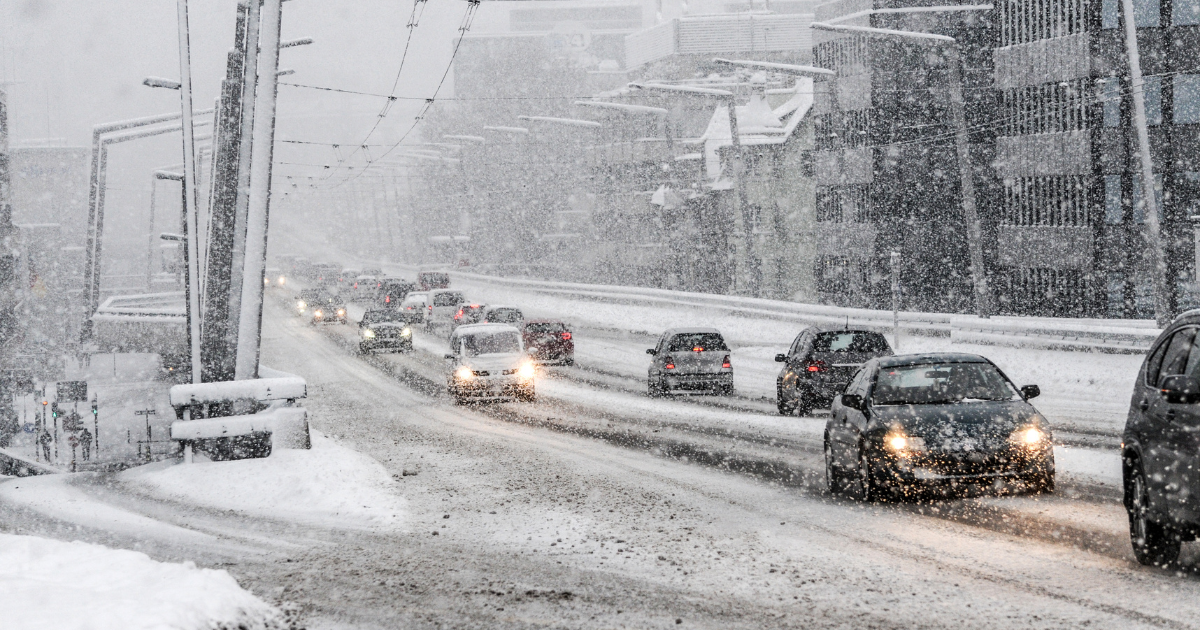
When the snow blankets the ground and icy winds chill the air, having the right car can make all the difference. Whether you’re commuting to work, going on a ski trip, or simply trying to navigate your daily life, a snow-ready vehicle ensures safety, stability, and peace of mind. In this short list, we explore the top cars that excel in snowy conditions, combining performance, safety, and comfort. No matter what features you value most, there is a vehicle here for you. We have listed below 8 of our best cars for snow this year and some of the features that earned them a spot on this list.
1. Subaru WRX
- All-Wheel Drive: The WRX’s standard all-wheel drive provides exceptional traction on slippery surfaces for a vehicle of its size. It is one of our best luxury cars for winter driving. In our opinion it just tops the Subaru Forester. Each car is impressive when it comes to snow driving, safety features, traction, and overall car reviews in general.
- Turbocharged Engine: The turbocharged four-cylinder engine delivers power even in challenging conditions. This is what we believe makes the WRX such a fun car even in the winter weather. What is lacks in ground clearance, it makes up for in power while still maintaining good stability for a smaller vehicle.
- Plastic Body Cladding: While the average consumer may think it is a car that is controversial in style, it is truly beneficial on snowy, salty roads providing the vehicle and its passengers with extra protection.
2. Subaru Ascent
- Standard All-Wheel Drive: The Ascent’s all-wheel drive ensures stability and gives it a similar feel to a Subaru Outback, when it comes to deep snow driving no matter what kind of tires you have.
- Generous Ground Clearance: With 8.7 inches of ground clearance, this vehicle conquers bumps, debris, and snow no matter the road condition. Ground clearance is a popular topic when it comes to snow, and is valued by many car buyers alike.
- Spacious Interior: Plenty of room across three rows of seating that makes it ideal for family outings.
3. Volvo V90
- Safety: Volvo’s reputation shines in the V90, with advanced safety features. The Volvo v90 cross country is great even without snow tires. While the V90 does come with a hybrid option, it is far and away a better choice than any electric vehicles on the market today in regards to winter driving for a new car.
- Ground Clearance: Having increased ground clearance makes it a more than adequate height for snowy roads.
- Luxurious Interior: The V90 is a comfortable vehicle even in freezing winter conditions with optional features like heated seats, a heated steering wheel, and automatic emergency braking.
4. Honda CR V
- All-Wheel Drive Option: The CR-V tackles snow and slush with ease. It is one of our top picks for best suv beating out another top vehicle like the Jeep Grand Cherokee. It has great ground clearance for a car of its size.
- Spacious Cabin: Ideal for family trips or hauling winter gear or even winter tires. While a new CR-V is not going to be as cheap as an old Dacia Duster, it will give you everything your family needs to confidently tackle whatever conditions you come across on the roads, for years to come.
5. Nissan Altima
- Optional All-Wheel Drive: Having AWD in an Altima makes it a versatile choice for winter driving even without winter tires. It is a great vehicle for any lifestyle and provides confidence even with limited ground clearance.
- Fuel Efficiency: This is a car that is definitely suitable for daily commutes even in icy conditions regardless of what tires you have.
6. Toyota Camry
- New All-Wheel Drive Option: Toyota’s most reliable sedan now offers all-wheel drive. This car is another sedan with limited ground clearance but proves time and time again that many of its other strengths help overcome its small shortcomings.
- Advanced Safety Features: The Camry is a smart choice for winter safety as it has many options of tires to choose from. Having many safety options on a trusted vehicle like a Camry makes it a popular choice year after year. Upgraded models also can include better tires, steering wheel, and heated seats helping combat the cold temperatures.
7. Ford Bronco Sport
- Off-Road Capability: The terrain management system in the Ford Bronco Sport makes it one of the best cars for snow, mud, or rocky trails. With four wheel drive and all wheel drive capabilities it is known by some as the best car for the snow. With great ground clearance, it is comparable to the land rover or jeep grand cherokee when it comes to the winter weather.
- Compact Dimensions: With its city-friendly style yet rugged features, it is equipped for winter weather even if you don’t have snow tires.
8. Toyota Sienna
- Family Minivan: The new Toyota Sienna has a spacious interior with available all-wheel drive. The all-wheel drive is a safety feature that helps with traction control whether you are traveling in a big-city winter storm or on a small-town snowy road.
- Stability: Handles winter conditions confidently with or without snow tires. For a minivan it handles the winter just as well as a land rover or its well known relative the toyota land cruiser.
These are some of our best cars for snow covered roads. Another 5 honorable mentions for the snow include Ford F 150, Jeep Wrangler, Toyota Rav4, Land Rover Defender, and the Jeep Grand Cherokee. Remember, when choosing a snow-worthy car, consider factors like ground clearance, tires, and safety features. Having quality car insurance, tire chains, winter tires, Whichever vehicle you pick, make sure it’s equipped to handle the frosty challenges of winter driving. Stay safe, stay warm, and enjoy the snowy wonderland!