


If you’re shopping for a used car in Utah and want to stretch your dollar further, you’ve probably come across vehicles with a rebuilt title. While some people hesitate at first, the truth is that rebuilt title cars can offer incredible value — especially when purchased from a trusted dealership like Summit Auto Sales in Pleasant Grove, Utah.
Let’s break down what a rebuilt title really means, what Utah law says about them, and why more and more Utah drivers are choosing rebuilt vehicles as a reliable, affordable option.
What Is a Rebuilt Title Car?
A rebuilt title is given to a vehicle often due to an accident, theft, or flood damage but has since been professionally repaired, inspected, and certified as roadworthy.
In Utah, rebuilt vehicles must pass a state safety inspection before they can be legally driven or registered. Once approved, the vehicle receives a “Rebuilt” title to show that it’s been restored to meet Utah’s safety and emissions standards.
At Summit Auto Sales, every rebuilt title car on our lot has been thoroughly inspected and reconditioned to ensure performance, reliability, and safety — giving you peace of mind along with big savings.
Utah Rebuilt Title Laws: What You Need to Know
Here’s how Utah law protects you when buying a rebuilt title vehicle:
- Rebuilt Title Branding
The title will display the word “REBUILT,” showing that the car was restored. This provides transparency while allowing you to enjoy a high-quality vehicle at a much lower cost. - Full Disclosure Requirement
In Utah, sellers are legally required to disclose a vehicle’s title status in writing. At Summit Auto Sales, we go beyond compliance — we provide full documentation, including photos, repair receipts, and inspection reports, so you can buy with confidence. - Inspection and Certification
Before a rebuilt title is issued, the vehicle must pass a detailed inspection by the Utah State Tax Commission. Only vehicles that meet the state’s structural and safety standards qualify for registration. - Insurance and Registration
Once rebuilt and inspected, your car can be fully registered and insured in Utah. Many of our customers are surprised to learn how affordable coverage can be with the right insurance provider.
Why Consider a Rebuilt Title Car in Utah?
Rebuilt title vehicles offer tremendous benefits — especially for value-minded buyers:
Pros of Buying a Rebuilt Title Vehicle
- Save 20–40% off comparable clean title vehicles.
- Get a high-quality used car that’s been fully repaired and inspected.
- Enjoy newer parts and upgrades from the restoration process.
- Perfect for students, first-time buyers, and families looking for dependable transportation without breaking the bank.
Keep in Mind
- It is smart to buy from a reputable dealer that specializes in rebuilt vehicles (like Summit Auto Sales) to ensure quality repairs and full transparency.
Summit Auto Sales: Your Trusted Source for Rebuilt Title Cars in Utah
At Summit Auto Sales in Pleasant Grove, we take pride in offering safe, affordable, and fully inspected rebuilt title vehicles. Every car undergoes a multi-point inspection and comes with detailed documentation of its restoration history.
Our mission is simple: to help Utah drivers save money without sacrificing quality or reliability. Whether you’re looking for a reliable sedan, a tough truck, or an SUV for your family, our rebuilt title vehicles deliver exceptional value and performance.
Final Thoughts
Buying a rebuilt title car in Utah isn’t just a way to save money — it’s a smart financial decision when you buy from a trusted dealership like Summit Auto Sales. With our transparent process, professional inspections, and unbeatable prices, you can drive away knowing you made a wise choice.
Visit Summit Auto Sales in Pleasant Grove, Utah today to explore our inventory of rebuilt title vehicles and see how much you can save on your next car.

When it’s time to buy your next vehicle, one of the biggest decisions you’ll face is whether to go new or used. There’s no one-size-fits-all answer—each option comes with its own set of benefits, trade-offs, and financial considerations. So how do you decide what’s best for you?
At Summit Auto Sales, we help Utah drivers make this decision every day. Here are the top factors you should consider before making your choice:
1. Budget: What Can You Comfortably Afford?
Used Cars:
Used vehicles are typically much more affordable than new ones. Not only is the sticker price lower, but so are the registration fees, taxes, and insurance rates. You might even be able to pay cash or make a smaller down payment.
New Cars:
New cars come with higher price tags, but they often qualify for better financing rates and incentives. Just keep in mind the total cost—including interest, taxes, and fees.
Pro Tip: Set a realistic monthly payment range and include insurance, fuel, and maintenance in your calculation.
2. Depreciation: How Quickly Will the Value Drop?
Used Cars:
Most depreciation happens in the first few years. When you buy used, the previous owner has already taken the biggest hit in value, meaning your vehicle will hold its value longer.
New Cars:
A new car can lose 20–30% of its value in the first year alone. If you plan to sell or trade in within a few years, this is something to think about.
3. Maintenance & Repairs: What Are You Willing to Deal With?
Used Cars:
Modern used cars can be very reliable, especially if they’ve been well-maintained. Still, older cars may require more upkeep or repairs as time goes on. Look for certified pre-owned (CPO) vehicles for added peace of mind.
New Cars:
New cars typically come with full warranties and require little maintenance early on, which can save money and hassle for the first few years.
4. Warranty Coverage: How Important Is Peace of Mind?
Used Cars:
Unless you buy a CPO vehicle or purchase an extended warranty, coverage may be limited. Always ask about a vehicle history report and service records.
New Cars:
All new vehicles come with factory warranties—usually 3 years/36,000 miles or more. Some brands also offer free scheduled maintenance for a limited time.
5. Technology & Features: Do You Want the Latest Tech?
Used Cars:
Used vehicles may not have the newest tech like wireless charging, driver-assist features, or advanced infotainment systems—but you can still find models with plenty of comfort and convenience.
New Cars:
If cutting-edge safety, fuel efficiency, or in-car tech matters most to you, a new car will usually have the upper hand.
So… Should You Buy New or Used?
Here’s a quick breakdown:
| Scenario | Best Choice |
|---|---|
| Tight budget | Used |
| Want latest tech & warranty | New |
| Plan to keep car long-term | New or CPO Used |
| Want to avoid fast depreciation | Used |
| Value peace of mind with low miles | New or CPO Used |
Let Us Help You Decide
Still not sure? At Summit Auto Sales, we offer a wide selection of both quality used cars and low-mileage certified options that feel brand new—without the new car price. Come visit us in Pleasant Grove, or check out our current inventory online.
Whether you go new or used, we’ll help you find the right vehicle at the right price.
Need help finding your perfect match?
Contact us today or swing by for a no-pressure test drive!
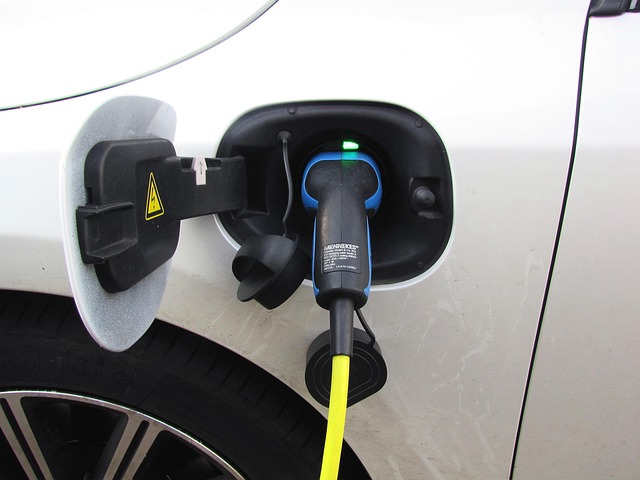
In today’s world of rising fuel costs, growing environmental awareness, and rapidly evolving car technology, more drivers than ever are turning to hybrid vehicles. But here’s the kicker: you don’t need to buy brand new to get the benefits. In fact, right now is one of the smartest times to buy a used hybrid vehicle—and here’s why.
1. Used Hybrids Are More Affordable Than Ever
As the hybrid market matures, more high-quality models are entering the used car space. Vehicles like the Toyota Prius, Honda Accord Hybrid, and Ford Escape Hybrid have been around long enough to depreciate in price, but not in value. That means you can now get a fuel-efficient, well-maintained hybrid at a fraction of the original sticker price.
Add to that the increased availability due to lease returns and trade-ins, and you’ve got a buyer’s market.
2. Save Big on Fuel Costs
Fuel prices are still unpredictable, and hybrid vehicles continue to offer one of the best returns in fuel efficiency. Even models that are 3–5 years old still get 40+ MPG, and with rising gas prices, the fuel savings can add up quickly.
If you drive frequently or commute long distances, a used hybrid could start paying for itself in fuel savings within months.
3. Proven Reliability
Many early hybrid skeptics feared battery failures and high maintenance costs—but time has proven otherwise. Modern hybrids, especially from manufacturers like Toyota and Honda, are extremely reliable, with many running well beyond 150,000 miles.
Plus, battery warranties often last 8–10 years, and battery replacement costs have dropped dramatically in recent years.
4. Better for the Planet (and Your Reputation)
Let’s face it—sustainability is more than a buzzword. Driving a hybrid vehicle helps lower your carbon footprint, which is something more and more people care about. It’s not just good for the planet; it’s also good for your public image, especially if you’re a small business owner or freelancer.
And if you care about the environment but aren’t ready to go fully electric, a hybrid is the perfect middle ground.
5. Great Trade-In Timing
With EVs and plug-in hybrids gaining popularity, now is a great time to trade in your gas-only vehicle while there’s still strong demand. Many dealers (including us!) are offering top dollar for used trade-ins as we shift our inventories toward hybrid and electric models.
Your old car may be worth more than you think—especially if it’s in good condition and has a clean service history.
Final Thoughts: Is a Used Hybrid Right for You?
If you’re looking to lower your fuel costs, reduce emissions, and drive a vehicle that’s both reliable and forward-thinking—a used hybrid is one of the smartest purchases you can make in 2025.
Whether you’re a first-time buyer, commuter, or just looking to upgrade without breaking the bank, now is the time to make your move.
Ready to test drive a hybrid?
Check out our current inventory of reliable, fuel-efficient used hybrid vehicles here online—or stop by the dealership today and we’ll help you find the perfect fit for your needs and budget.
When people think about rebuilt title cars, they usually focus on savings — and for good reason. But there’s another side to the story that’s just as important: sustainability.
At Summit Auto Sales, we don’t just sell quality rebuilt vehicles — we help reduce automotive waste and promote smarter use of resources. Here’s how rebuilt title dealerships are making a difference in the car market and contributing to a cleaner, greener future.
1. Keeping Vehicles Out of Landfills
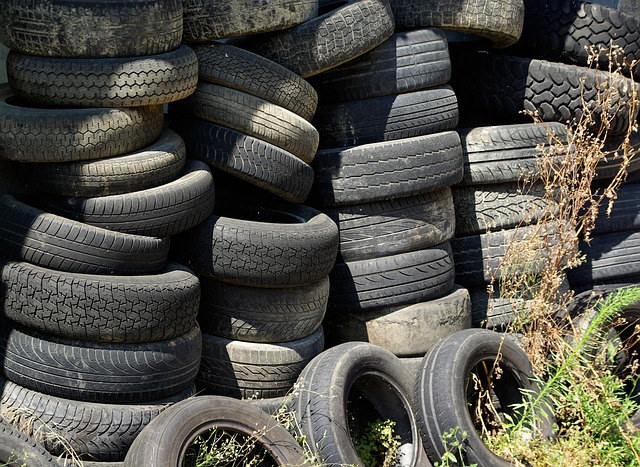
Every year, hundreds of thousands of vehicles are deemed “total losses” by insurance companies — even if the damage is repairable. Without rebuilt title programs, many of these cars would end up in junkyards or landfills, contributing to growing waste and environmental harm.
By carefully restoring these vehicles, rebuilt title dealerships give them a second life. This means fewer cars being scrapped and less steel, plastic, rubber, and hazardous fluids dumped into the environment.
2. Reducing the Demand for New Vehicle Production
Manufacturing a brand-new vehicle requires massive amounts of raw materials and energy — from mining metals to producing plastics and shipping parts around the globe. Every time a customer chooses a rebuilt car instead of buying new, they help reduce the environmental impact of new car production.
Think of it as recycling on a much larger scale: by restoring and reusing what’s already been made, rebuilt title dealers help cut down on emissions, energy usage, and resource depletion.
3. Salvaging Usable Parts and Materials
Rebuilding a vehicle doesn’t always mean replacing everything. In many cases, perfectly functional parts — such as engines, transmissions, or electrical systems — can be reused. This practice of responsible part reuse cuts down on unnecessary manufacturing and helps reduce automotive waste.
We also work with certified recyclers to ensure that any unusable materials are properly disposed of or recycled, keeping harmful substances out of landfills.
4. Promoting a More Affordable & Sustainable Car Market
Sustainability isn’t just about the environment — it’s also about making transportation more accessible. Rebuilt title dealerships offer affordable alternatives to new and even used cars, helping more people get behind the wheel without stretching their budget.
At the same time, customers get the satisfaction of knowing their purchase supports a more circular, eco-conscious economy, where value is created without excessive waste.
5. Educating Buyers on Smart, Sustainable Choices
A big part of what we do at Summit Auto Sales is helping customers understand the value of rebuilt cars — not just in dollars, but in environmental impact. By offering transparency and education, we empower people to make informed, eco-friendly buying decisions.
Whether it’s through detailed vehicle history reports, quality inspections, or conversations with our team, we make sure buyers feel confident that they’re making a responsible and sustainable choice.
Final Thoughts
Buying a rebuilt title car isn’t just a smart financial move — it’s a conscious decision to reduce waste and support a more sustainable auto industry. At Summit Auto Sales, we’re proud to be part of the solution.
If you’re interested in learning more about how our rebuilt vehicles are making a positive impact — or if you’re ready to find a reliable, eco-friendly ride — reach out to us today. Together, we can drive change, one car at a time.

If you’ve ever looked into buying a rebuilt title car, chances are you’ve heard a few horror stories. Maybe someone told you they’re unsafe. Or that they can’t be insured. Or that they’re impossible to sell. Sound familiar?
The truth is, rebuilt title vehicles can be a smart, reliable, and affordable option — but there’s a lot of misinformation out there. At Summit Auto Sales, we specialize in professionally rebuilt cars and want to clear the air. Here are the top 5 myths about rebuilt title cars — debunked.
Myth #1: Rebuilt Title Cars Are Always Unsafe
Truth: This is one of the most common misconceptions — and also one of the easiest to debunk.
Yes, a car with a rebuilt title was once damaged. But before it can be sold legally, it must undergo a strict inspection process by the state’s Department of Motor Vehicles or a licensed authority. At our dealership, we take it a step further by running every car through a comprehensive multi-point safety check. We don’t put anything on our lot we wouldn’t feel safe driving ourselves.
Myth #2: You Can’t Get Insurance for a Rebuilt Title Car
Truth: You absolutely can insure a rebuilt title car — but coverage may vary.
While some insurance companies may only offer liability coverage, others will provide full coverage, depending on the car and your location. It’s always smart to shop around and ask your provider directly. Many of our customers get full coverage with no issues — and we’re happy to guide you through the process if you’re unsure where to start.
Myth #3: Rebuilt Cars Always Have Hidden Problems
Truth: A rebuilt title car can be just as reliable as a clean title car — if it’s rebuilt properly.
The key is who did the work. At Summit Auto Sales, every rebuilt car comes with full repair documentation and has passed both our own inspection and state certification. We’re fully transparent about the vehicle’s history and condition — no hidden surprises.
Myth #4: They’re Impossible to Resell
Truth: Rebuilt cars have a smaller buyer pool, but they can definitely be resold — and often at great value.
Just like with any vehicle, resale depends on the condition, mileage, and demand. In fact, many buyers actively seek out rebuilt title vehicles for their lower price point and solid performance. We’ve even helped past customers trade in or sell rebuilt cars for excellent value when the time was right.
Myth #5: The Savings Aren’t Worth the Risk
Truth: For many buyers, the savings absolutely are worth it — especially when buying from a trustworthy source.
On average, rebuilt title vehicles cost 20% to 40% less than clean title counterparts. That can mean thousands in savings, especially for reliable makes and models. For students, families, or anyone looking for value without sacrificing quality, rebuilt title cars are a smart choice — when purchased from a reputable dealer.
Final Thoughts
Rebuilt title cars aren’t for everyone — but they’re not the risky gamble many people think they are either. When rebuilt professionally and sold by a trustworthy dealership, they offer great value, safety, and peace of mind.
At Summit Auto Sales, we stand behind every rebuilt car we sell. Want to see for yourself? Stop by for a test drive or contact us to learn more about how a rebuilt vehicle could be the perfect fit for your needs and your budget.

If you’re in the market for a new (or new-to-you) vehicle and you’re currently driving a car with a rebuilt title, you might be wondering: Will a dealership that sells rebuilt title cars accept mine as a trade-in? The answer is: yes, often they will — but there are a few key things you should know.
What Is a Rebuilt Title?
A rebuilt title is issued for a vehicle that was previously declared a total loss by an insurance company — often due to an accident, flood, or theft — but has since been repaired and inspected to meet roadworthiness standards. Once those repairs are complete and the vehicle passes a state inspection, it receives a rebuilt title indicating it’s legal to drive again.
Because of the vehicle’s history, rebuilt title cars usually come with lower price tags — and more caution from buyers and dealers alike.
Do Rebuilt Title Dealerships Accept Trade-Ins?
Most dealerships that specialize in rebuilt title cars understand the market and are open to accepting rebuilt vehicles as trade-ins. These dealerships often:
- Have access to mechanics who can assess the value and condition of rebuilt cars more accurately.
- Work with buyers who are more flexible about vehicle history in exchange for lower prices.
- Are equipped to resell rebuilt vehicles more easily than traditional dealers.
So if you’re looking to trade in a rebuilt car, a dealership that already sells rebuilt title cars is usually your best bet.
Factors That Influence Trade-In Value
While many rebuilt title dealerships will take your car as a trade-in, the value you get may vary depending on several factors:
- Quality of Repairs: Was your car repaired professionally, with documentation and receipts? A well-done rebuild holds more value.
- Inspection Reports: Recent safety inspections or third-party certifications can build confidence.
- Vehicle Age and Mileage: Like any used car, newer models with lower miles are worth more.
- Accident History: Even rebuilt cars vary in severity. A car totaled for minor damage (like hail or vandalism) is seen as more favorable than one recovered from a major collision.
- Current Market Demand: Some makes and models hold their value better, even with a rebuilt title.
Tips to Maximize Your Trade-In Offer
- Bring Documentation: Repair records, receipts, and inspection reports help prove your car’s reliability.
- Clean the Vehicle: A clean, well-maintained car makes a better impression.
- Be Honest: Disclose everything upfront — rebuilt title dealers are used to these situations and appreciate transparency.
- Get Multiple Quotes: Just like with any trade-in, it’s smart to shop around.
The Bottom Line
Yes — rebuilt title dealerships will often accept rebuilt cars as trade-ins. In fact, they’re usually more willing than traditional new car dealerships to work with vehicles that have branded titles. Just be prepared for the fact that the trade-in value will likely be lower than a clean title equivalent, and bring all the documentation you can to support the car’s value.
If you’re planning to buy another rebuilt car, trading in your current one can be a practical way to reduce the price while staying within the same niche market.
If you’re curious what your car is worth, come down to Summit Auto Sales in Pleasant Grove, Utah to find out first hand from our experts on site!
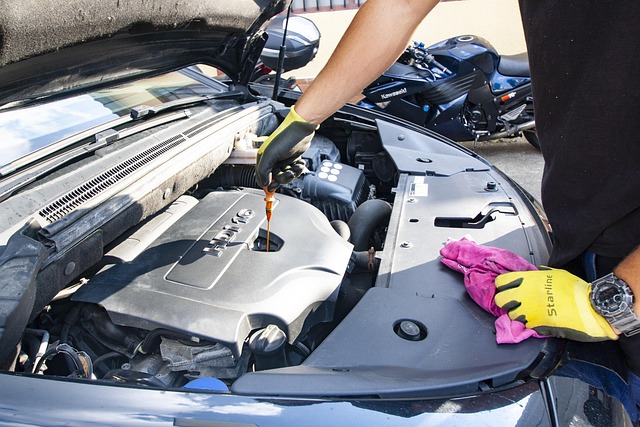
Buying a car with a rebuilt title can be a smart way to save money — but it also comes with risks. One of the biggest concerns? Whether the vehicle was repaired using quality parts. Since a rebuilt title means the car was previously declared a total loss, knowing how it was brought back to life is critical for long-term reliability and safety.
If you’re considering a rebuilt title car (or have already bought one), here’s how to tell if quality parts were used in the repair process:
1. Ask for Detailed Repair Records
A reputable rebuilder will document every step of the repair. Ask for:
- Parts invoices: Look for recognizable brands or OEM (Original Equipment Manufacturer) parts.
- Labor documentation: This shows who did the work and whether it was performed by certified technicians.
- Before and after photos: These can show the extent of the damage and the quality of repairs.
If the seller is hesitant to provide this documentation, consider it a red flag.
2. Look for OEM vs. Aftermarket Parts
OEM parts come directly from the car’s manufacturer and typically fit better and last longer than aftermarket alternatives. Here’s how to tell the difference:
- Brand markings: OEM parts will often have the carmaker’s logo or part number.
- Fit and finish: Poorly fitting body panels, uneven paint, or mismatched trim could indicate low-quality or salvaged parts.
That said, some high-quality aftermarket parts are perfectly acceptable — but the key is knowing the difference between those and the cheap knockoffs.
3. Get a Third-Party Inspection
Before buying, have a certified mechanic (preferably one experienced with collision repair) inspect the vehicle. They can:
- Check part numbers to verify OEM vs. aftermarket parts.
- Look for signs of cut corners, like missing fasteners or poorly welded sections.
- Scan for any active diagnostic trouble codes (DTCs) that could indicate electrical or sensor issues from subpar repairs.
Spending $100–$200 on an inspection can save you thousands down the line.
4. Use a VIN Check Service
Sites like Carfax, AutoCheck, or the National Motor Vehicle Title Information System (NMVTIS) can give you insight into:
- The severity of the original damage.
- Where the car was repaired.
- Whether any parts were recalled or flagged.
Some services even track whether a vehicle passed state inspections after it was rebuilt — a must for ensuring roadworthiness.
5. Ask Who Did the Repairs
If the seller or dealer tells you the car was rebuilt by a certified body shop, ask for the shop’s name. Then:
- Look up their reputation online (Google reviews, BBB, etc.).
- Call and ask about the repair job directly.
- Ask if the shop guarantees their work or offers any kind of parts warranty.
Shops with a good reputation rarely use poor-quality parts — their business depends on it.
6. Check for Warranty or Parts Guarantees
Even on a rebuilt title car, good rebuilders may offer:
- Short-term warranties on parts or labor.
- Manufacturer-backed warranties on OEM parts.
If your car came with any of these, it’s a strong signal that quality materials were used.
7. Trust Your Eyes (and Ears)
While it’s no substitute for a pro inspection, some visual and audible cues can help you judge build quality:
- Are body panels flush and consistent?
- Does the paint match across the entire car?
- Do doors, hood, and trunk open and close smoothly?
- Any odd rattles, squeaks, or warning lights?
If the car feels off, it may have been rebuilt on a budget.
Final Thoughts
Rebuilt title cars aren’t always bad — in fact, some are restored to near-new condition by skilled professionals. The key is transparency. Quality parts leave a paper trail, fit well, and often come from reputable sources. If you do your homework, ask the right questions, and bring in a professional when needed, you can find a solid rebuilt title vehicle that serves you well for years.

Planning a road trip is exciting—open roads, scenic stops, and the thrill of adventure. But if you own a car with a rebuilt title, you might be wondering: Is it safe to take this vehicle on a long-distance journey? The short answer is: Yes, rebuilt title cars can be safe for road trips—but only if you take the right precautions.
In this post, we’ll break down what a rebuilt title really means, the risks and benefits, and how to know if your car is road-trip ready.
What Is a Rebuilt Title?
Before a car gets a rebuilt title, it typically starts with a salvage title. That means the car was declared a total loss by an insurance company due to an accident, flood, theft, or other significant damage. However, if the car is later repaired and passes a rigorous state inspection, it can be rebranded with a rebuilt title, meaning it’s legal to drive again.
Can You Trust a Rebuilt Title Car on a Road Trip?
Yes—If It Was Properly Repaired
Not all rebuilt cars are equal. Some are brought back to life with professional repairs using quality parts. Others might be slapped together with the bare minimum to pass inspection. If your car falls into the first category—repaired by a certified mechanic, inspected thoroughly, and well maintained—it can be just as reliable as a clean-title car.
But if the car has a murky repair history or you’re unsure about the work that was done, it’s wise to be cautious.
Pros of Using a Rebuilt Title Car
- Lower upfront cost: You likely paid less for your rebuilt vehicle, which can free up funds for your trip.
- Legal to drive: Rebuilt title cars are inspected and registered like any other car.
- Environmentally friendly: Reusing and repairing cars reduces automotive waste.
Risks to Consider
- Hidden damage: Issues like frame damage or faulty electrical systems may not show up until the car is under stress—like a long drive in hot or hilly terrain.
- Insurance limitations: Some insurers offer limited or liability-only coverage for rebuilt vehicles.
- Resale value: While this doesn’t affect your road trip, keep in mind that rebuilt title cars typically have lower resale value.
Road Trip Safety Checklist for Rebuilt Cars
Before hitting the road, give your vehicle a full once-over. Here’s a checklist to guide you:
- Schedule a full inspection with a trusted mechanic.
- Check the tires for wear, pressure, and alignment.
- Test the battery, brakes, lights, and all fluids.
- Scan for error codes using an OBD2 scanner.
- Make sure the AC and cooling system work properly.
- Bring an emergency kit—jumper cables, tools, spare tire, jack, water, flashlight, and first-aid supplies.
Final Verdict
A rebuilt title car can be safe for road trips—if it’s been properly repaired, well maintained, and passes a thorough pre-trip inspection. Many drivers rely on rebuilt cars daily with no issues, and road-tripping in one is absolutely possible. Just be smart about it. Know your vehicle’s history, inspect it thoroughly, and plan ahead.
Remember: When it comes to long drives, peace of mind is everything. If your rebuilt title car gives you any doubts, get a mechanic’s opinion before you hit the road. Your adventure deserves a solid start.

So you’ve just scored a great deal on a rebuilt title car. Nice move—these vehicles can be a budget-friendly way to get behind the wheel, especially if you know what to look for. But now that the deal is done, your job isn’t over. Rebuilt cars often require a bit more TLC than standard vehicles. The good news? A few smart steps right now can help keep your rebuilt car reliable for years to come.
1. Start With a Detailed Inspection
Even if the car passed a state inspection to be deemed roadworthy, you should still take it to a trusted mechanic for a thorough post-purchase inspection. Ask for a bumper-to-bumper check, with special attention to:
- Frame integrity
- Electrical system
- Engine compression and performance
- Suspension and alignment
This gives you a clear idea of what’s solid—and what might need attention soon.
2. Get a Baseline Service Done
Set a fresh starting point by replacing all basic service items:
- Engine oil and filter
- Transmission fluid
- Coolant
- Brake fluid
- Spark plugs (if old or unknown)
- Cabin and air filters
This helps you avoid any surprises down the road and makes maintenance easier to track going forward.
3. Create a Maintenance Log
Documentation is everything—especially with a rebuilt vehicle. Keep a dedicated folder (physical or digital) with:
- All repair receipts
- Parts replaced
- Mileage at time of service
- Inspection reports
This log isn’t just useful for your own peace of mind—it can also help boost resale value later by showing consistent care.
4. Get to Know Its History
If you didn’t already get the full story before buying, now’s a good time to pull a Carfax or AutoCheck report. Knowing the type of damage the car sustained (flood, collision, theft recovery, etc.) can help you focus your attention on areas that may need more monitoring.
5. Use High-Quality Replacement Parts
Avoid bargain-basement parts. Rebuilt cars can be more sensitive to part quality, especially if they’ve had structural or mechanical damage in the past. OEM or trusted aftermarket brands are worth the extra investment.
6. Keep an Eye on Warning Signs
Pay closer attention to new sounds, smells, or dashboard lights than you might in a new car. Rebuilt vehicles can be more prone to early wear in certain systems, so early detection is key.
7. Avoid Hard Driving (At First)
Until you’ve put a few hundred miles on it and verified everything’s working as it should, avoid aggressive driving, towing, or off-roading. Let the car settle in and monitor performance under normal conditions.
8. Consider Extended Warranties Carefully
Most rebuilt cars won’t qualify for factory warranties—but some third-party companies offer extended coverage. Be sure to read the fine print, and only work with providers who are well-reviewed and financially stable.
9. Get Regular Alignments and Tire Rotations
If the car was in a prior accident, even minor misalignment issues can cause uneven tire wear and handling problems. Regular alignments and tire rotations (every 5,000–7,000 miles) can save you from bigger suspension costs later.
10. Drive It Often, But Responsibly
Letting any car sit for long periods isn’t great, but it’s especially bad for a rebuilt vehicle. Keep it in regular use to keep fluids flowing and the battery charged—but avoid unnecessary strain until you know it’s mechanically solid.
Final Thoughts:
Owning a rebuilt title car doesn’t have to be risky—if you treat it right. The key is staying proactive. With good maintenance habits and a close eye on performance, your rebuilt car can be just as dependable as a clean-title one—and a whole lot cheaper.
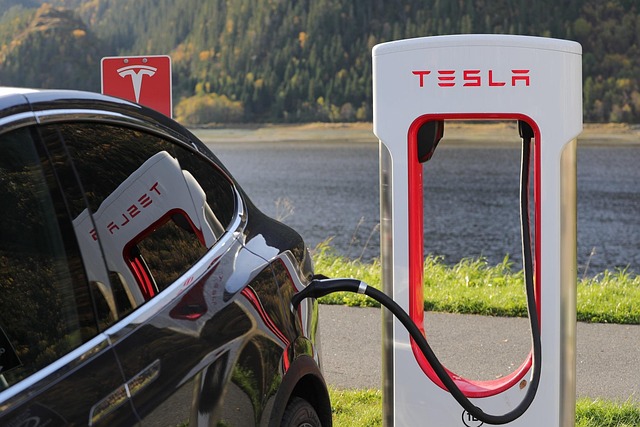
Here’s What You Need to Know Before Making the Switch to an EV in Utah
As electric vehicles (EVs) continue to grow in popularity across the U.S., many Utah drivers are wondering: Is an electric car a good fit for life in the Beehive State? With a unique mix of mountain roads, long commutes, and ever-changing weather conditions, Utah presents both opportunities and challenges for EV ownership.
In this post, we’ll explore the pros and cons of owning an electric vehicle in Utah—helping you decide if now is the right time to make the switch.
Pros of Owning an Electric Vehicle in Utah
1. Growing EV Charging Infrastructure
Utah has made significant investments in EV infrastructure in recent years. Public charging stations are popping up in Salt Lake City, Provo, Park City, St. George, and even in more remote areas near national parks. The Utah Department of Transportation and Rocky Mountain Power have partnered to expand fast-charging options along major travel corridors like I-15 and I-70.
2. Generous State and Federal Incentives
Utah residents may qualify for federal EV tax credits (up to $7,500) and, depending on the model, additional rebates or incentives from the state and local utility companies. For example, Rocky Mountain Power offers rebates for home EV charger installations.
These savings can significantly reduce the upfront cost of going electric.
3. Low Operating Costs
Electric vehicles are cheaper to run and maintain than gas-powered cars. Utahns with long daily commutes or frequent canyon drives will benefit from:
- Lower “fuel” costs (charging vs. gas)
- Fewer maintenance expenses (no oil changes, fewer moving parts)
Plus, electricity rates in Utah are relatively low compared to national averages, making home charging an affordable option.
4. Environmental Benefits
With Utah’s recurring air quality concerns—especially during winter inversions in the Salt Lake Valley—driving an EV can be part of the solution. Zero tailpipe emissions mean you’re contributing to cleaner air and a healthier environment for all Utahns.
Potential Challenges for EV Drivers in Utah
1. Range Anxiety on Long Road Trips
Utah is a big state with lots of open space. While most EVs now offer 200–300+ miles of range, road trips to places like Moab, Bryce Canyon, or Bear Lake can be stressful if charging stations are limited.
If you’re someone who frequently drives long distances off the beaten path, consider a model with extended range or a plug-in hybrid.
2. Cold Weather Performance
Winter in Utah can be harsh, especially in mountain towns like Park City or Logan. Cold temperatures can reduce an EV’s battery efficiency, cutting down your range. While newer EVs manage this better than older models, it’s still something to keep in mind for ski season or daily canyon commutes.
3. Home Charging Setup Required
If you live in a single-family home, installing a Level 2 charger in your garage is simple and cost-effective. But if you’re in an apartment or condo without dedicated parking or outlets, home charging becomes more complicated.
Some HOAs and landlords are starting to accommodate EVs, but availability varies widely.
Best Electric Vehicles for Utah Conditions
If you’re considering an EV in Utah, look for models with:
- All-Wheel Drive (AWD) for snow and mountain driving
- Extended battery range (250+ miles)
- Heated battery management systems for better cold-weather performance
Top options include:
- Tesla Model Y (AWD, great range, fast-charging network)
- Hyundai IONIQ 5
- Ford Mustang Mach-E
- Rivian R1S (for those who love rugged adventures)
- Subaru Solterra (for loyal Subaru fans who want to go electric)
Final Verdict: Is an EV Right for You in Utah?
Yes—if you have access to home charging, mostly drive in urban or suburban areas, and want to save on fuel while reducing emissions.
But—if you frequently travel long distances into rural areas, or face charging limitations at home, you may want to wait or consider a plug-in hybrid (PHEV) as a transitional step.
With infrastructure improving and more models hitting the market each year, Utah is quickly becoming EV-friendly. Whether you’re in Salt Lake City or Cedar City, it might be the right time to take the electric leap.