

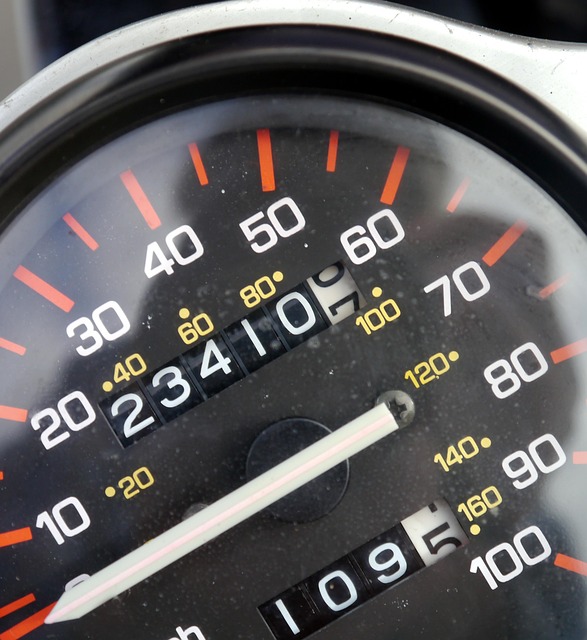
When it comes to buying a used car, one of the first things buyers check — right after the price — is the mileage. It’s a number that seems to speak volumes: high miles mean more wear, low miles mean a longer life… or so we think.
But how much does mileage really matter? Is a 100,000-mile car a red flag, or could it still be a smart purchase? Let’s break down the importance of mileage and what car buyers should truly consider before making a decision.
Why Mileage Matters — and When It Doesn’t
Mileage is often used as a shorthand for a vehicle’s overall health and future longevity. Generally, lower mileage suggests:
- Less wear and tear
- Fewer repairs (at least in the short term)
- Potentially higher resale value down the road
But here’s the twist: mileage alone doesn’t tell the whole story.
Condition and Maintenance Are Just as Important
A high-mileage car that’s been regularly serviced and responsibly driven can be more reliable than a low-mileage vehicle that’s been neglected. Key factors to consider include:
- Service history: Has the car received regular oil changes, brake checks, and tire rotations?
- Type of mileage: Highway miles are easier on a car than stop-and-go city driving.
- Previous ownership: One careful owner is better than three who didn’t care.
- Accident history: A lower-mileage car that’s been in a major crash could pose more risks than a higher-mileage one with a clean record.
Mileage Benchmarks to Keep in Mind
To give some context, here’s how mileage might affect a buyer’s perception:
- Under 30,000 miles: Like-new condition. Buyers expect to pay more, but also expect very few problems.
- 30,000–60,000 miles: Still considered relatively new, and major components are often under warranty or recently serviced.
- 60,000–100,000 miles: The “sweet spot” for many buyers — lower price, but often still very dependable with the right maintenance.
- 100,000–150,000 miles: Cautiously acceptable for well-maintained vehicles. Buyers will look closely at service history.
- 150,000+ miles: Best suited for budget-conscious buyers or those who know how to maintain cars themselves. Value matters more than longevity at this point.
Mileage Myths to Avoid
- Myth #1: Low mileage always means better quality
Not always — a rarely driven car might suffer from dry seals, rust, or battery problems from sitting unused. - Myth #2: High mileage cars aren’t worth buying
Plenty of vehicles can easily surpass 200,000 miles with proper care. Toyota, Honda, and some Ford and Chevy models are especially known for long lives. - Myth #3: Once a car hits 100,000 miles, it’s on its way out
Not true anymore. Modern cars are engineered to go the distance — especially if they’ve had consistent upkeep.
How Buyers Should Weigh Mileage in Their Decision
When shopping for a used car, consider mileage as one piece of a larger puzzle. Ask yourself:
- What’s the car’s age relative to the mileage?
- Has it been well maintained and serviced?
- Does the price reflect the mileage fairly?
- How long do I plan to keep it — and how many miles will I add?
A well-kept 110,000-mile car might be a smarter buy than a neglected 45,000-mile one — especially if you’re planning to drive it another 50,000 miles over the next few years.
Final Thoughts
Mileage matters, but it shouldn’t be the sole deal-breaker. Think of it as a useful guidepost, not a verdict. The smartest car buyers look at the full picture — condition, service records, ownership history, and how the car drives today.
In the end, it’s not just about how far the car has gone — it’s about how well it’s been cared for along the way.